
In a sealed room, CO2 levels are your best comfort clue because they respond quickly to occupancy and ventilation changes, offering real-time insight into air quality. Elevated CO2 indicates poor air exchange, which can cause stuffiness, headaches, and fatigue. By monitoring CO2, you can easily identify when to improve ventilation and maintain a healthier, more comfortable environment. If you want to find out how to optimize your space, keep exploring the details.
Open a free Amazon Business account
Business pricing, bulk buying and tax-exempt orders.
As an affiliate, we earn on qualifying purchases.
Key Takeaways
- CO2 levels quickly reflect occupancy and ventilation efficiency, providing immediate insight into air quality.
- Elevated CO2 indicates poor air exchange, directly linking to occupant discomfort and potential health issues.
- Monitoring CO2 allows for real-time adjustments, maintaining optimal indoor comfort and preventing stuffiness.
- CO2 thresholds serve as objective, measurable indicators for when ventilation is needed.
- As a reliable, direct measure, CO2 offers a practical and effective clue to indoor comfort in sealed environments.

When a room is sealed tightly, monitoring carbon dioxide (CO2) levels becomes one of the most reliable ways to gauge comfort. In such environments, air quality directly impacts how comfortable you feel. Unlike other indicators, CO2 levels respond quickly to changes in occupancy and ventilation, making them an effective measure of occupant comfort. When people breathe, they exhale CO2, so the concentration of this gas in a sealed space reflects how many individuals are inside and how well the space is ventilated. If the CO2 levels rise too high, it indicates poor air exchange, which can lead to stuffiness, headaches, and a decline in overall comfort.
You might not realize it, but elevated CO2 levels can influence your perception of air quality. When CO2 accumulates, it often accompanies other indoor pollutants, like volatile organic compounds (VOCs) or dust, which further diminish air quality. As these pollutants gather, your environment becomes less pleasant, and your body signals discomfort. This discomfort isn’t just about smell; it’s about the overall feeling of stuffiness, fatigue, or difficulty concentrating. By monitoring CO2, you gain a direct insight into the air quality and can take actions to improve it, such as increasing ventilation or opening windows.
Additionally, using CO2 levels as a real-time indicator allows for quick adjustments to maintain optimal indoor conditions. Occupant comfort hinges on maintaining a balance in indoor air quality. CO2 levels serve as a real-time proxy for this balance. When levels stay low, you feel fresher, more alert, and less prone to headaches or drowsiness. Conversely, if CO2 concentrations climb above recommended thresholds—typically around 800 to 1,000 parts per million—it’s a clear sign that the air needs to be refreshed. This simple measurement helps you avoid discomfort caused by stale air and ensures that the environment remains healthy and inviting.
Furthermore, understanding the relationship between CO2 levels and ventilation plays a critical role in designing healthier indoor spaces, especially in environments where proper airflow is essential. Using CO2 as an indicator is practical and efficient. You don’t have to rely solely on subjective feelings or guesswork; you can measure and respond accordingly. In tightly sealed rooms, where natural ventilation is limited, keeping an eye on CO2 levels becomes even more critical. It provides a tangible, immediate signal that your air quality is deteriorating and that occupant comfort is at risk. A CO2 monitor can be a worthwhile investment to help maintain proper ventilation and health standards. By addressing high CO2 levels quickly, you maintain a healthier, more comfortable environment, making sure that air quality supports rather than undermines your well-being.
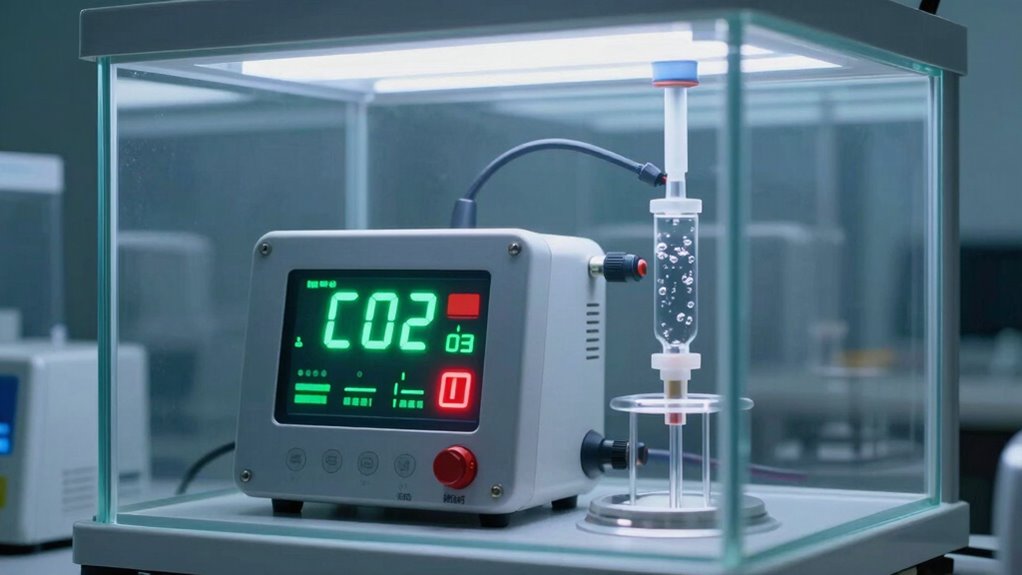
CO2 monitor for indoor air quality
As an affiliate, we earn on qualifying purchases.
As an affiliate, we earn on qualifying purchases.
Frequently Asked Questions
Can CO2 Levels Indicate Air Quality Beyond Comfort?
Yes, CO2 levels can indicate air quality beyond comfort. Elevated indoor CO2 suggests poor ventilation, which can lead to increased air pollution from indoor sources like furniture or cooking. When CO2 rises, it signals that indoor air isn’t circulating well, raising concerns about pollutants and potential health impacts. Monitoring CO2 helps you improve indoor ventilation, reducing air pollution and ensuring healthier, cleaner air in your space.
How Quickly Does CO2 Concentration Change in a Sealed Room?
Ironically, CO2 levels can spike rapidly in a sealed room, often within minutes, depending on ventilation patterns and how many people are inside. As you breathe, your body absorbs oxygen and releases CO2, causing concentrations to rise quickly if there’s no fresh air intake. Without proper ventilation, CO2 accumulates swiftly, serving as a real-time indicator of air quality deterioration, even in a seemingly airtight space.
Is CO2 Measurement Safe Without Specialized Equipment?
Measuring CO2 levels without specialized equipment isn’t very safe or reliable, as it requires specific sensors to accurately assess air quality. Using makeshift methods can lead to safety concerns, since high CO2 concentrations pose health risks and might go unnoticed. To guarantee safety, you should use proper CO2 monitors, especially in sealed rooms, where air quality can deteriorate quickly without proper ventilation.
Can Plants Reduce CO2 Levels Effectively Indoors?
Plants can help reduce indoor CO2 levels through their natural process of photosynthesis, especially when they’re healthy and have ample light. However, their effectiveness depends on plant growth and the number of plants you have. Relying solely on plants isn’t enough; proper indoor ventilation is essential to maintain safe CO2 levels. Combining plant growth with good ventilation ensures a healthier, more comfortable environment inside your sealed room.
What Are the Limitations of Using CO2 as a Comfort Indicator?
You might worry that CO2 levels alone don’t tell the full story of comfort, but they do reveal vital indoor airflow issues. However, relying solely on CO2 as a comfort indicator has limitations; it doesn’t account for humidity, temperature, or pollutants. To optimize your space, combine CO2 monitoring with effective ventilation strategies, ensuring fresh air circulation and overall comfort. Don’t let overlooked factors compromise your indoor environment.
Conclusion
So, next time you find yourself in a sealed room, remember that CO2 levels aren’t just numbers—they’re your silent compass to comfort. Like a whispering friend, they tell you when fresh air is needed before discomfort sneaks in. In this quiet symphony of gases, CO2 becomes the most honest clue, guiding you back to breathability. Trust it, and you’ll always find your way back to comfort amid the silence.
Fall yard work Picks
leaf blowers
As an affiliate, we earn on qualifying purchases.