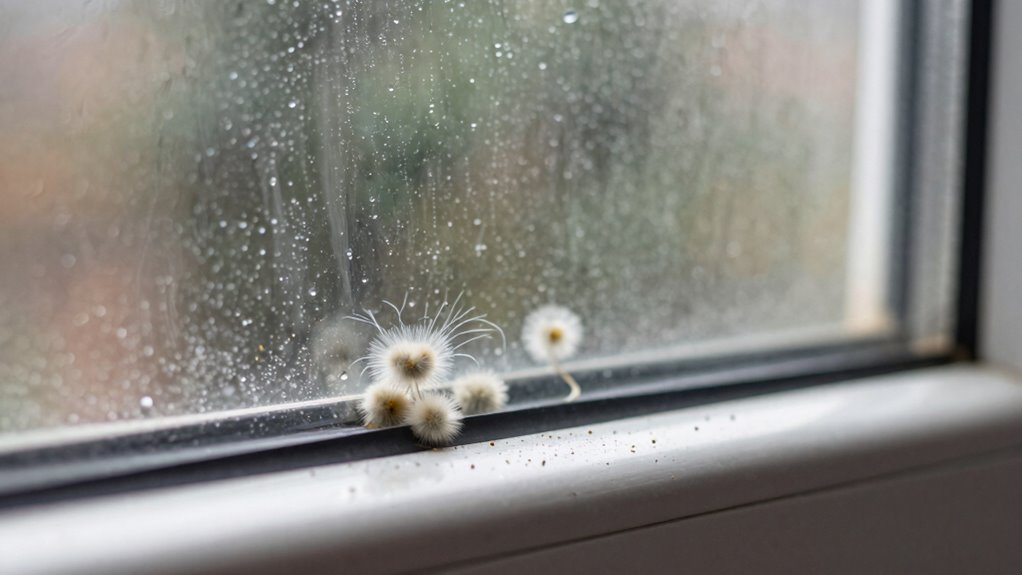
When it rains, it quickly washes away pollen and mold spores from the outdoor air, providing some relief. But outdoors, allergens can settle on surfaces or be stirred up again once the rain stops, especially with wind. Inside, humidity levels rise, which can encourage mold growth and trap dust mites. Keeping windows closed and using air purifiers helps manage indoor air quality. If you want to get a clearer picture, there’s more to uncover.

Get garden gear delivered free — and shop member deals
- Fast, free delivery on millions of items
- Access to Prime Big Deal Days deals on October 6–7
- Prime Video, Amazon Music and more included
Key Takeaways
- Rain washes pollen and mold spores from outdoor air, temporarily reducing outdoor allergen levels.
- Indoor humidity rises after rain, promoting mold growth and increasing indoor allergen concentrations.
- Moisture from rain can seep indoors, creating new mold growth and potential allergy triggers.
- Closing windows and using air purifiers help prevent outdoor allergens from entering indoor spaces.
- Managing indoor humidity with ventilation and dehumidifiers helps control mold and allergen buildup during rainy days.
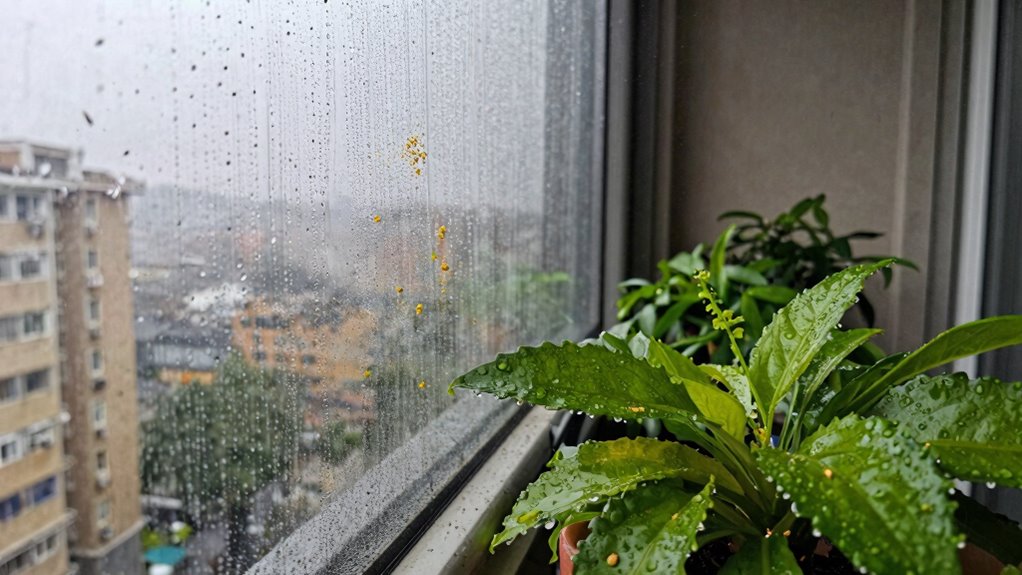
Rain markedly impacts the levels of pollen, mold, and indoor air quality, often bringing both relief and challenges. When rain falls, it can wash away pollen particles and mold spores from the air, providing immediate relief for allergy sufferers. You might notice fewer allergy triggers outdoors right after a downpour, making breathing easier and reducing sneezing or itchy eyes. However, this temporary relief can be deceptive because rain doesn’t eliminate all airborne allergens. Pollen can settle on surfaces or be stirred up again once the rain stops, especially if winds pick up. Mold, which thrives in damp environments, can sometimes increase indoors if water seeps into your home’s walls or carpets, creating new allergy triggers that are harder to detect and remove.
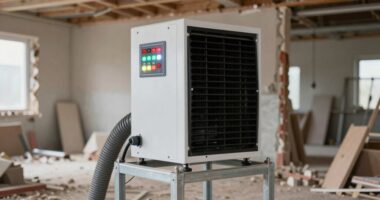
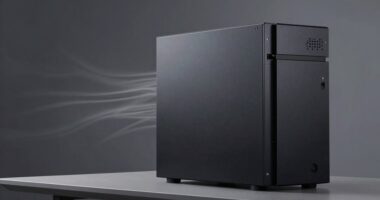
Rain influences indoor air quality considerably. As rain pours, it often leads to increased humidity levels inside, which can compromise air purification efforts. Elevated humidity encourages mold growth and can trap dust mites, another common allergy trigger. If your indoor environment isn’t well-ventilated, these conditions can persist long after the rain ends, making it harder to maintain healthy indoor air. You might find yourself needing to run dehumidifiers or air purifiers more frequently to combat the dampness and keep allergens at bay. Air purification devices help filter out residual pollen, mold spores, and other airborne irritants, but their effectiveness depends on proper maintenance and placement, especially during humid weather. Additionally, understanding indoor air quality can help you better manage your environment during such conditions. Regularly monitoring indoor humidity levels can also aid in preventing mold proliferation. Controlling moisture sources is essential for maintaining a healthy home environment, particularly in rainy seasons.
For allergy sufferers, rain can be both a blessing and a curse. While outdoor pollen levels drop temporarily, indoor allergen levels can rise if moisture isn’t controlled. You need to be proactive—keep windows closed during and after rain, run air purifiers, and address any potential water leaks to prevent mold growth. Ventilating your home helps reduce indoor humidity, but avoid letting in rainwater that might carry additional mold spores or pollutants. Remember, rain doesn’t eliminate the allergens completely; it simply redistributes or temporarily suppresses their presence. To truly manage your allergies and improve indoor air quality, focus on ongoing air purification strategies and controlling moisture sources, especially during rainy days when indoor mold and dust mites can become more problematic. Proper ventilation is crucial to mitigate moisture buildup and maintain a healthier indoor environment during rainy periods.
air purifier for mold and pollen
As an affiliate, we earn on qualifying purchases.
As an affiliate, we earn on qualifying purchases.
Frequently Asked Questions
Does Rain Increase Indoor Allergen Levels Immediately?
Yes, rain can increase indoor allergen levels immediately. When it rains, airborne particles like pollen and mold spores get stirred up and can easily enter your home, especially if windows or doors are open. Additionally, rain boosts indoor humidity, creating a perfect environment for mold growth. This combination can lead to higher allergen levels indoors right after a rainstorm, making your allergy symptoms worse.
Can Rain Worsen Allergy Symptoms Despite Washing Pollen Away?
Yes, rain can worsen allergy symptoms despite washing pollen away. Heavy rainfall causes pollen dispersal in the air, spreading allergens more widely. Plus, the moisture promotes mold growth indoors and outdoors, which can trigger allergies. Even after rain, lingering pollen and mold spores may stay airborne or settle inside your home. So, while rain temporarily clears pollen, the subsequent increase in mold and dispersal can make allergy symptoms worse.
How Long Do Rain Effects on Indoor Air Last?
Rain effects on indoor air usually last 24 to 48 hours. During this time, humidity fluctuations and increased soil moisture can reduce airborne pollen and mold, improving air quality. However, once the humidity drops, allergens may return. Keep windows closed after rain and use dehumidifiers to maintain consistent indoor humidity levels, preventing allergens from lingering and ensuring cleaner indoor air for a longer period.
Do Different Rainfall Amounts Affect Allergens Differently?
Yes, different rainfall amounts impact allergens differently. Heavy rainfall can profoundly reduce pollen and mold spores by washing them out of the air, leading to decreased allergen levels. Conversely, light rain or drizzle might cause less reduction or even temporarily increase indoor allergens by causing dust and spores to become airborne. The rainfall impact influences allergen variation, so sustained heavy rain generally offers more relief from allergy symptoms.
Is There a Specific Time After Rain When Allergens Peak?
After rain, you’ll notice post-rain pollen and mold surges usually peak within a few hours to a day, especially with high humidity impact. The moisture stimulates mold growth and releases pollen into the air. As humidity drops and the weather clears, allergen levels tend to decrease. So, if you’re sensitive, it’s best to be cautious during this window, as allergens are likely at their highest right after rain.
Conclusion
So, next time rain pours down, think of it as nature’s cleaning crew, washing away pollen and mold like dirt off a window. I once watched a storm clear the air after a long allergy season, instantly making the world feel cleaner and brighter. Just as rain refreshes the earth, it also clears your indoor air, giving you relief and a gust of fresh life. Embrace the rain’s magic—your lungs will thank you.
Fall Picks
fall essentials
As an affiliate, we earn on qualifying purchases.