When choosing a HEPA vacuum, the sealed-system design is the key to whether it truly improves air quality. A well-sealed chamber prevents dust and allergens from escaping during cleaning, ensuring all air passes through the filter. Without proper sealing, even labeled HEPA vacuums can release allergens back into your space, reducing their effectiveness. To get the most out of HEPA filtration, understanding the importance of a sealed system is essential—keep going to uncover more details.
Key Takeaways
- The effectiveness of a HEPA vacuum depends on its sealed-system, preventing dust and allergens from escaping during operation.
- Proper sealing ensures all air passes through the HEPA filter, maximizing allergen removal and filtration efficiency.
- Gaps or cracks in the vacuum’s structure compromise its ability to contain allergens, reducing health benefits.
- Sealed systems are especially vital for allergy and asthma sufferers to minimize allergen re-exposure.
- A vacuum labeled HEPA is only as effective as its sealed system; without it, the filtration performance is significantly diminished.
Have you ever wondered how to effectively reduce allergens and dust in your home? If so, investing in a HEPA vacuum could be just what you need. HEPA vacuums are celebrated for their ability to trap tiny particles, making them a popular choice for allergy sufferers and anyone aiming for a cleaner, healthier living environment. But not all HEPA vacuums are created equal. The key factor that determines whether a vacuum truly delivers on its promise is its sealed-system design. Without a proper sealed system, even a vacuum labeled as “HEPA” might not perform efficiently. This is because air filtration and allergen removal depend heavily on ensuring that dust and allergens don’t escape back into your living space during the cleaning process.
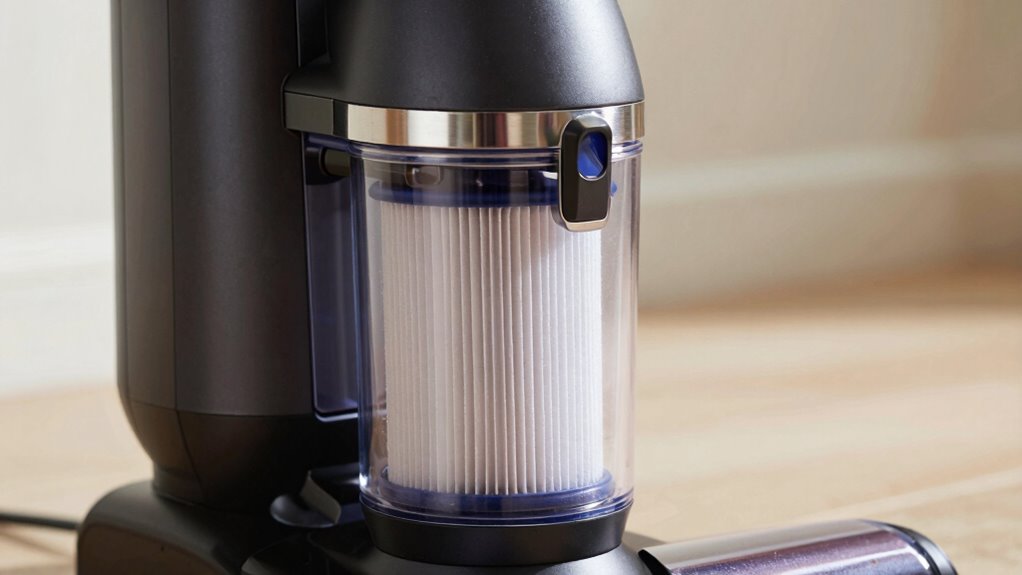
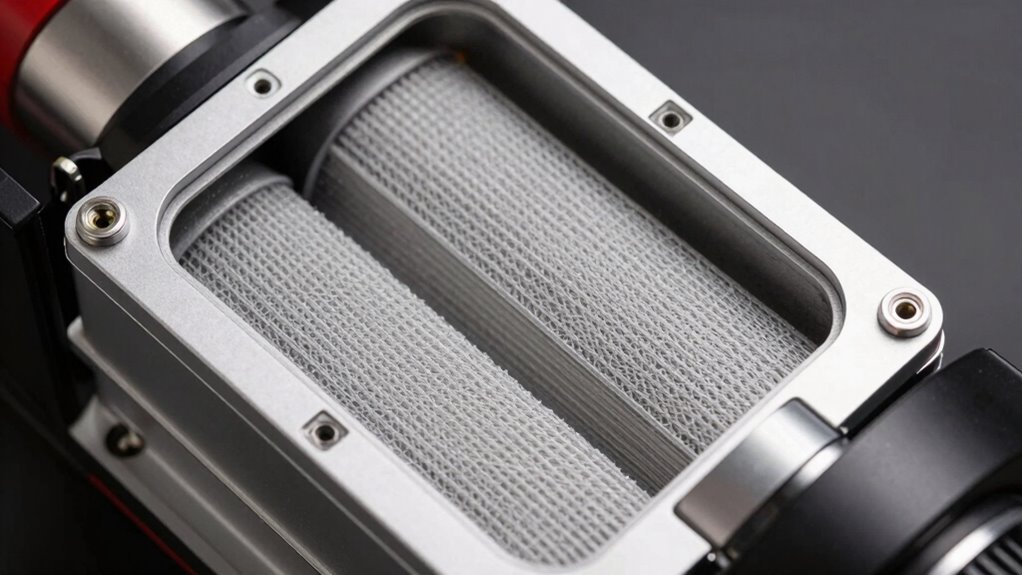
When you use a HEPA vacuum with a well-designed sealed system, you maximize the efficiency of air filtration. The sealed system prevents unfiltered air from bypassing the filter and escaping back into the room. Instead, all air drawn in by the vacuum passes through the HEPA filter, capturing 99.97% of particles as small as 0.3 microns. This includes common allergens like pollen, pet dander, mold spores, and dust mites. Properly sealed systems also contribute to overall air quality, ensuring that contaminants are effectively contained. If the vacuum isn’t sealed properly, these allergens can leak out through gaps and cracks, reducing its effectiveness. That’s why it’s essential to choose a model with a sturdy, well-sealed chamber that keeps the airflow contained.
Effective allergen removal isn’t just about the filter itself; it’s about the entire system working together seamlessly. When you operate a HEPA vacuum with a sealed design, you’re ensuring that allergens are captured and contained within the vacuum rather than being released back into the environment. This makes a significant difference if you or someone in your home suffers from allergies or asthma. You’ll notice cleaner air and fewer allergy flare-ups over time. Additionally, a sealed system helps reduce overall dust buildup, leading to a more hygienic home.
Frequently Asked Questions
How Often Should I Replace HEPA Filters in My Vacuum?
You should replace your HEPA filter every 6 to 12 months, depending on filter lifespan and usage. Regular replacement guarantees peak filtration and air quality. Check your vacuum’s manual for specific recommendations, as high use or allergies may require more frequent changes. Keep an eye on performance; if suction drops or odors persist, it’s time for a new filter. Proper maintenance keeps your vacuum working efficiently and protects your health.
Are HEPA Vacuums Suitable for Allergy Sufferers?
Think of a HEPA vacuum as your modern-day knight in shining armor; it’s perfect for allergy sufferers. It traps tiny particles, improving air quality and providing allergy relief. If you’re sensitive to dust, pollen, or pet dander, a HEPA vacuum helps keep your environment cleaner and healthier. Just make certain the vacuum has a sealed system to maximize filtration efficiency, so you breathe easier and reduce allergy symptoms.
What Maintenance Is Required for Sealed-System HEPA Vacuums?
You need to regularly check the seal integrity of your sealed-system HEPA vacuum to guarantee it’s airtight. Replace filters as recommended by the manufacturer, typically when they are visibly dirty or after a certain usage period. This maintenance keeps the vacuum’s performance ideal, prevents allergen leaks, and ensures the HEPA filtration system continues to trap tiny particles effectively. Proper upkeep prolongs your vacuum’s lifespan and maintains its allergy-fighting benefits.
Can HEPA Vacuums Remove Airborne Viruses Effectively?
Yes, HEPA vacuums can effectively remove airborne viruses when they have proper HEPA filtration efficacy. You’ll want to guarantee your vacuum’s system is sealed, preventing leaks that could release contaminated air. A sealed-system HEPA vacuum traps tiny virus particles, reducing airborne virus levels in your space. Regular maintenance keeps the filtration system working at its best, so you can trust it to improve air quality and help protect your health.
Do HEPA Vacuums Work Well on All Floor Types?
Did you know that HEPA vacuums work on over 90% of floor types? You’ll find they handle tile surfaces effortlessly, while carpets may need more powerful models for deep cleaning. Check your vacuum’s floor compatibility before buying, as some HEPA models excel on hard floors but struggle with plush carpets. With the right choice, you get effective dust and allergen removal on any surface you’ve got at home.
Conclusion
Think of a HEPA vacuum as a fortress for your home, with the sealed system being its unbreakable wall. If the seal isn’t tight, allergens and dust escape, making the “HEPA” label meaningless. So, when you’re choosing a vacuum, make certain that sealed system is intact—otherwise, you’re just sweeping dirt under the rug. A true HEPA vacuum is your strongest ally in keeping your air pure and your space healthier.