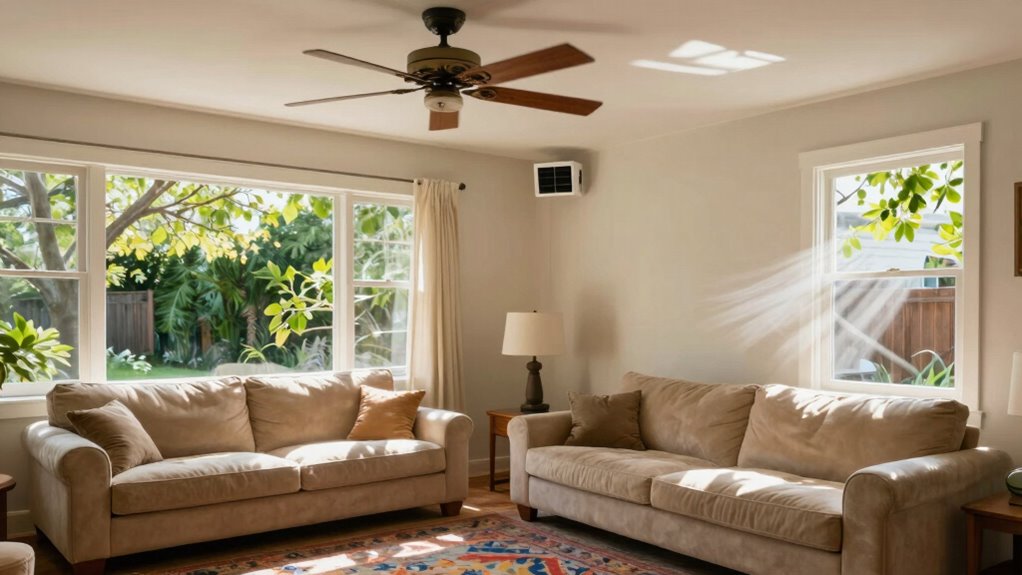
Whole-house fans help by cooling your home naturally during cooler evenings or mornings, pulling in fresh outdoor air and exhaust hot indoor air. They save energy and lower bills when used in suitable conditions. However, they backfire on hot, humid or polluted days, trapping heat and pollutants inside. External weather markedly impacts their effectiveness. Stay tuned to learn how to maximize their benefits and avoid the pitfalls that can turn them into a costly mistake.
Listen free for 30 days with Audible
Thousands of audiobooks and originals — cancel anytime.
As an affiliate, we earn on qualifying purchases.
Key Takeaways
- Whole-house fans are most effective when outdoor air is cooler than indoor air, typically during evenings or mornings.
- They help reduce indoor humidity and pollutants by promoting natural ventilation and fresh air intake.
- In hot, humid conditions, these fans can backfire by raising indoor temperatures and circulating allergens or pollutants.
- Proper installation and maintenance minimize noise and ensure the fan operates safely and efficiently.
- External weather conditions, like high outdoor temperatures or pollution, can diminish the cooling benefits of whole-house fans.
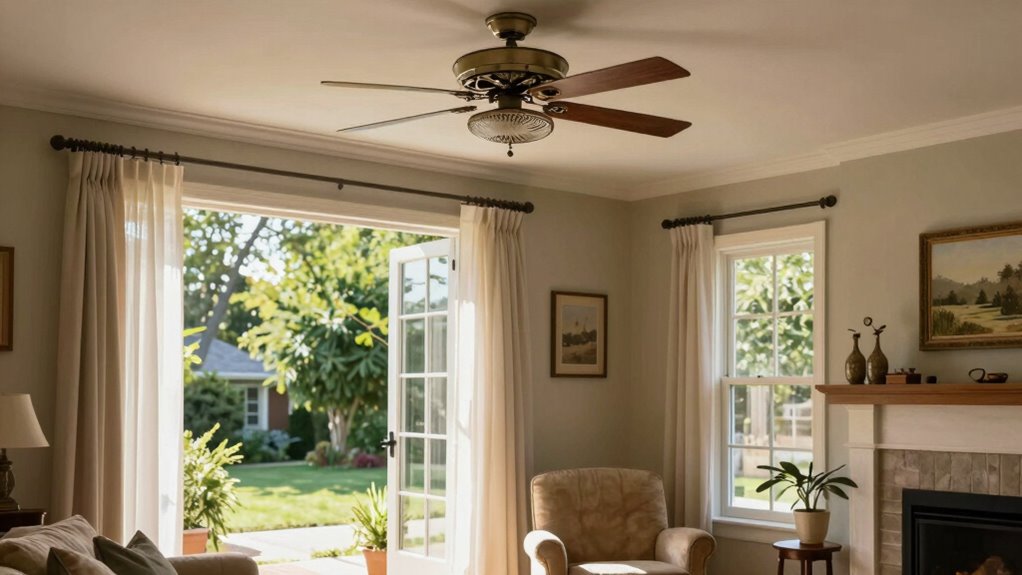
Have you ever contemplated a simple way to cool your home without relying on air conditioning? Whole-house fans could be just what you need. These fans are installed in your attic and work by pulling cool outdoor air into your home through open windows, then exhausting warm indoor air through attic vents. The idea is to create a natural, energy-efficient cooling process that can considerably reduce your dependence on air conditioning. When used correctly, whole-house fans can lower your energy bills and minimize your carbon footprint, making them an appealing choice for eco-conscious homeowners.
However, it’s important to understand when whole-house fans truly help and when they might backfire. One key factor is energy efficiency. On cooler evenings or mornings, these fans can be highly effective, replacing the need for air conditioning and cutting your energy consumption. They work best when the outdoor air is cooler than the indoor air, so you can open windows to let in fresh, cool air while the fan circulates it through your home. This natural ventilation not only saves energy but also improves indoor air quality by flushing out indoor pollutants and humidity.
That said, noise levels are a concern for some homeowners. Whole-house fans can be loud, especially if they’re older or not properly maintained. The noise might disturb your sleep or daily activities, which can make the fan seem more like a nuisance than a benefit. Fortunately, newer models tend to be quieter, and proper installation can help minimize noise. If you’re sensitive to sound, it’s worth researching quieter options or considering when to run the fan to avoid disturbances.
Another point to contemplate is weather and climate. Whole-house fans backfire if used during hot, humid days or if outdoor air is polluted or allergenic. In such conditions, pulling outdoor air into the house can increase indoor temperatures or introduce allergens, making your home less comfortable and potentially worsening air quality. They’re also ineffective during very hot days when outdoor temperatures stay high overnight, as the fan will simply bring in warm air rather than cool it down. Additionally, understanding fan safety considerations and proper maintenance can ensure you get the most benefit while avoiding potential issues.
As an affiliate, we earn on qualifying purchases.
Frequently Asked Questions
How Much Do Whole-House Fans Typically Cost to Install?
A whole-house fan usually costs between $1,000 and $3,000 to install, depending on your home’s size and the complexity of the installation process. You should consider cost considerations like labor, materials, and any necessary upgrades. During installation, a professional assesses your attic and wiring, ensuring the fan fits properly. While the initial expense might seem high, a well-installed fan can save you money on cooling costs over time.
Are Whole-House Fans Energy-Efficient Compared to Air Conditioning?
Ironically, a whole-house fan may seem less energy-efficient than air conditioning, but it actually offers notable energy savings. You can cool your home with less electricity, reducing your environmental impact. While A/C runs continuously, a fan uses much less power, especially if you use it during cooler evenings. So, if you’re after an eco-friendly way to cut costs and minimize environmental harm, a whole-house fan might be your best bet.
Can Whole-House Fans Be Used Year-Round?
You can use whole-house fans year-round, but seasonal usage depends on your climate. In mild to cool weather, they help with ventilation and air quality. However, in colder or very humid climates, they might backfire by letting in unwanted outdoor air or heat. Consider your local climate considerations carefully, and use them mainly during seasons when outdoor air is comfortable and helps reduce energy costs.
What Maintenance Is Required for a Whole-House Fan?
Think of your fan like a car needing regular tune-ups. You should check the fan blades for dust and debris, ensuring they spin smoothly, and lubricate the motor annually to prevent squeaks. Neglecting fan blade maintenance and motor lubrication can cause noise and reduce efficiency, just like a car struggling on the road. Regular upkeep keeps your whole-house fan running quietly and effectively year-round.
Are There Safety Concerns With Using Whole-House Fans?
Yes, there are safety concerns when using whole-house fans. You should watch out for fire hazards, especially if vents or wiring are damaged or blocked. Also, guarantee electrical safety by having a qualified electrician inspect the wiring regularly to prevent electrical fires or shocks. Always follow manufacturer instructions, keep vents clear, and never operate the fan if you notice any electrical issues to stay safe.
Conclusion
So, next time you’re considering a whole-house fan, remember that a cool breeze might just be the perfect coincidence to save you energy and money. When the weather’s just right, and your house is ready to breathe, it can work wonders. But if conditions aren’t ideal, that same fan could backfire. Keep an eye on the forecast—and maybe, just maybe, you’ll catch that perfect moment where everything aligns.
Flea & tick season Picks
flea and tick prevention
As an affiliate, we earn on qualifying purchases.