Smoke particles and smoke odor are different problems requiring different fixes. For particles like soot and ash, use high-quality air purifiers with HEPA filters and seal cracks to prevent infiltration. To tackle smoke odor, focus on odor absorbers like activated charcoal, deep cleaning porous materials, and improving ventilation. Each approach targets specific issues, so understanding which one you face helps you choose the right method. Keep exploring to discover more effective ways to clear your space.

Get garden gear delivered free — and shop member deals
- Fast, free delivery on millions of items
- Access to Prime Big Deal Days deals on October 6–7
- Prime Video, Amazon Music and more included
Key Takeaways
- Smoke particles are microscopic residues that require HEPA filters and sealing to remove effectively.
- Smoke odor is caused by gaseous chemicals absorbed into porous materials, needing odor absorbers like charcoal.
- Air filtration targets tiny particles, while odor removal focuses on chemical absorption and cleaning porous surfaces.
- Combining ventilation, deep cleaning, and specialized filters provides the most comprehensive smoke cleanup.
- Different strategies are needed for particles versus odors, so identify the problem to choose the appropriate solution.
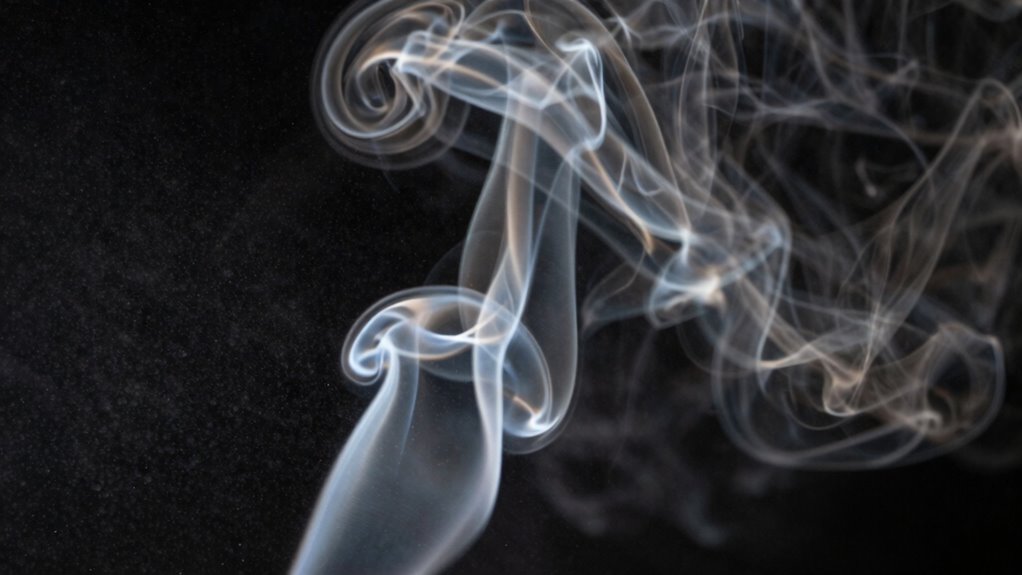
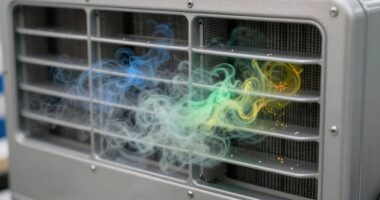
When dealing with smoke in your home, understanding the difference between smoke particles and smoke odor is essential. Smoke particles are tiny, solid residues that float through the air after a fire or smoking activity, while smoke odor is the lingering smell caused by gaseous compounds and chemicals that stick around even after the visible particles clear. Addressing these issues requires different strategies, and knowing which approach to take can make a significant difference in restoring your home’s air quality.
Understanding the difference between smoke particles and odor is key to effective cleanup.
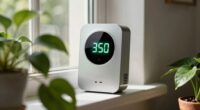
If you’re trying to eliminate smoke particles, air filtration becomes your best weapon. High-quality air purifiers equipped with HEPA filters are designed to trap these microscopic particles, removing them from the air you breathe. HEPA filters can capture particles as small as 0.3 microns, effectively reducing soot, ash, and other residual debris. Regularly replacing or maintaining your air filtration systems ensures they operate at peak efficiency, preventing these particles from settling on surfaces or being inhaled. In addition to air filtration, sealing cracks and vents can prevent new smoke particles from entering, especially if you’re dealing with ongoing sources like smoking or nearby fires.
When it comes to smoke odor, the challenge is different. Gaseous compounds responsible for the smell are often absorbed into porous materials like furniture, curtains, and walls. Simply filtering the air won’t fully remove these odors. Instead, odor absorption techniques are necessary. Activated charcoal or carbon filters work well because they can adsorb the smell-causing molecules, trapping them within their porous surfaces. Using odor absorbers in conjunction with proper ventilation can greatly improve indoor air quality. You might also consider professional cleaning or ozone treatments for stubborn odors, but these should be used carefully to avoid any health risks.
Understanding that smoke particles and smoke odor are separate problems helps you target your efforts more effectively. For smoke particles, focus on air filtration and sealing your home to prevent further infiltration. For smoke odor, prioritize odor absorption methods, deep cleaning, and ventilation to neutralize the smell. Sometimes, you’ll need to combine these approaches for thorough results—air filtration to clear particles and odor absorption to tackle the smell.
In the end, addressing smoke issues isn’t just about cleaning surfaces; it’s about managing the microscopic particles and chemical smells that linger in the air. By understanding the differences and applying the right solutions, you can restore your home’s fresh, clean environment and breathe easier once again. Additionally, utilizing advanced filtration technology can further enhance your efforts by ensuring more efficient removal of both particles and chemical odors.
HEPA air purifier for smoke particles
As an affiliate, we earn on qualifying purchases.
As an affiliate, we earn on qualifying purchases.
Frequently Asked Questions
Can Smoke Particles Cause Health Problems Beyond Irritation?
Yes, smoke particles can cause health problems beyond irritation. When you’re exposed to secondhand smoke, these tiny particles can settle deep in your lungs, affecting your respiratory health over time. Prolonged or frequent exposure increases your risk of respiratory issues, asthma, and even cardiovascular problems. It’s important to reduce your exposure and guarantee proper ventilation to safeguard your health from the harmful effects of smoke particles.
How Long Does Smoke Odor Typically Linger in a Home?
The lingering smoke odor can stick around for what feels like forever, sometimes lasting weeks or even months if untreated. It’s mainly due to smoke residue settling into carpets, curtains, and walls. To get rid of the smell, you’ll need to thoroughly clean and ventilate your home, using odor absorbers like activated charcoal or baking soda. Don’t give up—persistent smell can be defeated with patience and the right cleaning techniques!
Are There DIY Methods to Remove Smoke Particles Effectively?
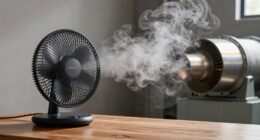
You can try DIY air filtration by placing box fans with HEPA filters in strategic spots, which helps trap smoke particles effectively. Regular household cleaning, like wiping surfaces and vacuuming with a HEPA filter vacuum, also reduces lingering particles. Additionally, using natural air purifiers like activated charcoal or baking soda can absorb remaining smoke particles. These simple steps can markedly improve your home’s air quality without professional help.
Do All Smoke Odors Come From the Same Source?
Not all smoke odors come from the same source. You might notice different smells depending on the odor sources, such as cigarette smoke, cooking fumes, or wildfire residue. Smoke residue, which clings to surfaces, can cause persistent odors. To tackle these, identify the specific odor sources and clean affected areas thoroughly. Ventilate your space and consider odor absorbers like charcoal or baking soda for more stubborn smells.
Can Air Purifiers Eliminate Both Smoke Particles and Odors?
Think of your air purifier as a vigilant guardian, capable of tackling both smoke particles and odors. It can eliminate these issues if you perform regular maintenance, replacing filters and making certain the system runs efficiently. Keep in mind, a smoke detector’s sensitivity doesn’t affect your purifier’s ability. While air purifiers are effective, combining them with proper ventilation ensures a fresher, healthier space.
Conclusion
So, while you might think wiping away smoke particles will banish the smell, don’t be fooled—those particles are just the surface. Ironically, tackling the odor often requires deeper cleaning, not just masking it. You’d hope the obvious fix would be enough, but smoke’s stubborn nature proves otherwise. In the end, addressing each problem properly saves you time and frustration—though, of course, it’s not always as simple as just opening a window.
Fall Picks
fall essentials
As an affiliate, we earn on qualifying purchases.