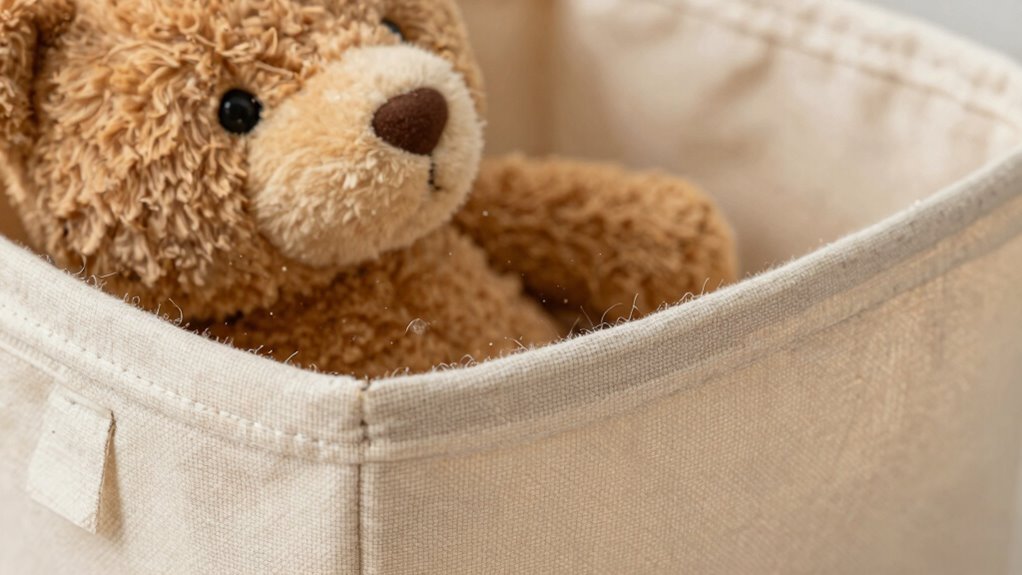

Soft toys and fabric storage can trap allergens deep within their fibers, making them hard to clean. Dust mites, pet dander, and pollen settle into the plush materials over time, lingering even after washing. These allergens can cause your allergy and asthma symptoms to worsen. Using hypoallergenic materials and proper cleaning methods helps reduce buildup. To discover effective tips for managing allergens in your home, keep exploring ways to create a healthier space.

Get garden gear delivered free with Prime
- Fast, free delivery on millions of items
- Prime Video, Amazon Music and more included
- Member-only deals all year
Key Takeaways
- Soft toys and fabric storage trap dust mites, pet dander, pollen, and irritants deep within fibers, making removal difficult.
- The plush materials’ porous nature allows allergens to settle and persist over time.
- Regular cleaning is necessary as allergens can hide and accumulate long after initial exposure.
- Non-hypoallergenic fabrics are more prone to mold, bacteria, and allergen buildup.
- Poor storage practices can increase allergen exposure and hinder effective cleaning efforts.
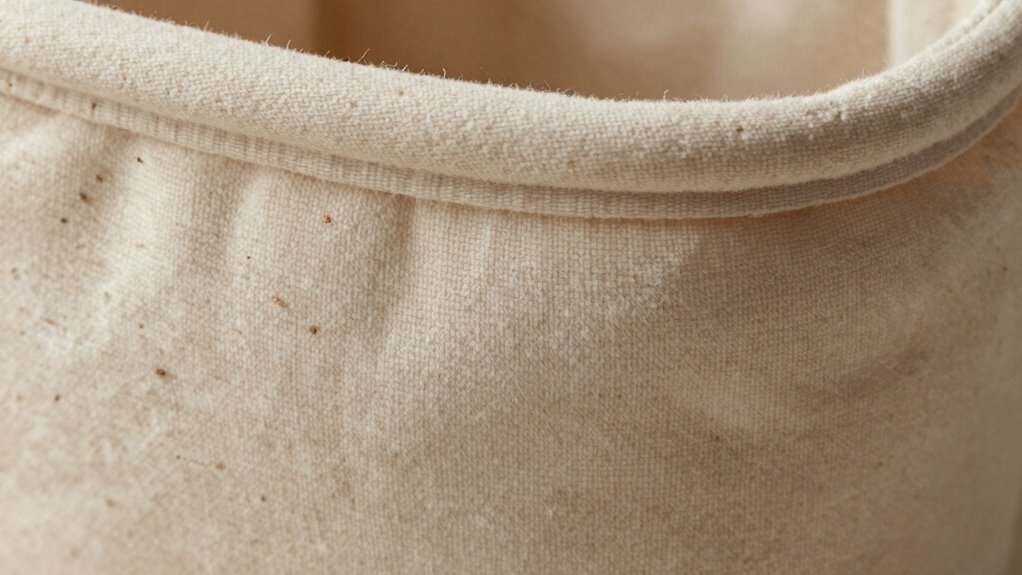
Soft toys and fabric storage items can harbor allergens that you might not notice at first. These objects are often made from plush fabrics and stuffed with materials that trap dust mites, pet dander, pollen, and other irritants. Over time, these allergens settle deep into the fibers, making it easy for them to linger long after the toys or storage containers are out of sight. If you or your family members suffer from allergies or asthma, you may find that these hidden culprits contribute to ongoing symptoms. That’s why understanding how to manage these items is vital for maintaining a healthier environment.
Soft toys and fabric storage can trap allergens, contributing to allergy and asthma symptoms if not properly cleaned.
One effective way to reduce allergen buildup is to choose toys and storage solutions made from hypoallergenic materials. These materials are designed to resist the accumulation of common allergens, making cleaning easier and more effective. For example, synthetic fabrics or specially treated fabrics can be less hospitable to dust mites and mold. When shopping for soft toys or fabric storage, look for labels that specify hypoallergenic properties. Not only do these materials help prevent allergen buildup, but they also tend to be more resistant to mold and bacteria growth, which are common sources of indoor allergens. Additionally, understanding the properties of hypoallergenic materials can guide you in making safer choices for your family members with sensitivities. Using proper storage techniques can further help minimize allergen exposure and keep your environment cleaner. Incorporating regular cleaning routines can also significantly reduce the presence of settled allergens on these items.
Cleaning techniques play an essential role in keeping these items allergen-free. Regular washing is your best defense, especially using hot water and mild, fragrance-free detergents. Hot water helps kill dust mites and loosen embedded dirt, while gentle detergents prevent fabric degradation that could trap more allergens over time. For stuffed toys that can’t be washed easily, consider placing them in a dryer on high heat to simulate the same effect, or freeze them overnight to kill dust mites. Additionally, using a vacuum with a HEPA filter to clean fabric storage areas and surrounding surfaces can help remove residual allergens from the environment. Incorporating effective cleaning methods into your routine can also help prevent allergens from accumulating over time.
Incorporating these cleaning techniques into your routine can make a significant difference in allergen levels. Remember, the goal isn’t just to clean once but to establish regular habits that prevent allergens from building up. Combining the use of hypoallergenic materials with diligent cleaning guarantees your soft toys and fabric storage items stay as allergen-free as possible. This proactive approach not only helps alleviate allergy symptoms but also creates a safer, more comfortable space for everyone in your home.
Products Worth Considering

Dyson Ball Animal Total Clean Upright Vacuum

LEVOIT Vital 100S-P Smart Air Purifier with Washable Pre-Filter

Dyson Ball Animal 3 Extra Upright Vacuum
As an affiliate, we earn on qualifying purchases.
Frequently Asked Questions
How Long Do Allergens Typically Stay Embedded in Soft Toys?
Allergens like dust mites and chemical residues can stay embedded in soft toys for months or even years if not cleaned properly. Dust mites hide deep within the fabric, and their residues can stick around, especially in plush textures. Regular washing helps reduce these allergens, but some residues may persist longer. To keep your toys allergen-free, wash them frequently and consider using allergen-proof covers or treatments.
Can Washing Soft Toys Completely Eliminate All Allergens?
Washing soft toys can considerably reduce allergen buildup, but it might not completely eliminate all allergens. To maximize dander removal, use hot water and a thorough rinse cycle. Regular washing helps break down allergens trapped in fabric fibers, yet some stubborn particles may persist. For best results, consider using allergen-proof covers or deep cleaning methods. While washing greatly improves cleanliness, complete allergen removal isn’t always guaranteed, especially with persistent or deeply embedded particles.
Are Certain Fabrics More Prone to Holding Allergens Than Others?
Yes, certain fabrics are more prone to holding allergens due to their fiber density and fabric porosity. Fabrics with low fiber density and high porosity, like plush or loosely woven textiles, trap more allergens such as dust mites and pet dander. In contrast, tightly woven or synthetic fabrics with high fiber density are less likely to retain allergens. Choosing fabrics with higher fiber density can help reduce allergen accumulation and make cleaning easier.
What Are the Safest Cleaning Methods for Delicate Fabric Storage?
Ever wondered how to keep your delicate fabric storage safe? You should opt for gentle cleaning methods like vacuuming with a soft brush attachment or spot cleaning with mild detergent. These techniques help maintain fabric protection and preserve allergen barriers without damage. Avoid harsh chemicals or machine washing, which can weaken fibers. Regular, careful cleaning reduces allergen buildup, ensuring your storage stays fresh and safe for sensitive environments.
How Often Should Soft Toys and Fabric Storage Be Cleaned?
You should clean soft toys and fabric storage at least once a month to minimize dust mites and remove chemical residues. Regular cleaning helps prevent allergen buildup, especially since dust mites and residues can trigger allergies. Use gentle, allergen-free detergents and wash thoroughly. For delicate items, consider vacuuming with a HEPA filter or spot cleaning to maintain cleanliness without damaging the fabric. Consistent cleaning keeps your space healthier.
Conclusion
So, savvy storage solutions and soft toys seem sweet, but they can trap tiny allergens that trigger trouble. To keep your space safe and sneeze-free, regularly clean and carefully consider what you keep close. Remember, simple steps can considerably suppress the sneezing, sniffling, and suffering caused by sneaky, stubborn allergens hiding in your soft, fabric-filled favorites. Stay smart, stay sanitized, and keep allergy annoyances away!