
TL;DR

Get garden gear delivered free — and shop member deals
- Fast, free delivery on millions of items
- Access to Prime Big Deal Days deals on October 6–7
- Prime Video, Amazon Music and more included
An Amateur Gardening report presents “Bobylon,” a small-scale method for growing plants on floating rafts in containers such as an old bath or sink. It says the setup can store rainwater for selected crops, but does not establish that it will prevent drought losses; container depth, plant needs and polystyrene disposal all matter.
Amateur Gardening has outlined “Bobylon,” a small-scale floating-garden idea that uses a raft inside a container such as an old bath or sink to keep selected potted plants in contact with stored rainwater. The report presents it as a partial response to difficult dry and wet spells, while noting that most plants cannot tolerate waterlogged roots and that larger or deeper containers bring additional problems.
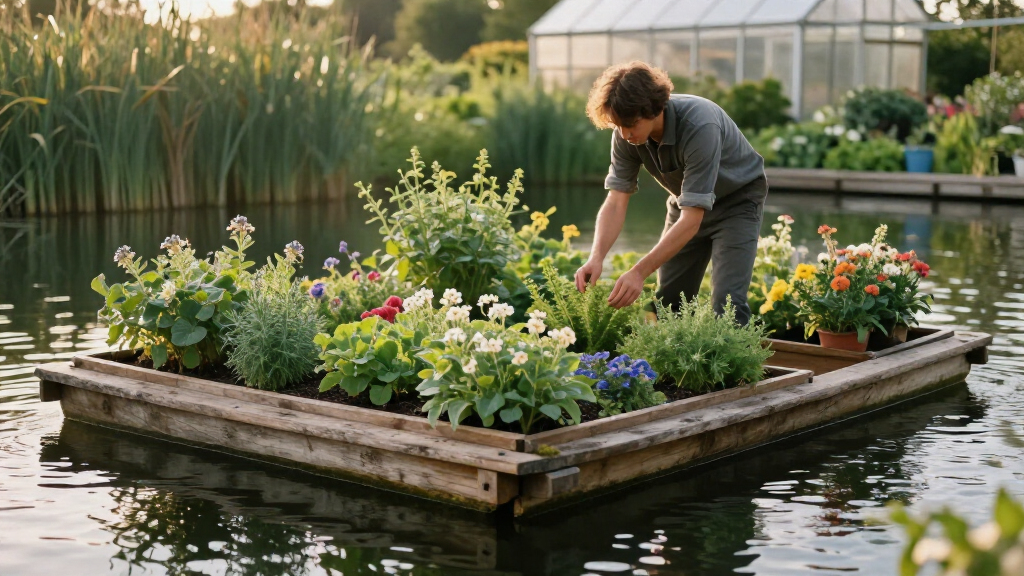
The report describes cutting thick, flat expanded polystyrene to fit inside a container, then making openings for plant pots so their bottoms just reach the water. The raft’s buoyancy can be adjusted by adding weight or slipping extra pieces underneath. A layer of capillary matting sandwiched beneath the upper tray is offered as another way to bring moisture to the compost. The method is intended for small containers rather than the large timber-and-bark rafts used in some floating gardens shown in documentaries.
Amateur Gardening says tomatoes, melons, cucumbers and sweet peas may be stood in saucers of water when other growing conditions are suitable. It also identifies blackcurrants, blueberries and cranberries as plants that like moisture, but stresses that their roots should remain above the waterline. The report says a small bath could hold enough rainwater for a small blueberry plant through the year, while thirstier plants would need more water or regular topping up.
For shallow floating trays, the article suggests salad leaves, spinach, Chinese greens and watercress. It says these trays can also give slug-prone seedlings a more protected place to start, though their shallow compost limits how large most plants can grow. Nutrients can leach from the compost into the water, so the report advises occasional feeding. It cautions that polystyrene fragments should be removed and disposed of safely to keep them out of soil and waterways.
A Rainwater Buffer for Containers
The proposal offers gardeners a way to use rain stored in a small container to supply some plants between watering, particularly where a pond or full-sized allotment raft is impractical. It is a modest adaptation: the source describes a self-watering arrangement, not a tested system for preventing drought damage or managing flooding across a garden.
The guidance also highlights a key limit for gardeners: moisture-loving does not mean submerged. Most roots need access to air, and even the berries named in the report should sit above the waterline. Matching the water depth and volume to the plant is central to whether the setup is useful.
From Large Rafts to Old Baths
Floating gardens are familiar from documentaries, according to the report, where large rafts of timber and bark carry soil and crops above water. Such rafts may rise only 30 to 60 centimetres above the water, yet support crops and even fruit trees. Amateur Gardening contrasts those systems with British conditions, where cold waterlogged soil can kill many plants.
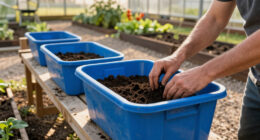
“Bobylon” adapts the underlying idea for household containers. The report suggests an old bath, baby bath, sink or similar vessel, with a fitted float supporting pots or shallow trays. Expanded polystyrene seed trays can be stacked to improve flotation, but the article acknowledges their environmental drawbacks and frames reuse as an option when such trays are already available.
““There is one possible, partial solution that might just help a tad in the next drought.””
— Amateur Gardening report
Limits of the Small-Scale Method
The supplied report does not give controlled trial results, measured water savings or a comparison with ordinary watering. It does not quantify how often a container needs topping up across different climates, seasons or plant sizes. Its estimate that a baby bath could supply a small blueberry for a year is presented as an example, not as a measured result with stated conditions.
The report also leaves practical details open, including suitable container dimensions, how to keep the raft stable in wind and how to manage water quality over time. It warns that an uncovered water butt may collect debris and insect larvae, and that a floating plant could sink below the rim as water is used or rise too high after rain and blow off. These risks depend on the container and setup.
Choosing a Container and Crops
The next step for anyone trying the idea is to choose a shallow, stable container and plants suited to consistently moist conditions, then check that their roots remain above the waterline. Gardeners using polystyrene should remove and safely dispose of fragments; those using open containers should monitor debris, insects and water levels. The report offers no further testing or follow-up timetable, so how well the method performs in individual gardens remains to be seen.
Key Questions
What is “Bobylon”?
It is the report’s name for a small floating-garden setup using a raft inside a container to support pots or shallow growing trays above stored water.
Which plants does the report suggest?
It names tomatoes, melons, cucumbers and sweet peas for saucers of water, and suggests shallow trays for salad leaves, spinach, Chinese greens and watercress. It says berries such as blueberries should remain above the waterline.
Does the method eliminate watering?
No such result is established in the report. It says stored rain can supply some plants, but a small container may need topping up, especially for thirstier crops.
What are the main cautions?
Most plants cannot tolerate waterlogged roots. Deep containers can cause plants to drop below the rim as water is used or become exposed above it after rain. The report also advises disposing of broken polystyrene safely and keeping uncovered water containers clear of debris and insect larvae.
Source: rss
Fall Picks
fall essentials
As an affiliate, we earn on qualifying purchases.