TL;DR
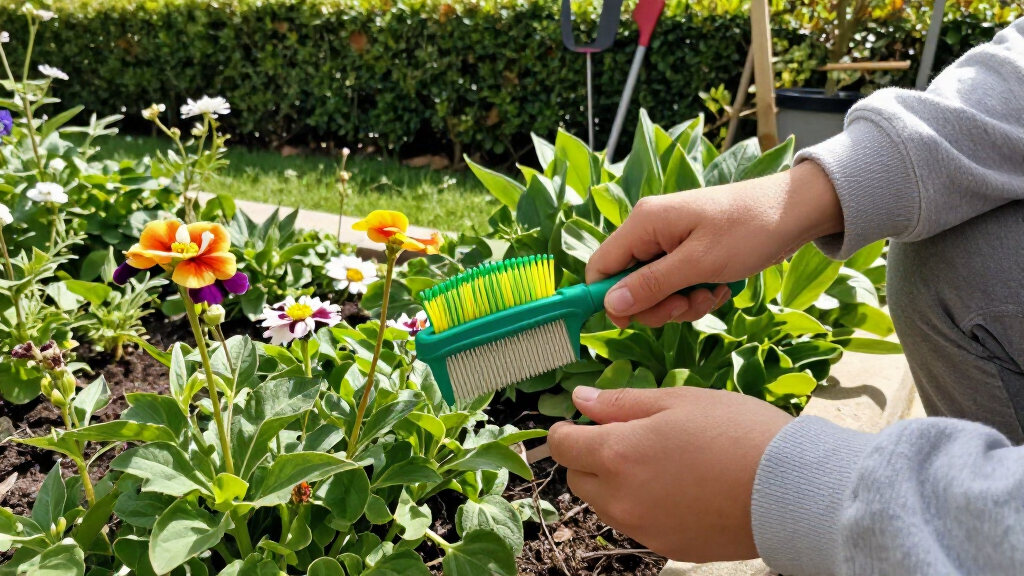
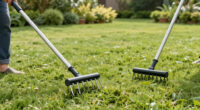
A gardener reports that using a $4 dog comb for just five minutes in August has helped prevent extensive spring weeding. The method is gaining attention for its simplicity and cost-effectiveness.

Get garden gear delivered free with Prime
- Fast, free delivery on millions of items
- Prime Video, Amazon Music and more included
- Member-only deals all year
Potential for Cost-Effective Weed Prevention
This simple, low-cost technique could offer gardeners an easy way to reduce spring weeding, saving time and effort while minimizing chemical use. If proven effective broadly, it might become a recommended practice for organic gardening and sustainable land management. The approach’s accessibility makes it attractive for gardeners with limited budgets or those seeking chemical-free methods. However, as current evidence is anecdotal, further research is needed to confirm its effectiveness on a larger scale and across different soil types and climates.Products Worth Considering

Sonos One (Gen 2) Two-Room Set Voice-Controlled Smart Speaker with Alexa (2-Pack, Black)

Philips Hue Play Floor Lamp, RGBWWIC LED, 53 Inch, Black

Sonos One SL (3-Pack) – Microphone-Free Speaker, Black
As an affiliate, we earn on qualifying purchases.
Timing and Common Weed Control Strategies
Weeding is a perennial challenge for gardeners, especially during spring when weeds tend to grow rapidly. Traditional methods include manual removal, mulching, and herbicide use. Organic and sustainable practices focus on preventing weed seed germination, often through soil disturbance or cover crops. The gardener’s August routine aligns with the concept of disrupting weed seed maturation before they can sprout in spring. This approach is relatively new in gardening circles, inspired by efforts to find low-cost, chemical-free solutions. Its popularity is still emerging, and scientific validation is limited at this stage.“Spending just five minutes with a dog comb in August has made a huge difference in how many weeds I deal with in spring.”
— Gardener who shared their experience
Effectiveness and Scientific Validation of the Method
It is not yet confirmed through scientific studies whether using a dog comb in August reliably reduces weed growth in spring across different environments. The anecdotal evidence from individual gardeners needs validation through controlled research to determine its general applicability and long-term impact.Further Observation and Research on the Technique
Gardening researchers and practitioners may conduct trials to evaluate the method’s effectiveness across various soil types and climates. Gardeners are encouraged to try the routine and share results. Monitoring over multiple seasons will help determine if this simple practice can be recommended as a standard weed prevention technique. Meanwhile, gardeners should consider integrating it with other organic weed control methods for best results.Key Questions
Can using a dog comb really prevent weeds?
While anecdotal reports suggest it may help by disrupting weed seed maturation, scientific evidence is limited. More research is needed to confirm its effectiveness across different settings.
Is this method safe for all garden plants?
Yes, using a dog comb in this way is generally safe for most garden plants, as it involves light soil disturbance and grooming. However, gardeners should avoid damaging delicate plants.
When should I use this routine for best results?
According to the gardener’s experience, applying the routine in August — before weed seeds mature — is most effective for reducing spring weed growth.
Does this replace other weed control methods?
No, it is intended as a supplementary practice. Combining it with mulching, manual removal, or organic herbicides can improve overall weed management.
How long does the effect last?
The gardener reports noticeable differences in spring, but long-term effects over multiple seasons are still unverified. Regular repetition may be advisable.
Source: rss