
Tight homes are designed to save energy but can trap indoor pollutants if you don’t adopt good habits. Relying solely on filters isn’t enough because they don’t remove all pollutants or improve airflow. Instead, you need to regularly ventilate by opening windows or using mechanical systems to bring in fresh air. Managing sources like cooking, humidity, and clutter is also vital for healthier indoor air. If you want to keep your home truly safe, understanding these habits is essential.

Get garden gear delivered free — and shop member deals
- Fast, free delivery on millions of items
- Access to Prime Big Deal Days deals on October 6–7
- Prime Video, Amazon Music and more included
Key Takeaways
- Tight homes trap indoor pollutants, making proper ventilation more crucial than relying solely on filters.
- Regularly opening windows or using mechanical ventilation improves air exchange and reduces pollutant buildup.
- Proper habits like using exhaust fans and avoiding indoor smoking help maintain healthier indoor air quality.
- Humidity control prevents mold growth and dust mites, which filters alone cannot address effectively.
- Relying only on filters ignores the importance of fresh air intake and pollutant dilution through good ventilation practices.
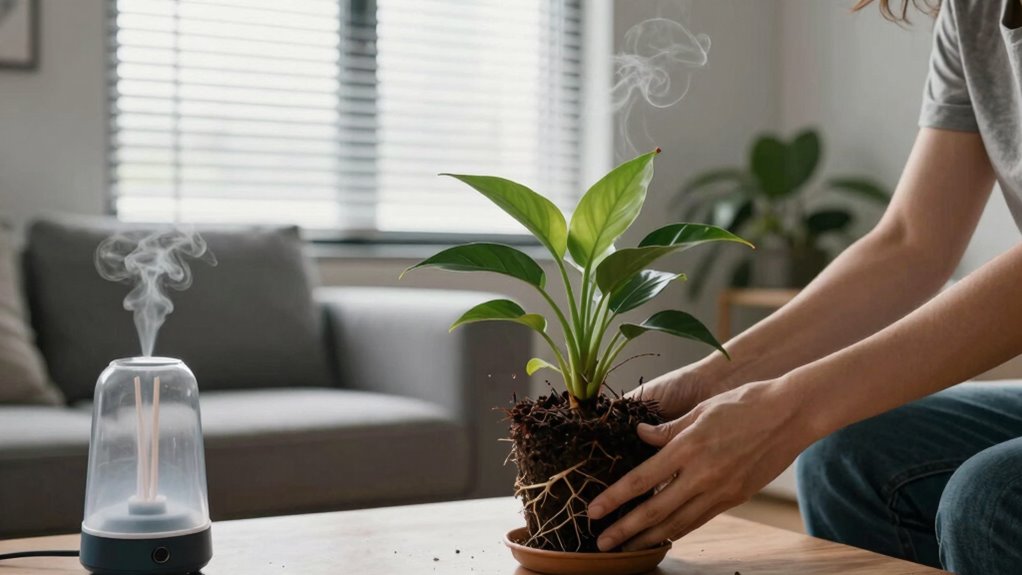
Tight homes are designed to minimize air leaks, which is great for energy efficiency but can trap indoor pollutants inside. Without proper ventilation, these contaminants build up, leading to health issues over time. You might have the latest HEPA filters, but if you keep the windows closed all the time, the air quality won’t improve considerably. That’s why your habits around ventilation matter more than you think. Opening windows regularly, even briefly, helps dilute indoor pollutants and brings in fresh air from outside. If outdoor air quality is poor, consider using mechanical ventilation systems that exchange stale indoor air with filtered outdoor air, ensuring you’re not just trapping pollutants inside.
You should also be mindful of activities that generate indoor pollution. Cooking without proper exhaust can release smoke, odors, and moisture into your living space. Running the bathroom fan during showers helps remove excess humidity that encourages mold growth. Keeping clutter to a minimum reduces dust accumulation, and regular cleaning with a vacuum equipped with a HEPA filter prevents dust mites and allergens from settling. These habits greatly impact your indoor air quality, especially in a tightly sealed home. Incorporating effective ventilation techniques can significantly improve air exchange and reduce pollutant buildup. Additionally, using air quality monitors can help you keep track of pollutant levels and adjust your habits accordingly.
Another key habit involves controlling humidity levels. Too much moisture creates a breeding ground for mold and dust mites, while too little can cause respiratory irritation. Using a humidifier or dehumidifier as needed keeps humidity in the ideal range, further supporting healthier indoor air. Proper humidity control also prevents the growth of mold and mildew, which can exacerbate respiratory issues. Additionally, avoid smoking indoors or using strong chemical cleaners that release volatile organic compounds. These pollutants can linger in airtight homes, making good ventilation strategies essential to keep the air fresh and safe to breathe. Regularly monitoring indoor humidity levels and adjusting ventilation accordingly can help maintain a healthier environment. Incorporating proper ventilation techniques into your daily routine is crucial for maintaining optimal indoor air quality.
mechanical ventilation system for home
As an affiliate, we earn on qualifying purchases.
As an affiliate, we earn on qualifying purchases.
Frequently Asked Questions
How Do Habits Influence Indoor Air Quality in Tight Homes?
Your habits directly impact indoor air quality in tight homes by controlling air exchange and contaminant sources. Regularly opening windows, using exhaust fans, and avoiding indoor smoking help bring in fresh air and reduce pollutants. Keeping surfaces clean and avoiding clutter minimizes dust and allergens. These habits help maintain better airflow, prevent buildup of indoor contaminants, and guarantee your home stays healthier, despite its tight construction.
What Daily Practices Can Improve Ventilation Naturally?
You can improve natural ventilation by regularly opening windows and doors to promote air circulation, especially during pleasant weather. Use exhaust fans in kitchens and bathrooms to reduce humidity and improve air quality. Keep indoor humidity levels in check with dehumidifiers or vents to prevent mold growth. These habits guarantee fresh air flows in, moisture stays under control, and indoor air quality remains healthy without relying solely on filters.
Are There Specific Habits to Reduce Indoor Pollutants Effectively?
Think of your home as a garden; you need to tend it carefully. To reduce indoor pollutants, regularly maintain your air purifier to keep it effective, and control VOC sources by avoiding strong chemicals or smoking indoors. Open windows when possible, and clean surfaces to limit dust and allergens. These habits act like watering and weeding, ensuring your indoor environment stays fresh and healthy, free from harmful pollutants.
How Often Should Residents Change Their Cleaning Routines?
You should update your cleaning schedules at least once a week to maintain good air quality in your tight home. Regular cleaning helps reduce dust, allergens, and pollutants that accumulate quickly in well-sealed spaces. Focus on dusting surfaces, vacuuming with a HEPA filter, and cleaning air vents. Consistent routines prevent pollutants from building up, ensuring healthier indoor air and a more comfortable living environment.
Can Lifestyle Changes Impact Overall Indoor Air Health?
Yes, your lifestyle changes can considerably boost indoor air health. By adopting better ventilation strategies and prioritizing air purification, you reduce pollutants and humidity that cause discomfort and allergies. You might think these adjustments are complex, but simple habits like opening windows regularly or using air purifiers make a big difference. These small, consistent actions improve airflow and clean the air, creating a healthier indoor environment for everyone.
Conclusion
Remember, maintaining a tight home isn’t just about upgrading filters; it’s about cultivating good habits. Did you know that indoor air can be up to five times more polluted than outdoor air? By regularly ventilating, cleaning, and being mindful of what enters your home, you can markedly improve your indoor air quality. Small daily habits make a big difference—so prioritize consistent routines over just high-tech solutions for a healthier, fresher living space.
Fall Picks
fall essentials
As an affiliate, we earn on qualifying purchases.