
Living near highways exposes you to ultra-fine particles that standard HEPA filters struggle to remove fully. While HEPA filters are effective against larger airborne pollutants, they can’t trap the tiniest particles that can penetrate deep into your lungs and bloodstream. Advanced indoor air systems with activated carbon or electrostatic precipitators can help, but outdoor pollution still affects indoor air quality. If you want to understand more about protecting your health in such environments, keep exploring the options available.
Open a free Amazon Business account
Business pricing, bulk buying and tax-exempt orders.
As an affiliate, we earn on qualifying purchases.
Key Takeaways
- HEPA filters effectively remove particles ≥0.3 microns but are less efficient against ultra-fine particles smaller than that.
- Ultra-fine particles (UFPs) can penetrate HEPA filters due to their tiny size, reducing filtration effectiveness.
- Indoor air quality near highways remains challenged by outdoor UFPs, even with HEPA filtration systems.
- Combining HEPA filters with activated carbon or electrostatic precipitators can improve UFP removal.
- Continuous outdoor air pollution from highway traffic can limit indoor air quality improvements despite filtration.
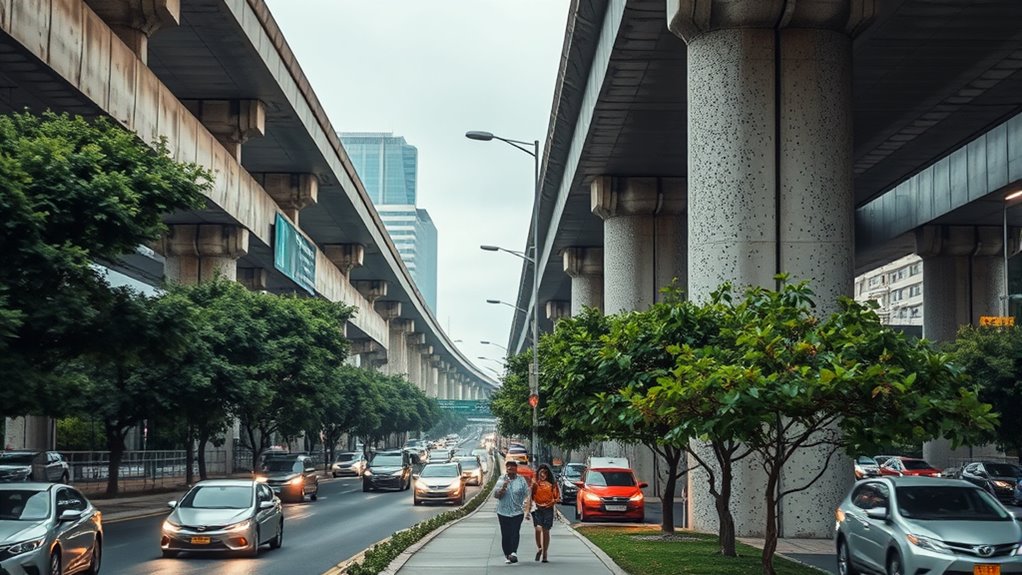
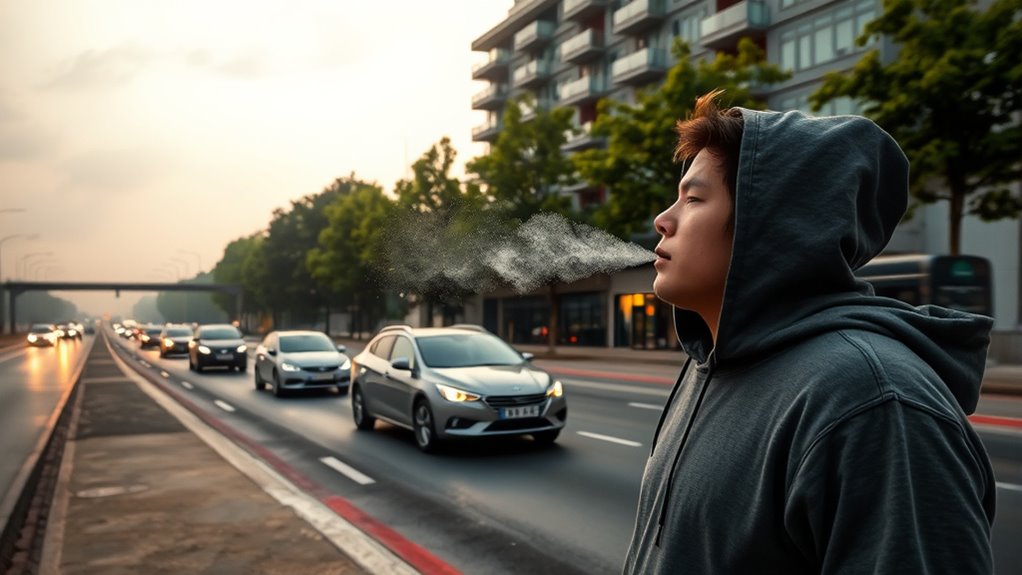
Living near highways offers both convenience and challenges that can substantially impact your daily life. One of the most noticeable issues is exposure to vehicle emissions, which are a significant source of air pollution. These emissions include a complex mix of pollutants like nitrogen oxides, carbon monoxide, volatile organic compounds, and fine particles. Among these, ultra-fine particles (UFPs) are especially concerning because of their small size and ability to penetrate deep into your lungs and even enter your bloodstream. Living close to busy roads means you’re likely to encounter higher concentrations of these tiny particles, which can have long-term health effects, such as respiratory problems, cardiovascular disease, and even neurological impacts. The constant presence of vehicle emissions makes it essential to consider air quality when evaluating your living situation. Additionally, recent advancements in AI in Environmental Monitoring are improving our understanding of pollution patterns and health risks associated with living near high-traffic areas.
Noise pollution is another significant challenge associated with living near highways. The relentless sound of passing vehicles can be disruptive, affecting your sleep, concentration, and overall well-being. Noise pollution isn’t just a nuisance; it can contribute to stress, increase blood pressure, and disturb your daily routines. If you work from home or enjoy quiet evenings, the constant hum of traffic can be particularly draining. Even with soundproof windows or barriers, some noise may still seep through, especially during peak traffic hours. Over time, the persistent noise can affect your mental health, making it harder to relax and enjoy your environment.
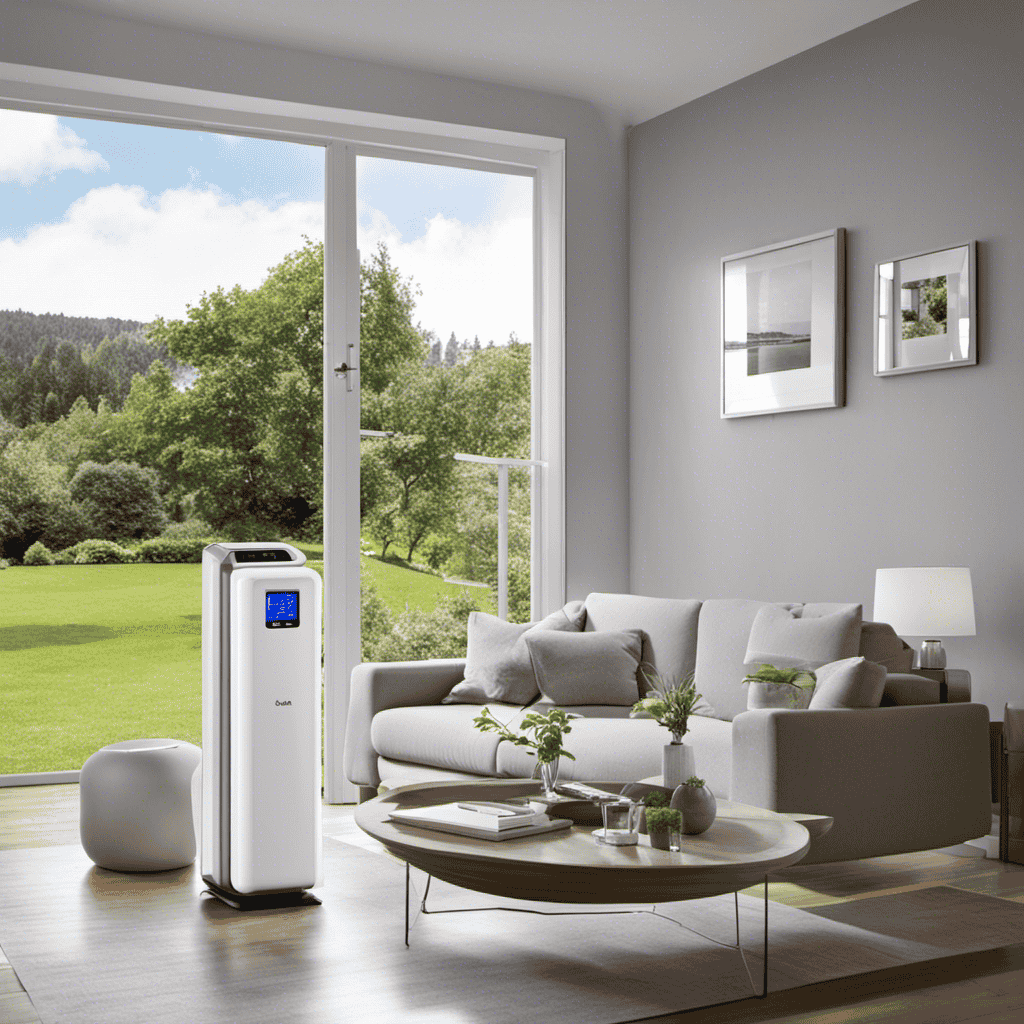
When it comes to filtering ultra-fine pollution, HEPA filters are often recommended because of their ability to trap particles as small as 0.3 microns. However, ultra-fine particles are smaller than what many HEPA filters are designed to capture effectively. While a HEPA filter can substantially reduce larger airborne pollutants, its effectiveness against ultra-fine particles is limited. Some advanced filtration systems incorporate additional technologies like activated carbon or electrostatic precipitators to better handle these tiny pollutants. But even the most sophisticated filters may struggle to completely eliminate ultra-fine particles from indoor air if the outdoor air quality is poor, which is often the case near highways.
Frequently Asked Questions
Do HEPA Filters Effectively Remove Ultra-Fine Particles From Highway Pollution?
HEPA filters are great at capturing many particles, but they have limitations with ultra-fine pollution. You should know that ultra-fine particles can penetrate HEPA filters due to their small size, making it harder for these filters to completely remove them. While HEPA filters reduce most airborne particles, relying solely on them might not fully protect you from ultra-fine highway pollution, so consider additional air purification methods for better safety.
How Often Should HEPA Filters Be Replaced in High-Traffic Areas?
You should check your HEPA filter’s lifespan regularly, especially in high-traffic areas. Replacement frequency depends on usage, air quality, and filter type, but generally, it’s best to replace filters every 6 to 12 months. If you notice reduced airflow or increased dust, it’s time for a replacement. Keeping track of your filter’s lifespan guarantees peak performance and cleaner indoor air, especially when pollution levels are high.
Are There Other Air Purification Methods Better Than HEPA for Ultra-Fine Particles?
You wonder if other air purification methods surpass HEPA filters for ultra-fine particles. Using air quality sensors, you can monitor particle levels and assess filtration efficiency. Technologies like activated carbon filters or UV-C purifiers complement HEPA, targeting specific pollutants like gases or microbes. Combining these systems guarantees better air quality, especially in high-traffic areas, giving you peace of mind about ultra-fine pollution removal.
Can Indoor Plants Significantly Reduce Ultra-Fine Particulate Matter?
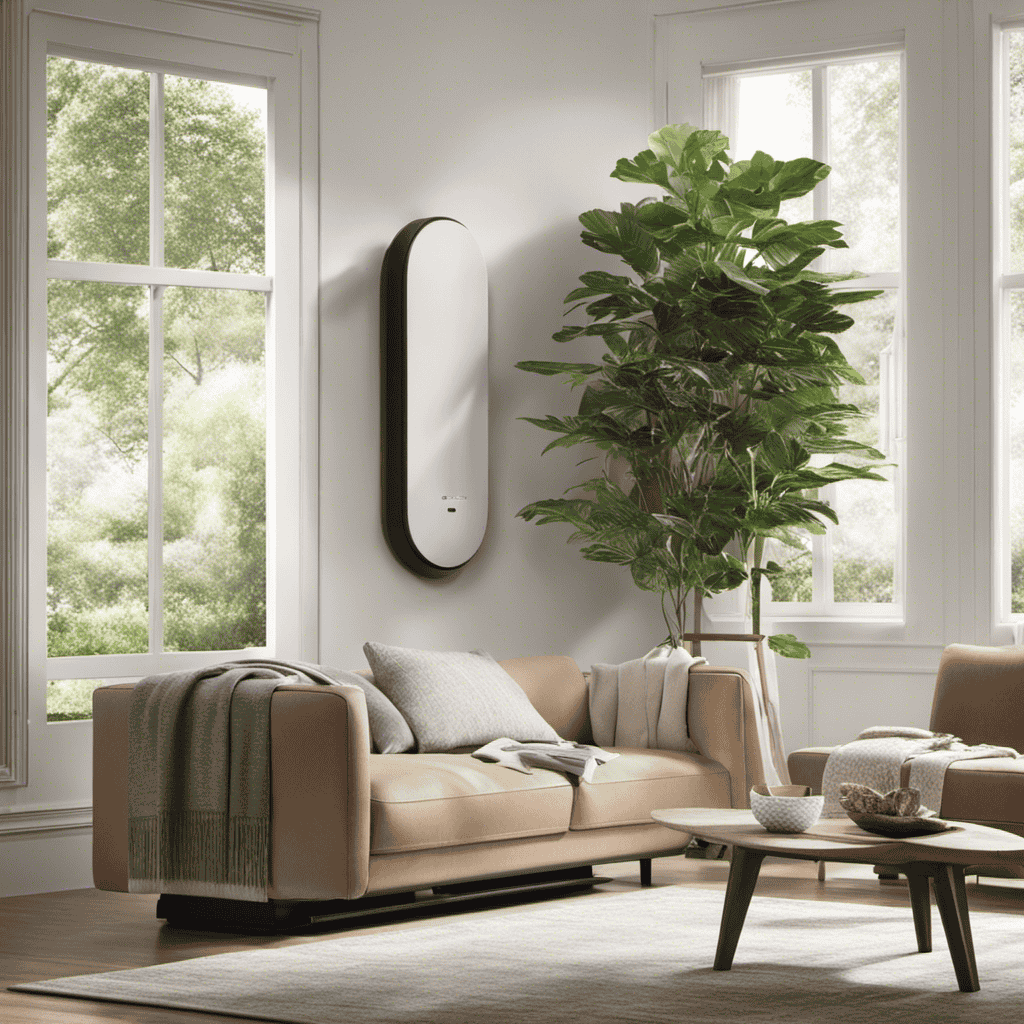
Imagine your home as a fortress against invisible enemies—ultra-fine particles. Indoor plants act like gentle guardians, helping with particulate reduction by filtering some pollutants through their leaves and roots. While they can improve air quality and boost your mood, don’t rely solely on plants for ultra-fine pollution. Combine them with HEPA filters for a stronger defense, creating a healthier, more breathable sanctuary in your space.
What Outdoor Interventions Can Complement HEPA Filtration Near Highways?
To effectively reduce ultra-fine pollution near highways, you can implement outdoor interventions like constructing an urban barrier, such as green walls or fences, to block particles. Encouraging traffic reduction measures, like carpooling or rerouting, also helps lower pollution levels. These strategies work in tandem with HEPA filters, creating a exhaustive approach that improves air quality and minimizes health risks for nearby residents.
Conclusion
So, next time you picture yourself inhaling highway fumes, imagine a tiny HEPA filter donning a superhero cape, valiantly battling ultra-fine particles with a tiny shield. Sadly, even that brave filter might find itself overwhelmed by the relentless onslaught of pollution, waving a white flag in defeat. Living near highways isn’t just a scenic drive; it’s a front-row seat to a never-ending, microscopic war — and, spoiler alert, the pollution often wins.
NFL season / tailgating Picks
team gear
As an affiliate, we earn on qualifying purchases.