
Not all UV purifiers emit the same wavelength, and their effectiveness depends on whether they target the germicidal UV-C range, which is roughly from 200 to 280 nanometers. UV-C is considered the most effective at destroying microorganisms by damaging their DNA or RNA. Some devices specify their wavelength output, ensuring they operate within this germicidal zone, while others may not. Continuing further will help you understand how wavelength variations impact sterilization power.

Get garden gear delivered free — and shop member deals
- Fast, free delivery on millions of items
- Access to Prime Big Deal Days deals on October 6–7
- Prime Video, Amazon Music and more included
Key Takeaways
- UV purifiers emit light across a spectrum from 200 to 400 nm, not all within the germicidal range.
- The most effective UV-C germicidal wavelength is around 254 nm, but not all devices specify or emit this.
- Different purifiers may target various parts of the UV spectrum, affecting their disinfection capabilities.
- Wavelength accuracy and emission range are crucial for a purifier’s effectiveness; not all use the same wavelength.
- Proper verification of wavelength ensures the purifier operates within the germicidal UV-C range for optimal sterilization.
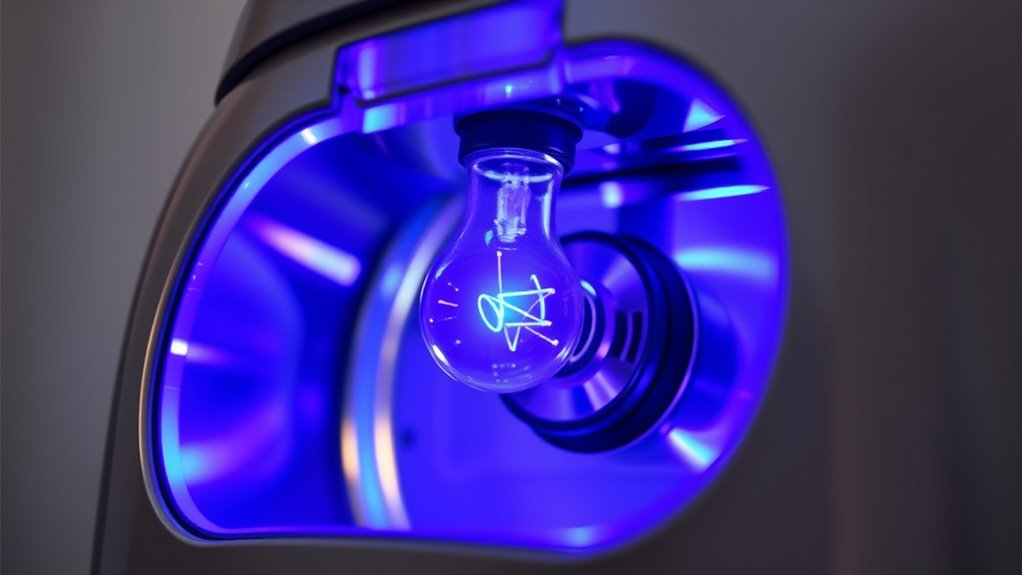
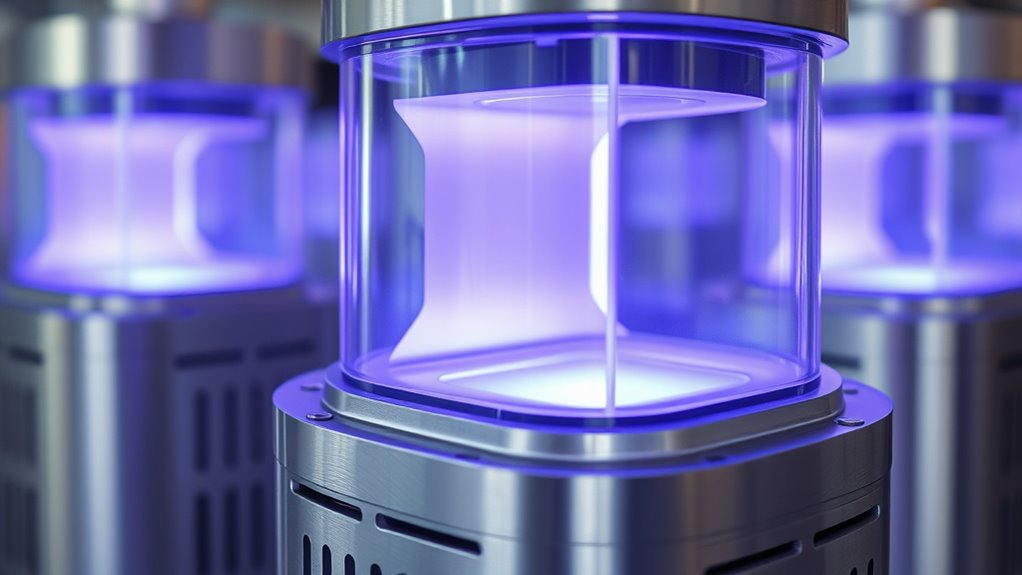
Ultraviolet (UV) purifiers use specific wavelengths of UV light to eliminate bacteria, viruses, and other microorganisms from air and water. When you look into UV purification, you might wonder if all UV purifiers operate at the same wavelength. The answer is no; there’s significant variation in the UV spectrum, which affects how effectively these devices can neutralize contaminants. The UV spectrum covers a range of wavelengths, roughly from 200 to 400 nanometers (nm), but not all parts of this spectrum are equally effective at destroying microorganisms. Most UV purifiers target a specific part of the UV spectrum known as UV-C, which typically ranges from about 200 to 280 nm. This wavelength variation is vital because UV-C is the most germicidal portion of the spectrum. When UV light hits a microorganism, it disrupts its DNA or RNA, preventing it from replicating and rendering it harmless. If a purifier emits UV light outside of this germicidal range, its ability to disinfect effectively diminishes. For instance, UV-A and UV-B wavelengths, which are longer, are less effective at killing germs and are mostly used in different applications like curing plastics or tanning. Understanding the importance of wavelength variation helps you choose the right UV purifier. Devices that operate within the ideal UV-C range are generally more effective at disinfecting air and water. Some models specify their wavelength output clearly, allowing you to verify if they emit at about 254 nm, a common and proven germicidal wavelength. Others may emit broader UV ranges, but their disinfecting power depends heavily on how much of that range actually falls within the germicidal zone. It is also important to consider that the UV intensity and exposure time significantly influence the sterilization effectiveness, meaning that a higher power output can compensate for shorter contact durations in some cases.
As an affiliate, we earn on qualifying purchases.
Frequently Asked Questions
Can UV Purifiers Target Specific Bacteria or Viruses?
Yes, UV purifiers can target specific bacteria or viruses, thanks to UV wavelength specificity. Different microorganisms absorb UV light at particular wavelengths, so some UV purifiers are designed to optimize bacteria targeting by emitting UV-C light around 254 nanometers. This wavelength effectively damages their DNA or RNA, preventing reproduction. Check your purifier’s specifications to verify it’s suited for targeting the pathogens you’re concerned about, maximizing its effectiveness.
Do Different Wavelengths Affect the Purifier’s Lifespan?
Different UV wavelength variations can impact your purifier’s durability. Shorter wavelengths, like UVC, tend to be more intense and may wear down components faster, reducing lifespan. On the other hand, longer wavelengths might be gentler on your purifier’s parts, extending its durability. To guarantee your device lasts, choose a purifier designed for the specific UV wavelength it uses, and follow maintenance recommendations carefully.
Are UV Wavelengths Safe for Human Exposure?
Think of UV light as a double-edged sword—while it’s powerful for sterilization, UV light safety is essential. Wavelength variations matter: shorter wavelengths (UV-C) are effective but can harm your skin and eyes if exposed directly. Manufacturers design UV purifiers to contain the light, making exposure safe. Always follow safety guidelines, and don’t look directly into the UV beam, ensuring your health stays protected while enjoying cleaner air.
How Do UV Wavelengths Impact Water or Air Purification?
UV wavelengths play a vital role in water and air purification by targeting microbes and contaminants. You should know that the ultraviolet spectrum includes various wavelengths, and different UV purifiers use specific ones like UV-C for maximum germicidal effect. Wavelength variability allows devices to optimize disinfection, but not all purifiers operate on the same spectrum. This variation impacts their effectiveness, so choosing the right UV wavelength is key for safe, efficient purification.
Can UV Purifiers Switch Between Different Wavelength Modes?
UV purifiers typically don’t switch between different wavelength modes, but some models offer wavelength flexibility through mode switching. This feature allows you to select specific wavelengths tailored for water or air purification, optimizing effectiveness. You can activate different modes based on your needs, ensuring versatile and efficient purification. With mode switching, you gain control over wavelength flexibility, enhancing your purifier’s performance and adapting to various environments seamlessly.
Conclusion
Not all UV purifiers use the same wavelength, so it’s important to choose one tailored to your needs. For example, UV-C light at 254 nm is most effective for germicidal purposes, killing up to 99.9% of pathogens. Notably, studies show that UV-C devices operating at the correct wavelength can eliminate bacteria and viruses faster than other types, making them a smart choice for cleaner air and water. Always check the specifications before buying to ensure you get the right wavelength for your needs.
Fall yard work Picks
leaf blowers
As an affiliate, we earn on qualifying purchases.