In just 10 minutes, you can quickly assess your vacation rental’s air quality by opening windows and checking for musty odors or mold. Look for visible mold spots or water stains, especially around bathrooms or behind furniture. Use a hygrometer to check humidity levels, aiming for 30-50%. Make certain ventilation is adequate and consider using an air purifier if needed. Want to find out more tips to keep your space fresh and safe? Keep going for detailed guidance.

Get garden gear delivered free with Prime
- Fast, free delivery on millions of items
- Prime Video, Amazon Music and more included
- Member-only deals all year
Key Takeaways
- Open windows and doors to assess fresh air circulation and detect musty odors or stale smells.
- Visually inspect for visible mold, water stains, or dampness around bathrooms, sinks, and ceilings.
- Use a hygrometer to quickly check indoor humidity levels, aiming for 30-50%.
- Check for signs of water leaks or water damage in common problem areas.
- Ensure proper ventilation and consider using or testing an air purifier for improved air quality.
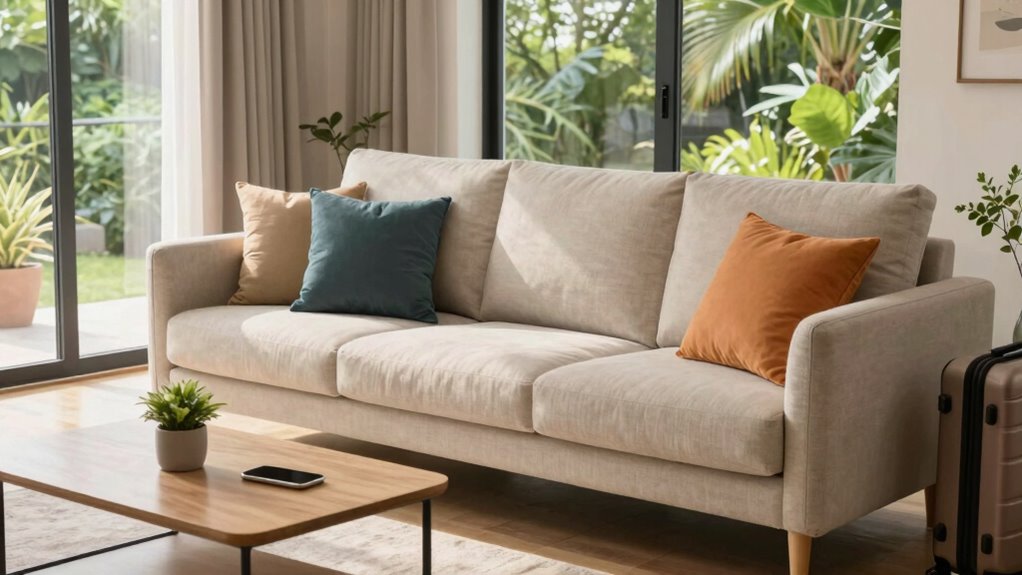
Have you ever wondered if your vacation rental’s air quality is safe and fresh? It’s a quick thought, but one worth acting on, especially if you want to guarantee your stay is comfortable and healthy. In just 10 minutes, you can perform a simple air check that helps you gauge the air’s condition and spot potential issues. This little routine can make a big difference, giving you peace of mind and preventing problems like mold growth or poor air purification from sneaking in unnoticed.
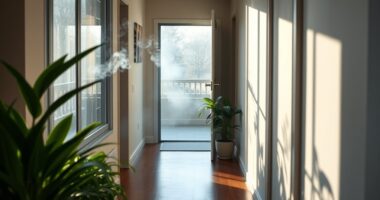
Start by opening windows and doors to let fresh air circulate. This quick step not only refreshes the space but also helps you better assess the air quality. As you do this, pay attention to any musty odors, which can be a sign of mold or poor ventilation. If the air smells damp or stale, it’s a good idea to investigate further. Mold prevention hinges on controlling moisture, so if you notice any visible mold or a persistent smell, inform the property owner immediately or consider addressing it yourself if appropriate. A quick visual inspection can reveal hidden mold spots in bathrooms, behind furniture, or beneath sinks, which are common trouble spots in vacation rentals.
Open windows and check for musty odors or visible mold; address issues promptly to maintain fresh, healthy air.
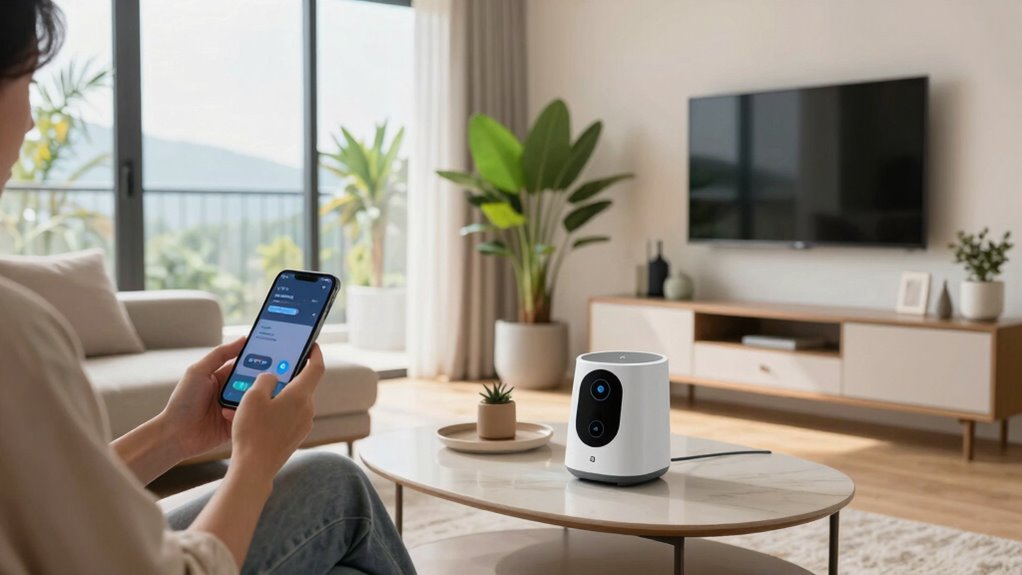
Next, test the humidity levels with a simple hygrometer, if available. Ideal indoor humidity should stay between 30% and 50%. If it’s higher, it creates an environment conducive to mold growth, which can compromise air quality. Lower humidity can cause discomfort and dry air, affecting your breathing. Adjust the thermostat or use portable dehumidifiers or humidifiers if you can. These devices support air purification by removing excess moisture or adding it where needed, helping prevent mold and keep the air fresh. Additionally, maintaining proper indoor air quality is essential for your health and comfort during your stay. Being aware of the indoor environment can also guide your decisions in choosing accommodations in the future.
You should also do a quick visual check for any signs of mold, water leaks, or dampness around windows, ceilings, and bathroom areas. If you find mold, clean small spots with a mixture of water and detergent, but for larger issues or persistent mold, notify the rental owner or property manager. Remember, mold prevention isn’t just about cleaning; it’s about maintaining a dry environment. Proper ventilation and moisture control are key components of this process. Understanding the sources of moisture in indoor spaces can help you better prevent mold and improve overall air quality. Creating awareness about biodiversity and sustainable living practices can also encourage the use of eco-friendly and healthier building materials, which contribute to better indoor air.
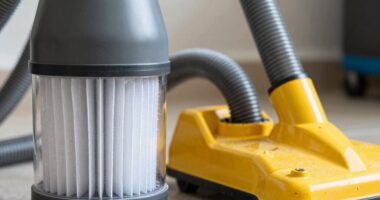
Finally, consider bringing an air purifier or ensuring the rental has one in place. Air purification systems can dramatically improve indoor air quality by filtering out allergens, dust, and mold spores. This simple device can make a noticeable difference, especially in spaces prone to humidity. By performing this quick 10-minute check, you’re actively safeguarding your health, ensuring the space remains fresh and mold-free during your stay. It’s a small effort that pays off with cleaner, safer air, making your vacation all the more enjoyable.
As an affiliate, we earn on qualifying purchases.
Frequently Asked Questions
Can I Perform the Air Check Without Special Tools?
Yes, you can perform DIY testing for air quality without special tools. Focus on basic air quality tips like opening windows for ventilation and checking for mold or odors. Use your senses—if the air smells musty or you notice visible mold, it’s a sign to investigate further. While more advanced testing needs tools, simple observation and ventilation are effective first steps in evaluating your vacation rental’s air quality quickly.
How Often Should I Redo the Air Check?
You should redo the air check every month to keep your space fresh. Regularly inspecting your air filter and ventilation system guarantees ideal airflow and air quality. If you notice dust buildup or reduced airflow, it’s time for another quick check. This routine helps prevent allergens from lurking and keeps your home comfortable. A simple monthly review of your air filter and ventilation system keeps your environment healthy and inviting.
What Signs Indicate Poor Indoor Air Quality?
You’ll notice poor indoor air quality if you experience frequent headaches, coughing, or sneezing, and if the space has lingering odors or stuffiness. Low air quality standards are often compromised by pollution sources like mold, dust, pet dander, or smoke. If these signs persist despite ventilation, it’s a good indicator to check for airborne pollutants and improve air circulation, ensuring your environment meets healthy air quality standards.
Are There Any Health Risks During the Air Check?
You might think it’s a walk in the park, but checking your air can pose some health risks. During the test, exposure to airborne bacteria and mold spores could cause irritation or allergic reactions. To stay safe, wear a mask and ventilate the area well. If you’re concerned about health risks, consider hiring a professional. Your safety is worth more than a quick check.
Can the Air Check Detect All Pollutants?
No, an air check can’t detect all pollutants. While it quickly identifies common airborne toxins and indoor allergens, it may miss some volatile organic compounds or hidden contaminants. This quick test provides a useful snapshot of your air quality but isn’t exhaustive. For thorough detection, consider professional testing or specialized equipment, especially if you suspect specific issues like mold or chemical exposure.
Conclusion
In just ten minutes, you’ve gained a vital edge over overlooked details, transforming your stay from ordinary to extraordinary. While the clock ticked away, you balanced thoroughness with efficiency—much like a skilled traveler weighing comfort against practicality. It’s a simple check, yet its impact can be profound, much like the quiet confidence of a seasoned explorer. With this quick routine, you’re not just prepared—you’re empowered to enjoy your vacation with peace of mind.
Fall Picks
fall essentials
As an affiliate, we earn on qualifying purchases.