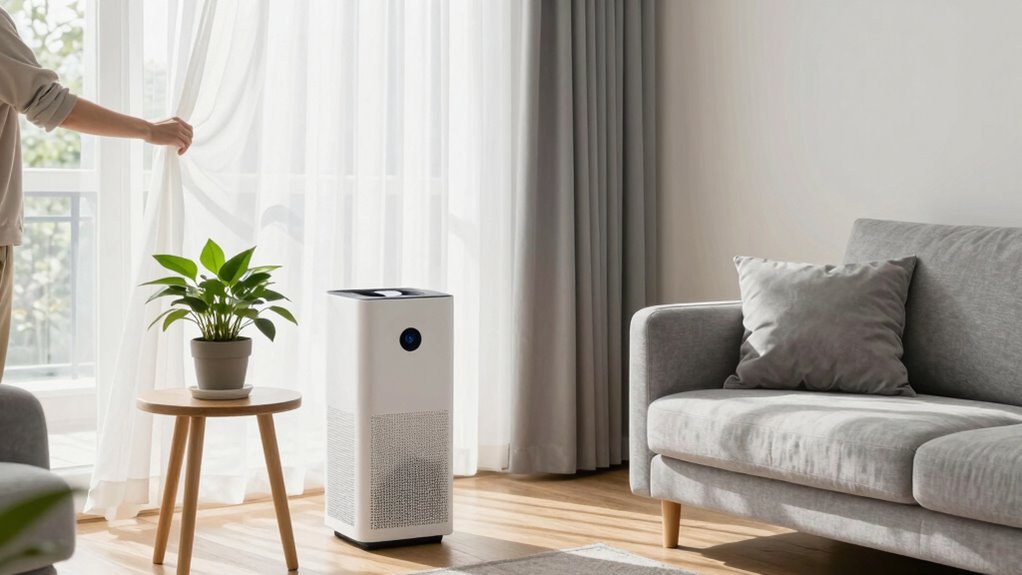

To build an indoor air routine you’ll stick with long-term, start by setting simple, achievable habits like opening windows or turning on air purifiers at specific times. Link these actions to daily activities, keep routines consistent, and celebrate small wins to stay motivated. Use monitors to see your progress and accept that misses are normal. If you continue your efforts, you’ll discover more tips to make your routine last.

Get garden gear delivered free with Prime
- Fast, free delivery on millions of items
- Prime Video, Amazon Music and more included
- Member-only deals all year
Key Takeaways
- Integrate air quality habits into daily routines, like opening windows during morning or evening, for automatic consistency.
- Keep routines simple, manageable, and linked to familiar activities to ensure long-term adherence.
- Use digital air quality monitors to track progress and stay motivated over time.
- Prioritize small, consistent actions—accept occasional misses—and focus on gradual habit development.
- Celebrate small wins and reinforce positive behaviors to maintain motivation and sustainability.
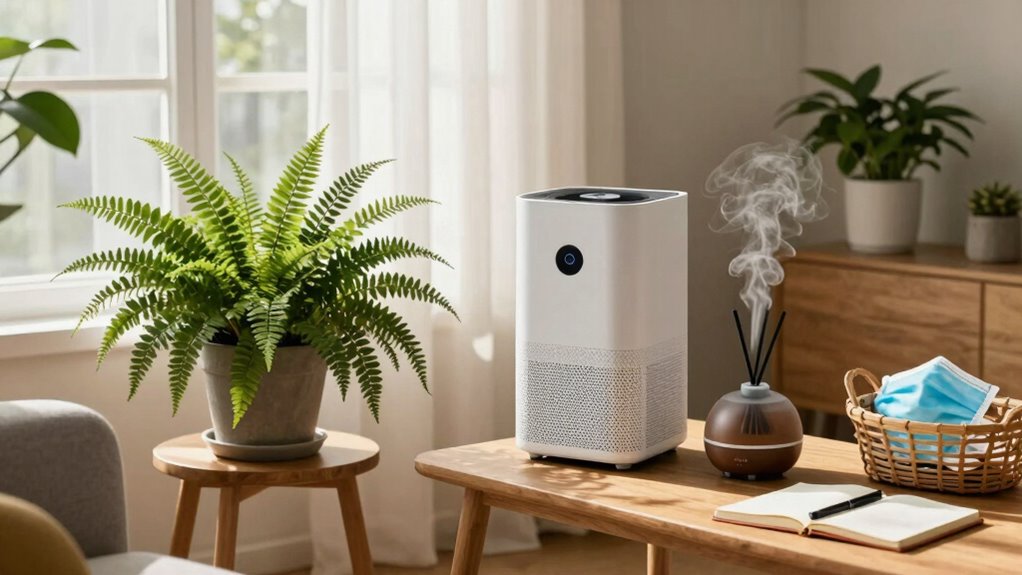
Creating a sustainable indoor air routine can feel challenging at first, but with the right approach, it becomes a natural part of your daily life. Improving your air quality consistently requires establishing habits that stick, even when you’re busy or tired. The key is to make these habits simple, manageable, and integrated into your existing routines. When you focus on habit formation, you create a seamless process that doesn’t feel like a chore. Over time, these small actions will become second nature, ensuring your indoor air remains fresh and healthy for months to come.
Start by setting clear, achievable goals. For example, decide to open windows daily for a few minutes or turn on an air purifier at specific times. These routines don’t have to be elaborate; they just need to be consistent. Once you embed them into your day, they become automatic. To reinforce this, link new habits to existing ones. For instance, every morning while brushing your teeth, turn on the air purifier or check the air quality levels. This association helps your brain connect the new routine with something familiar, making it easier to remember and follow through.
Link new air quality habits to daily routines to make them easy and automatic.
Monitoring your indoor air quality is another crucial step. Use a simple air quality monitor to keep track of how your actions impact the environment. Seeing real-time improvements or noticing when levels fluctuate motivates you to stick with your routine. Plus, it provides concrete evidence that your efforts are making a difference, reinforcing the habit formation process. Over time, you’ll notice that maintaining good air quality becomes instinctive, freeing you from constant reminders. Incorporating digital tools like air quality monitors can streamline this process and give you tangible feedback. Additionally, staying informed about indoor air quality factors can help you make more targeted improvements. Understanding the sources of indoor pollution can empower you to take more effective actions. Being aware of indoor air quality benefits can also motivate you to stay consistent. Recognizing how proper ventilation impacts overall health can further encourage ongoing efforts.
Consistency is more important than perfection. Life can get hectic, but even on busy days, taking small steps—like opening a window or turning on an exhaust fan—can keep your routine alive. If you miss a day, don’t get discouraged. Simply pick up where you left off. Remember, habits are built gradually. With each passing week, the actions become more automatic, and your indoor air quality improves steadily.
Finally, celebrate your progress. Recognize the small wins, like maintaining good air quality for a week straight or remembering to check your monitor daily. These positive associations reinforce your new habits, making them more likely to stick long-term. Building an indoor air routine that endures isn’t about perfection; it’s about creating sustainable, straightforward habits that seamlessly become part of your everyday life. With patience and consistency, you’ll find that your indoor air quality improves naturally and remains a priority well beyond three months.
air quality monitor for indoor air
As an affiliate, we earn on qualifying purchases.
As an affiliate, we earn on qualifying purchases.
Frequently Asked Questions
How Do I Identify the Best Air Purifiers for My Space?
To find the best air purifiers for your space, start by checking air quality sensors to assess your air pollution levels. Opt for models with HEPA filters and consider personal air purifiers if you need targeted cleaning. Look for features like quiet operation and energy efficiency. Read reviews, compare specifications, and choose a purifier that fits your room size and specific needs to guarantee cleaner, healthier air daily.
What Are Common Indoor Air Pollutants I Should Watch For?
Imagine breathing in a storm of airborne allergens and unseen mold spores, causing chaos in your lungs. Watch out for common indoor air pollutants like dust mites, pet dander, tobacco smoke, and mold. These sneaky enemies can trigger allergies and asthma. To protect yourself, focus on mold prevention and reduce airborne allergens. Regular cleaning, good ventilation, and air purifiers help keep your indoor air safe and breathable.
How Often Should I Replace or Clean My Air Filters?
You should replace or clean your air filters every 1 to 3 months, depending on their lifespan and your home’s air quality. Check your filter’s manufacturer recommendations for the ideal air filter lifespan. Establish a regular cleaning schedule to prevent dust and pollutants from accumulating. If you notice reduced airflow or increased allergies, consider replacing your filters sooner. Staying consistent with this routine helps maintain clean indoor air and healthier air quality.
Can Indoor Plants Improve Air Quality Effectively?
Indoor plants like snake plants or pothos can actually improve air quality, as they absorb toxins and release oxygen. For example, a study found that certain plant varieties markedly reduce indoor pollutants. While plants aren’t a complete solution, adding a few to your space can boost air quality and create a calming environment. Just remember to care for them regularly to keep their air-purifying benefits effective.
What Lifestyle Changes Can Enhance My Indoor Air Routine?
To enhance your indoor air routine, prioritize air quality awareness and make simple lifestyle adjustments. Keep your home well-ventilated by opening windows regularly, and avoid smoking indoors. Use air purifiers, and reduce sources of indoor pollution like harsh cleaning chemicals. Incorporate plants that improve air quality, and maintain a clean environment. These small lifestyle adjustments will help you sustain fresh, healthy indoor air over time.
Conclusion
Stick to your indoor air routine, even when life gets busy or habits slip. Remember, consistency is key, and small daily efforts add up over time. If you miss a day, don’t get discouraged—just pick up where you left off. Building a routine isn’t about perfection; it’s about creating a healthier environment that becomes second nature. Keep pushing forward, and in three months, you’ll notice a real difference in your indoor air quality.
Columbus Day / Indigenous Peoples' Day Picks
long weekend sales
As an affiliate, we earn on qualifying purchases.