
A funky or unusual smell from your air filter signals that something’s wrong with your system. It could mean mold, bacteria, or debris are building up, or that your filter is clogged or overheating. External odors like cooking smoke or industrial scents may also infiltrate your space. Ignoring these smells can affect your health and reduce air quality. If you want to understand what these odors are really telling you, keep going for more insights.

Get garden gear delivered free — and shop member deals
- Fast, free delivery on millions of items
- Access to Prime Big Deal Days deals on October 6–7
- Prime Video, Amazon Music and more included
Key Takeaways
- A musty or damp smell indicates mold or mildew growth in humid areas or filters.
- Chemical or burning odors suggest filters are clogged, overheating, or chemically contaminated.
- Dusty or stale smells point to dust, pet dander, or debris buildup in the filter.
- External odors like cooking or smoke infiltrate filters, signaling outside air contamination.
- Persistent odors mean the filtration system needs maintenance or filter replacement to ensure air quality.

Ever wondered why your air filters sometimes emit a strange smell? That scent isn’t just an annoyance; it’s a signal about your home’s air quality and the odor sources lurking around. When your filter releases an unusual odor, it’s trying to tell you that something needs your attention. These smells can point to various issues, from mold and bacteria buildup to dust accumulation or even specific contaminants in your environment. Recognizing what the smell indicates can help you address problems early, ensuring your indoor air remains clean and safe.
Strange air filter smells signal underlying issues affecting your home’s air quality and safety.
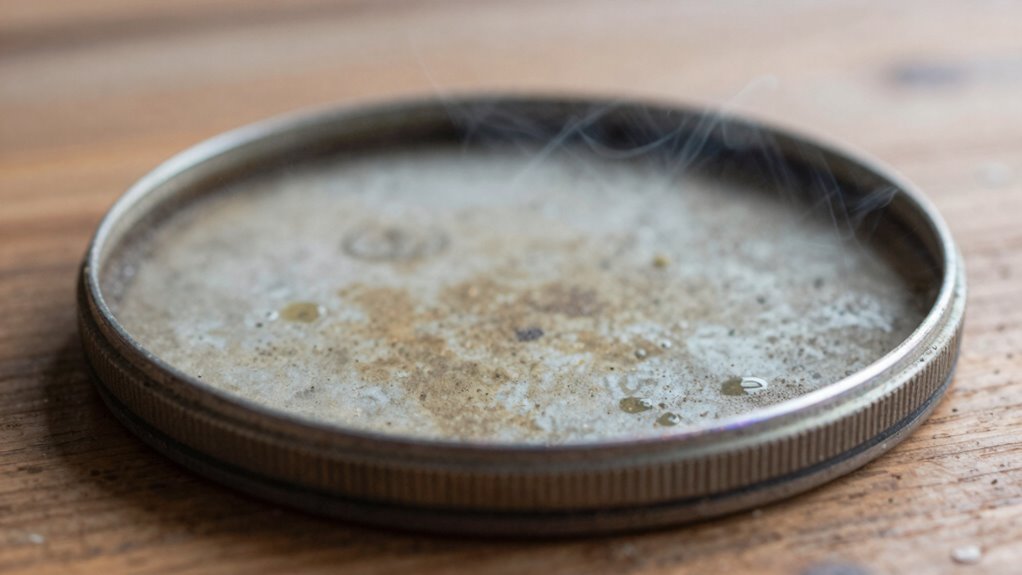
The smell often originates from the filter itself or the air it’s filtering. For example, a musty or damp odor typically hints at mold or mildew growth, which thrive in humid environments and can compromise your air quality. If you notice this smell, it’s a clear sign that moisture might be lingering somewhere—perhaps in the ducts or on the filter. On the other hand, a burning or chemical odor could suggest that the filter is clogged or overheating, or that there’s a chemical contaminant in the air. This type of smell indicates that your filtration system is struggling to do its job effectively, and it might be time to replace or upgrade your filter. Additionally, understanding air circulation and how it interacts with your filters can help prevent these issues from recurring.
Sometimes, the odor sources are more passive but still impactful. Dust, pet dander, or accumulated debris trapped in the filter can release a stale or dusty smell over time. When your filter gets saturated with these particles, it can no longer effectively trap new contaminants, leading to a noticeable change in air quality and an unpleasant smell. This is a sign you need to change your filter more frequently or check your ventilation system. If you ignore these odors, you risk exposing yourself and your family to airborne allergens or pollutants that can affect health and comfort. Regular filter maintenance can help prevent these issues and improve overall air quality.
Additionally, certain odors might come from external sources infiltrating your home through the ventilation system. For instance, cooking smells, cigarette smoke, or nearby industrial odors can get trapped in the filter, causing it to emit those scents. When this happens, it’s a good idea to identify and eliminate the external odor sources or improve your home’s sealing and ventilation systems. Understanding indoor air quality and its influence on health helps emphasize the importance of regular maintenance and awareness of these odor signals. Being proactive about addressing external contaminants can significantly enhance your indoor environment.
As an affiliate, we earn on qualifying purchases.
Frequently Asked Questions
Can Filter Smells Indicate a Deeper Mechanical Issue?
Yes, filter smells can point to deeper mechanical issues. If you notice persistent or strong odors, it might indicate that your HVAC system isn’t maintaining proper air quality or that there are hidden odor sources like mold or debris. These smells can be signs of clogged filters, duct problems, or other mechanical faults. Addressing these issues promptly helps keep your air clean and prevents potential damage to your system.
How Often Should I Replace My Filter to Prevent Smells?
You should replace your filter every 1 to 3 months to maintain good air quality and prevent smells. Regular filter maintenance guarantees your system runs efficiently and keeps odors at bay. If you notice persistent smells or reduced airflow, replace it sooner. Keeping your filter fresh improves air quality, reduces allergens, and prevents potential mechanical issues. Don’t wait too long—timely replacements are key to a healthier, smell-free environment.
Are Certain Smells More Harmful Than Others?
Some odors pose more concern for your air quality than others, especially those linked to hidden or persistent odor sources. Harsh, chemical smells or moldy odors can indicate contaminants that may affect your health, while milder scents might just be nuisances. You should be cautious with strong or unusual smells, as they often signal compromised air quality. Pay attention to your filter’s scent clues to better identify potential risks and maintain a healthier environment.
Can Filter Smells Be a Sign of Mold Growth?
Yes, filter smells can indicate mold growth, especially if the odor is musty or persistent. Mold releases airborne spores and compounds that can degrade air quality, making it essential to identify odor sources quickly. If you notice a strange smell coming from your filter, it’s a sign you should inspect your home for mold and clean or replace filters regularly to maintain healthy indoor air quality.
Do Different Filter Types Produce Different Odors?
Different filter types can produce subtle variations in odors, which may influence your air quality and odor prevention efforts. For example, some filters with activated carbon are designed to absorb odors, helping your space smell fresher, while others might emit a faint scent during use. Being aware of these differences can guide you in choosing the right filter, ensuring a healthier environment and better air quality without any unwelcome surprises.
Conclusion
Don’t dismiss that funky filter smell—it’s a signal you shouldn’t ignore. By paying attention and promptly replacing or cleaning your filter, you protect your space, preserve your health, and prevent potential problems from brewing. Remember, a fresh filter fosters a fresher, healthier home. So, stay sharp, be swift, and keep that smell in check—your comfort and cleanliness depend on your quick response!
Fall yard work Picks
leaf blowers
As an affiliate, we earn on qualifying purchases.