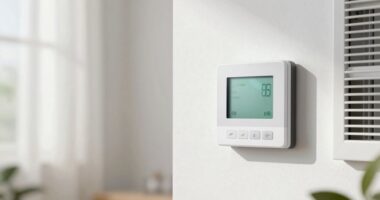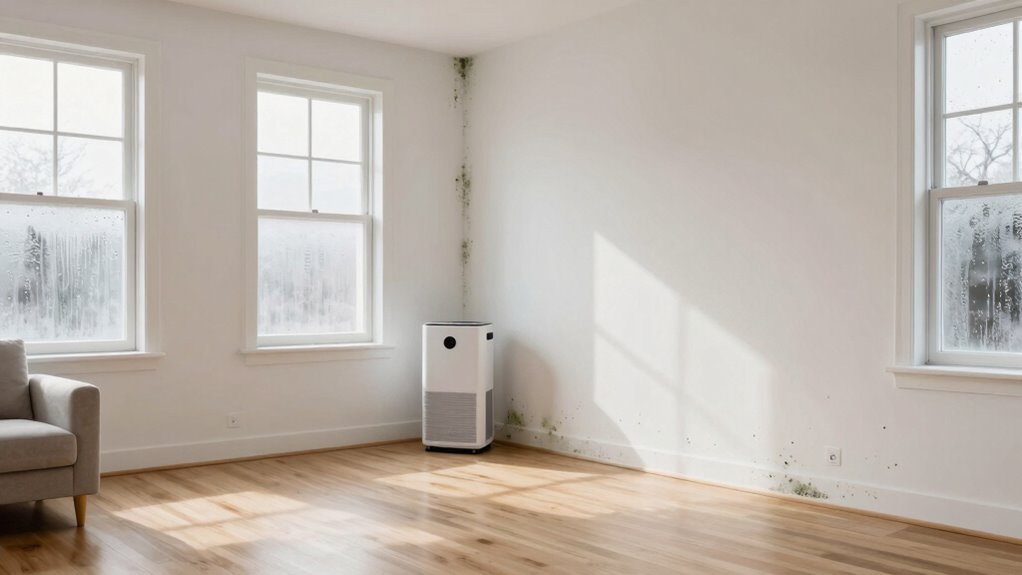

Whole-home air plans often fail because they focus solely on filtering and circulating air without managing indoor moisture levels. Without proper moisture control, excess humidity can cause mold, damage your home, and lead to discomfort, even when temperatures are right. Ventilation alone doesn’t remove moisture effectively. If you ignore this essential aspect, your system will struggle to keep your home comfortable and healthy. Keep going to discover how proper moisture management can make all the difference.

Get garden gear delivered free with Prime
- Fast, free delivery on millions of items
- Prime Video, Amazon Music and more included
- Member-only deals all year
Key Takeaways
- Without moisture control, ventilation systems cannot effectively manage indoor humidity, leading to discomfort and health issues.
- Excess moisture can cause structural damage, which air filtration alone cannot prevent or repair.
- High humidity levels increase energy consumption as HVAC systems work harder to maintain temperature without addressing moisture.
- Lack of moisture regulation allows mold, mildew, and dust mites to thrive, worsening allergies and respiratory problems.
- Whole-home air plans become ineffective if moisture is ignored, resulting in poor air quality and potential long-term home damage.
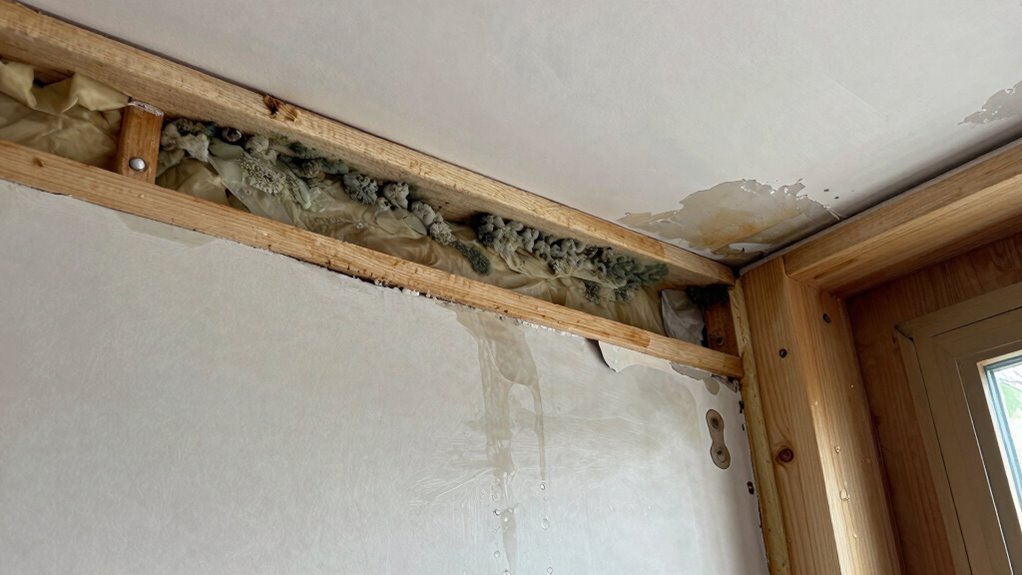
Have you ever wondered how to keep your entire home comfortable and healthy? One key aspect often overlooked in whole-home air plans is moisture regulation. While many focus on heating, cooling, and filtering air, neglecting indoor humidity can cause more problems than you realize. Without proper moisture management, even the most sophisticated ventilation system can fall short, leading to discomfort and potential damage.
Indoor humidity plays a vital role in your home’s overall air quality and comfort. If the air is too dry, you may experience dry skin, irritated eyes, and respiratory issues. Conversely, excessive humidity creates an environment ripe for mold, mildew, and dust mites, which can worsen allergies and asthma. Effective moisture control is essential because it helps maintain a balanced indoor humidity level—usually between 30% and 50%. When this balance is off, your whole-home air plan can become ineffective, leaving you feeling stuffy or clammy regardless of temperature adjustments.
Maintaining indoor humidity between 30% and 50% is key for comfort and air quality.
Ventilation efficiency is another vital factor that ties into moisture regulation. Good ventilation doesn’t just remove stale air; it also manages moisture levels. If your ventilation system isn’t designed to handle moisture properly, humidity can build up unnoticed, especially in areas like bathrooms, kitchens, or basements. This excess moisture can seep into walls, flooring, and insulation, causing structural damage over time. You might think your air system is working because it circulates air, but without adequate moisture management, you’re only masking the problem temporarily. Proper ventilation should work in harmony with moisture control strategies, such as exhaust fans or dehumidifiers, to prevent humidity from reaching problematic levels. Incorporating humidity sensors can further optimize this balance by providing real-time data on indoor conditions. Additionally, understanding moisture sources within your home can help you target specific areas that contribute to humidity issues more effectively. Recognizing air circulation patterns can also aid in improving overall moisture management, ensuring even distribution and removal of excess humidity. Addressing ventilation design is crucial to ensure that moisture is effectively expelled and not just redistributed within your home.
Many whole-home air plans fail because they overlook the importance of integrating moisture regulation into their design. A system that only filters or circulates air without addressing indoor humidity won’t provide long-term comfort or health benefits. It’s like trying to keep a plant alive without watering it—you may see some initial results, but ultimately, the environment isn’t sustainable. When moisture levels are out of control, it can also interfere with the efficiency of your HVAC system, making it work harder than necessary and increasing energy costs. Additionally, proper moisture control can help extend the lifespan of your home’s foundation and structural elements by preventing excess dampness.
In essence, your whole-home air plan must include strategies for moisture regulation to be truly effective. Proper indoor humidity levels ensure comfort and protect your home’s structure, while efficient ventilation helps remove excess moisture and pollutants. When these elements work together, your home becomes a healthier, more comfortable sanctuary. Without moisture regulation, even the most advanced air systems are incomplete, leaving you vulnerable to discomfort, damage, and higher energy bills.
As an affiliate, we earn on qualifying purchases.
Frequently Asked Questions
How Does Humidity Affect Indoor Air Quality?
Humidity greatly impacts your indoor air quality by affecting comfort and health. When humidity levels are poorly regulated, you might experience stuffy air, mold growth, or dust mites, which can trigger allergies or respiratory issues. Proper humidity regulation ensures your home stays comfortable and healthy, preventing excess moisture that compromises air quality. Maintaining balanced humidity enhances indoor comfort and reduces the risks associated with overly dry or damp environments.
What Signs Indicate Moisture Problems in a Home?
You’ll notice signs of moisture problems through mold growth on walls, ceilings, or hidden areas, often accompanied by a musty odor. Structural damage may also appear as warped, cracking, or rotting wood and drywall. Persistent condensation on windows, unexplained water stains, or paint bubbling indicate excess humidity. Addressing these signs early prevents further mold development and structural deterioration, ensuring your home remains safe and comfortable.
Can Moisture Control Improve Energy Efficiency?
Sure, managing humidity can be a game-changer for your home’s energy efficiency. When you focus on humidity management, you reduce the workload on your heating and cooling systems, leading to noticeable energy savings. Proper moisture control prevents excess dampness or dryness, making your indoor environment more comfortable. In turn, your HVAC system operates more smoothly, using less energy and helping you cut costs while maintaining a cozy, balanced home.
Are There Specific Products for Moisture Management?
Yes, there are specific products for moisture management. You can choose from various dehumidifier options to reduce excess humidity and prevent mold growth. Additionally, installing a moisture barrier can help control moisture levels in walls and floors, protecting your home’s structure. Combining these products guarantees better moisture control, which improves indoor air quality, increases energy efficiency, and maintains a comfortable, healthy living environment.
How Often Should Moisture Levels Be Tested?
You should test humidity levels regularly, ideally every three to six months, to guarantee your moisture control is effective. Humidity sensors help monitor fluctuations, revealing if your home’s moisture levels stay within the ideal range. Frequent testing identifies issues early, preventing mold and structural damage. Keep in mind, testing frequency depends on climate, seasons, and recent renovations—so stay proactive to maintain a healthy, balanced environment.
Conclusion
Without proper moisture control, your whole-home air plan can fall apart, leading to issues like mold, structural damage, and poor indoor air quality. Did you know that humidity levels above 60% can cause mold growth in just 24-48 hours? By prioritizing moisture management alongside your air system, you protect your home and loved ones from costly repairs and health risks. Take control now—moisture matters more than you think for a healthy, comfortable home.
Halloween Picks
halloween
As an affiliate, we earn on qualifying purchases.