The best time to run your HVAC fan for cleaner air is during high-activity periods, like cooking or cleaning, when indoor pollutants spike. It’s also effective during peak pollution times, such as early mornings or evenings, especially if you open windows for fresh air. Running the fan during these times helps enhance filtration, remove allergens, and keep your indoor air fresh. For more tips on optimizing your ventilation schedule, keep exploring these strategies.
Key Takeaways
- Run the fan during high-activity periods like cooking or cleaning to remove airborne particles effectively.
- Operate the fan in the mornings when windows are opened for fresh air intake.
- Schedule fan use during evenings to prevent particle buildup after daily household activities.
- Use smart systems to automatically adjust fan operation based on real-time indoor air quality data.
- Maintain filters and fans regularly to ensure optimal filtration and consistent cleaner air.
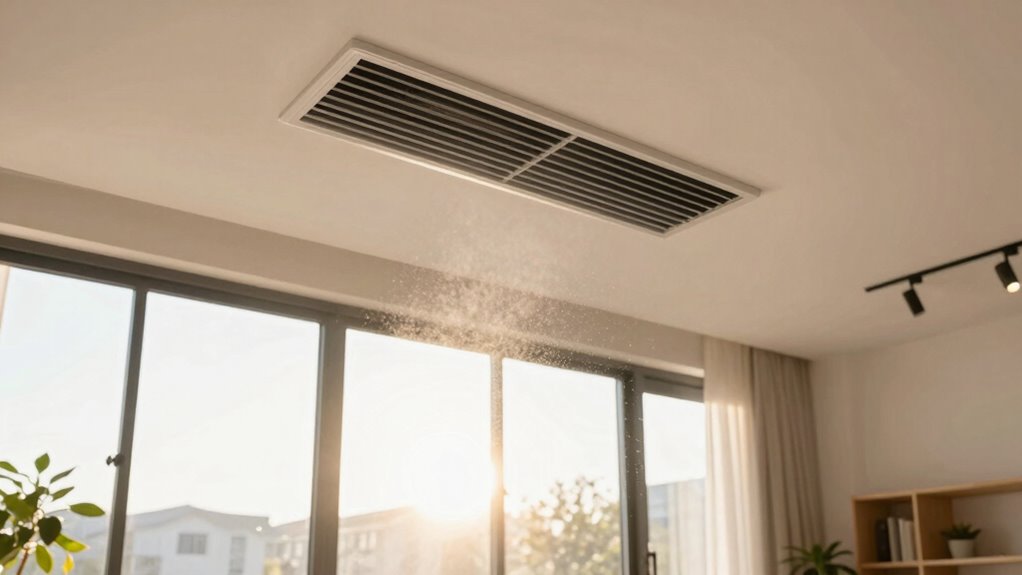
Running your HVAC fan at the right times can markedly improve indoor air quality, especially when you want cleaner, fresher air inside your home. Knowing when to run the fan helps maximize its benefits, and two key strategies—air purifier integration and ventilation scheduling—can make a significant difference. When you integrate an air purifier with your HVAC system, you enhance filtration, capturing particles like dust, pollen, and even airborne viruses. Running the fan during peak times ensures that these filters work efficiently, circulating and purifying the air throughout your space. For example, setting the fan to run more frequently during high pollen seasons or when you’re home most often helps keep allergens at bay and maintains a healthier environment.
Running your HVAC fan during peak times boosts filtration and keeps indoor air cleaner and fresher.
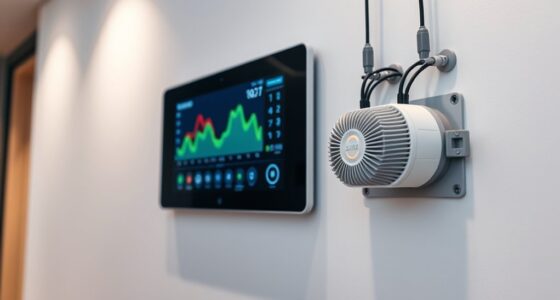
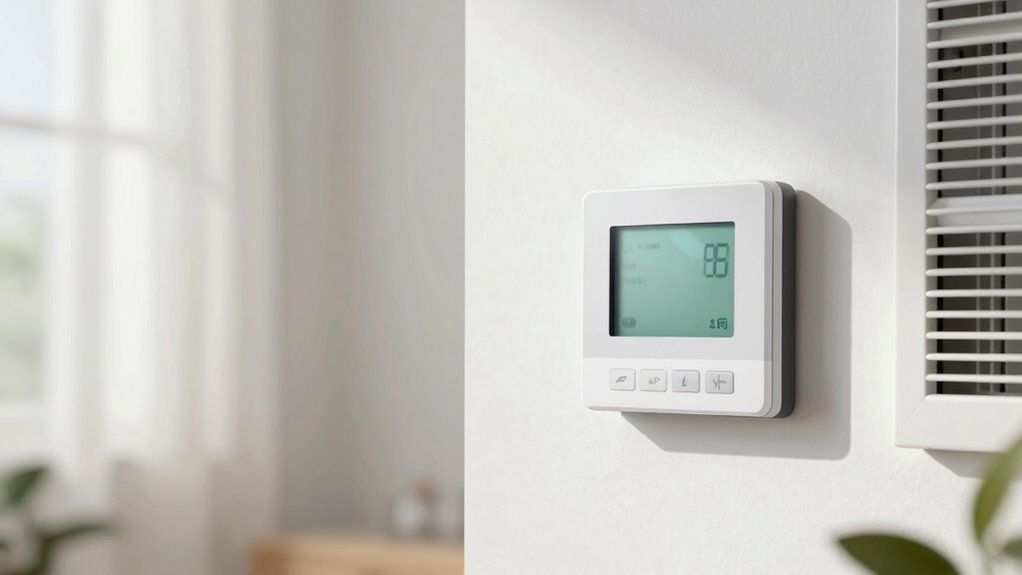
Ventilation scheduling is another crucial aspect. Instead of running the fan continuously, you can program it to operate at specific times based on your daily routine. For instance, turning on the fan during the morning hours when you’re opening windows and engaging in activities that introduce dust or odors can help dilute indoor pollutants. Similarly, scheduling the fan to run in the evening when cooking or cleaning has occurred prevents the buildup of airborne particles and odors overnight. Proper ventilation scheduling ensures that fresh air is exchanged regularly, reducing indoor contaminants and preventing stale air from lingering. Incorporating smart HVAC systems can further optimize this process by automatically adjusting fan operation based on real-time indoor air quality data.
Timing your fan operation around your home’s activity levels is essential. If you’re aware of certain times when indoor air quality tends to drop—like after a workout or a dinner party—you can proactively run the fan during those periods. Additionally, leveraging smart HVAC systems allows you to automate ventilation scheduling, ensuring that your indoor air remains consistently clean without needing manual adjustments. This automation not only saves time but also guarantees that your air purification efforts are effective and timely. Regular maintenance of filters and fans also plays a vital role in maintaining optimal air quality and system efficiency. Moreover, understanding the air exchange rate can help you determine the ideal frequency and duration for fan operation to maximize air renewal.
Incorporating air purifier integration with your HVAC system and setting strategic ventilation schedules helps you create a healthier indoor environment. When you run the fan during high-activity periods or peak pollution times, you significantly reduce airborne contaminants. As a result, you breathe easier knowing your home’s air is cleaner and fresher. The key is to be intentional about when and how long you operate your HVAC fan, optimizing both filtration and air exchange. This approach ensures you get the most out of your system, making your home a healthier, more comfortable place to be.
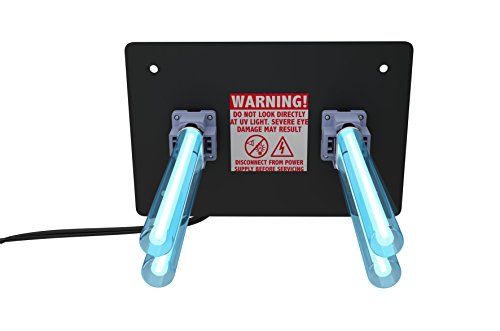
REKO Lighting R2000 Air Purifier Whole House Uv uvc Light in Duct for HVAC Ac (Air Conditioning) Duct
- European-made UV-C bulbs: Bulbs manufactured in Europe for quality
- Duct-mounted design: Install directly on HVAC ducts
- UVC 253.7NM emission: Produces effective germicidal UV-C light
As an affiliate, we earn on qualifying purchases.
As an affiliate, we earn on qualifying purchases.
Frequently Asked Questions
Does Running the Fan Increase Energy Bills Significantly?
Running the HVAC fan can increase your energy consumption, but the cost implications are usually modest if you run it intermittently. Continuous operation uses more electricity, which may raise your bills slightly. However, using the fan strategically—like during allergy seasons or when indoor air quality drops—can improve air quality without substantially impacting your energy costs. Balancing comfort and energy efficiency helps manage overall expenses effectively.
How Does Outdoor Air Quality Affect Fan Operation Timing?
Think of outdoor air quality like a weather forecast—when pollution spikes, you need to adjust your ventilation strategies. Poor outdoor air quality means running your HVAC fan more during high pollution days helps clear indoor pollution, but it might also bring in contaminants. During good outdoor air conditions, minimal fan operation is enough. Monitoring local air quality reports guides you to optimize fan timing, ensuring cleaner indoor air without unnecessary energy use.
Can Running the Fan at Night Improve Indoor Air Quality?
Running your HVAC fan at night can improve indoor air quality by increasing air circulation, which helps remove pollutants and allergens. However, you should consider noise levels, as fans may be louder during the night, potentially disturbing your sleep. If your system operates quietly enough, nighttime fan operation can be a good way to keep indoor air fresh. Just balance the benefits of cleaner air with the comfort of quiet surroundings.
Is There a Risk of Mold Growth From Continuous Fan Operation?
Running your fan continuously is like keeping a garden hose running—if it’s maintained and monitored, it prevents stagnation. There’s a slight mold risk if moisture lingers, but proper fan maintenance and good ventilation minimize this. To guarantee mold prevention, regularly clean filters and vents. If you notice excess humidity or condensation, it’s wise to turn off the fan temporarily and address moisture issues promptly.
How Often Should I Change My HVAC Filters for Optimal Air Quality?
You should change your HVAC filters every 1 to 3 months to guarantee ideal air quality. Regular air filter maintenance helps trap dust, allergens, and pollutants effectively. Adjust your fan operation frequency based on your needs—running the fan continuously can improve air circulation but may also increase filter wear. Check your filters more often if you have pets or allergies, and replace them promptly to maintain a healthy indoor environment.
Conclusion
Running your HVAC fan at the right times is like tending a delicate garden—you nurture the air quality, allowing crisp, clean air to flourish around you. By running the fan during high pollution times or when you’re home, you act as the gardener, clearing out the dust and allergens. Remember, your home’s air is a precious bloom—tend to it wisely, and it’ll reward you with a breath of pure, revitalizing life every day.