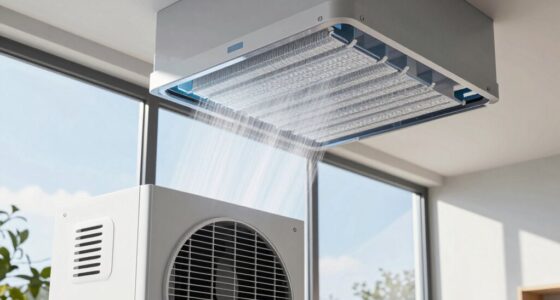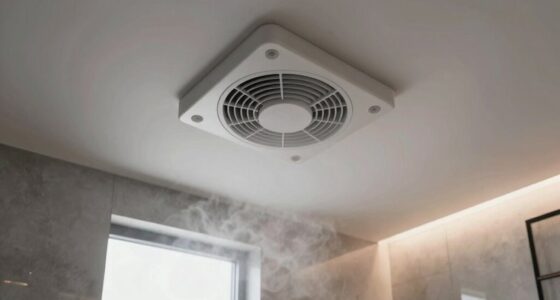
Bathrooms and kitchens are the first to face ventilation issues because they produce the most moisture, odors, and airborne contaminants that can quickly lead to mold and poor air quality. These spaces often have limited airflow, especially if vents are blocked or undersized. Without proper ventilation, humidity condenses on surfaces and creates a damp environment. To understand how to prevent these problems and improve airflow, keep exploring the causes and solutions.
Key Takeaways
- Bathrooms and kitchens generate high humidity and airborne contaminants, leading to moisture buildup and poor air quality.
- These spaces often have limited natural ventilation, trapping moisture and odors.
- Ineffective or blocked vents hinder proper moisture removal, exacerbating mold growth.
- Frequent use and moisture production make maintenance and proper airflow crucial in these areas.
- Design flaws or inadequate ventilation systems in these spaces cause them to be the first to experience ventilation issues.
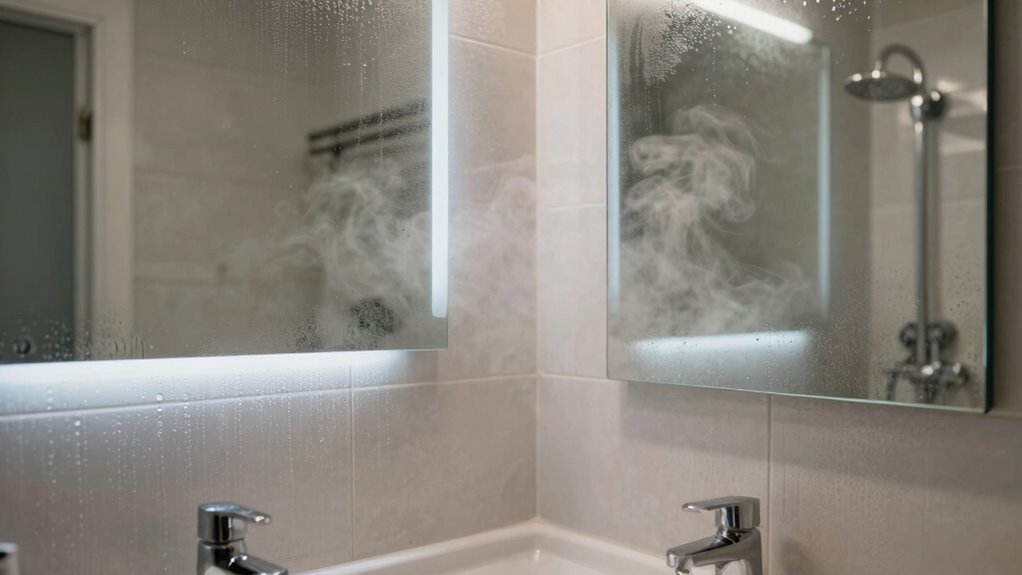
Have you ever noticed lingering odors, excess moisture, or mold growth in your bathrooms and kitchens? These spaces tend to be common trouble spots for ventilation problems, and for good reason. They generate a lot of humidity and airborne contaminants, making proper airflow essential to keep them fresh and safe. When ventilation isn’t effective, moisture can linger, creating the perfect environment for mold to thrive. This is why bathrooms and kitchens are often the first areas to experience ventilation issues — they’re naturally prone to high humidity and airborne pollutants.
Bathrooms and kitchens are prone to moisture and odors, making proper ventilation essential for a healthy, mold-free environment.
You might not realize it, but airflow efficiency plays a key role in preventing these problems. When your ventilation system isn’t moving air effectively, moisture and odors become trapped, leading to stuffy, damp environments. Poor airflow can also cause stale air to stagnate, increasing the risk of mold growth. In bathrooms and kitchens, where water and steam are constantly produced, inadequate ventilation quickly turns into a bigger issue. It becomes harder to control humidity levels, and mold spores can settle and multiply on walls, ceilings, and fixtures. Ensuring proper ventilation system maintenance is crucial to maintaining optimal airflow and preventing these issues.
Good airflow efficiency isn’t just about removing unpleasant smells; it’s a crucial part of mold prevention. When air moves properly, moisture is carried away quickly, lowering the chances of mold spores settling and growing. Without adequate ventilation, moisture can condense on surfaces, especially in corners or behind fixtures. Over time, this condensation fuels mold development, which not only damages surfaces but also poses health risks. Proper ventilation ensures that humidity stays within safe limits, making it easier to keep these rooms clean and mold-free. Additionally, designing spaces that promote natural ventilation can significantly enhance airflow and reduce reliance on mechanical systems.
Another reason these areas are prone to ventilation problems is their design and usage. Bathrooms and kitchens often have smaller, enclosed spaces that trap heat and moisture. Ventilation fans, if not properly maintained or sized for the room, won’t do enough to move the air out efficiently. This leads to a cycle where moisture accumulates faster than it can be removed. Additionally, poorly designed exhaust systems or blocked vents further reduce airflow efficiency, making mold prevention even more difficult. Because of this, these rooms need targeted attention to guarantee that air is circulating properly and moisture is being effectively expelled.
In short, bathrooms and kitchens are the first to encounter ventilation problems because they’re inherently prone to moisture and odors. Improving airflow efficiency and focusing on mold prevention can make a significant difference. When you prioritize proper ventilation, you create a healthier environment, reduce mold risks, and keep these spaces fresh and comfortable. Recognizing the importance of good airflow in these areas is the key to maintaining a well-ventilated, mold-free home. Proper biodiversity and sustainable living practices can also support healthier indoor environments by encouraging natural ventilation methods and eco-friendly solutions.

Broan-NuTone Bathroom Exhaust Fan, 50 CFM Modern Grille, Energy Star Fan, 2.0 Sones
- Ventilation Capacity: 50 CFM for small bathrooms
- Energy Efficiency: Energy Star Certified, 2.0 Sones
- Easy Installation: No-cut, attic access not required
As an affiliate, we earn on qualifying purchases.
As an affiliate, we earn on qualifying purchases.
Frequently Asked Questions
How Do I Know if My Ventilation System Is Working Properly?
You can tell if your ventilation system works properly by checking airflow efficiency; if fresh air flows smoothly and moisture or odors clear quickly, it’s functioning well. Regular ventilation maintenance is key—clean vents and filters prevent blockages. Also, listen for strange noises or weak airflow, which indicate issues. If in doubt, a professional inspection guarantees your system operates effectively, keeping bathrooms and kitchens fresh and safe.
Are There Specific Ventilation Solutions for Small Bathrooms and Kitchens?
Imagine a small space where steam and odors linger, making you uncomfortable. For tiny bathrooms and kitchens, consider compact ventilation options like wall-mounted exhaust fans or powerful window fans that fit snugly. These solutions effectively remove moisture and smells without cluttering your space. Look for energy-efficient models with adjustable speeds to customize airflow, ensuring your small space stays fresh and odor-free, no matter how tight the squeeze.
How Often Should I Clean or Replace Ventilation Filters?
You should clean or replace your ventilation filters every 3 to 6 months, depending on usage and filter type. Regular filter maintenance guarantees maximum airflow and prevents buildup of dust and moisture, which can cause mold growth. Check your filters monthly, especially in bathrooms and kitchens where humidity is higher. Replace filters more frequently if you notice reduced airflow or increased dust. Staying on top of filter replacement frequency keeps your ventilation system effective and your space healthier.
Can Poor Ventilation Lead to Mold Growth?
Poor ventilation acts like a trap for moisture buildup, turning your bathroom or kitchen into a breeding ground for mold. Without proper airflow, damp air lingers, inviting mold to take root and spread unseen. To prevent this, make sure your vents work efficiently, and maintain good airflow. Proper ventilation is your best mold prevention shield, keeping humidity levels in check and stopping mold from turning your space into a hidden nightmare.
What Are the Health Risks Associated With Inadequate Bathroom and Kitchen Ventilation?
Inadequate bathroom and kitchen ventilation can harm your health by lowering air quality and making it harder to control odors. Poor airflow traps moisture, mold spores, and airborne pollutants, leading to respiratory issues, allergies, and asthma flare-ups. You might also experience headaches or fatigue from lingering odors and airborne chemicals. Enhancing ventilation helps maintain fresh air, reduces health risks, and guarantees a healthier living environment for you and your family.
Conclusion
In bathrooms and kitchens, poor ventilation leads to moisture buildup, odors, and mold growth. Without proper airflow, you face increased health risks, damage to your walls, and lingering smells. Addressing these issues means you improve air quality, prevent damage, and create a healthier living space. Prioritize ventilation, guarantee airflow, and maintain these rooms regularly. Because when you focus on proper ventilation, you protect your home, preserve your health, and enjoy a fresher, cleaner environment every day.