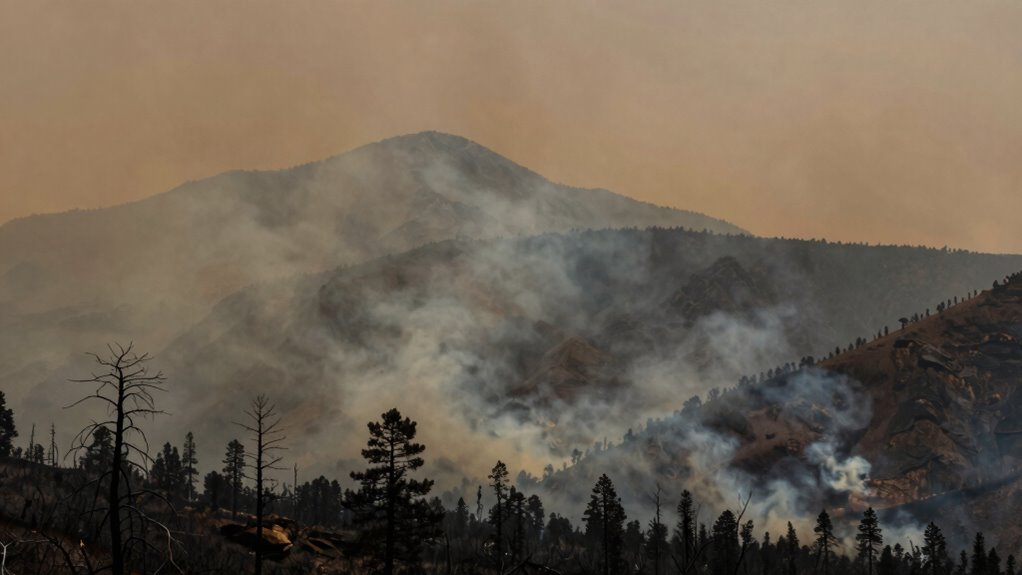

Before wildfire smoke arrives, you need to modify your filter strategy to protect your indoor air quality and health. Upgrading to high-efficiency filters like HEPA and sealing gaps around windows and doors helps prevent smoke from entering. Turning off ventilation systems that pull outside air minimizes contamination. Taking these proactive steps ensures you’re prepared when outdoor air quality worsens. Keep exploring to learn more about effective wildfire season strategies to stay safe indoors.

Get garden gear delivered free — and shop member deals
- Fast, free delivery on millions of items
- Access to Prime Big Deal Days deals on October 6–7
- Prime Video, Amazon Music and more included
Key Takeaways
- Adjusting filters early prevents indoor air quality decline when outdoor smoke begins to infiltrate.
- Upgrading filtration systems in advance ensures readiness for increased particulate matter during wildfire season.
- Proactive sealing and ventilation adjustments reduce the risk of smoke entering indoor spaces.
- Early planning minimizes health risks from harmful pollutants during sudden smoke events.
- Monitoring outdoor air quality guides timely filtration strategy changes for better indoor air protection.
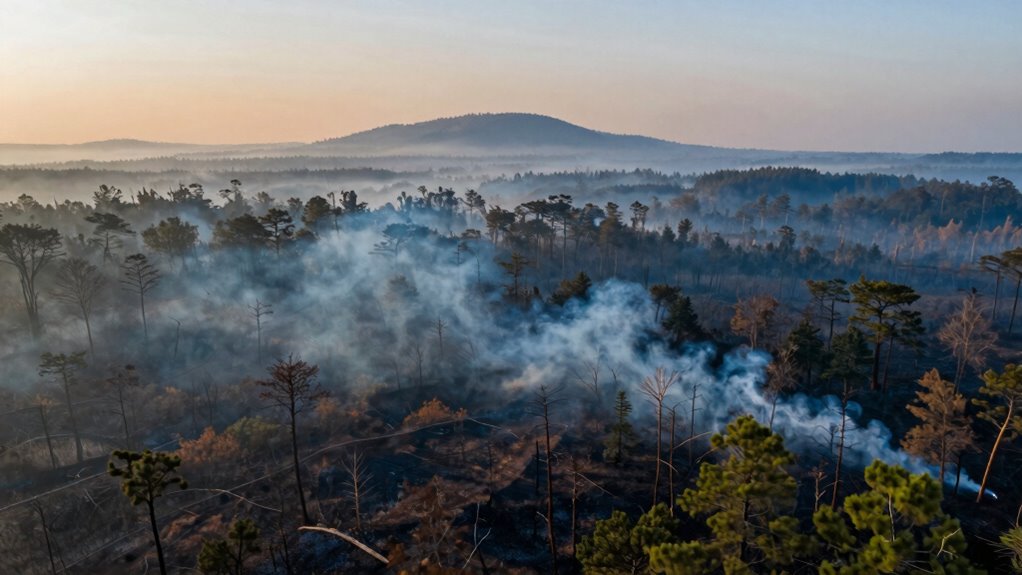
As wildfire season approaches, it’s vital to adjust your filter strategy before smoke actually arrives. Preparing in advance helps you maintain better air quality management and safeguards your health during periods of heavy smoke. Wildfires produce fine particulate matter that can infiltrate your home, making it essential to upgrade your filtration systems well before the first smoke plume appears. By doing so, you’re not only protecting your indoor air but also reducing potential health risks associated with inhaling harmful pollutants. It’s a proactive step that aligns with wildfire preparedness, enabling you to respond swiftly when the air quality worsens outside.
Prepare your filters early to improve indoor air quality and protect health during wildfire season.
During wildfire season, standard filters may no longer be sufficient. You’ll want to switch to high-efficiency particulate air (HEPA) filters or other advanced filtration systems designed to trap tiny smoke particles. These filters can remove over 99% of airborne pollutants, markedly improving indoor air quality during smoky conditions. It’s a smart move to check your current filters and replace them early, as filters can become clogged more quickly during wildfire events, reducing their effectiveness. Keeping spare filters on hand ensures you won’t be caught off guard when the smoke starts to settle in.
In addition to upgrading your filters, consider sealing gaps around doors and windows to prevent smoke infiltration. Air quality management isn’t just about filtering indoor air but also minimizing outdoor air coming inside. Ventilation systems should be adjusted or turned off if they pull in outside air, and you might want to install air purifiers in common areas to provide an extra layer of protection. These preparations form part of your wildfire preparedness plan, helping you maintain healthier indoor air even when outdoor pollution levels spike. Being aware of air filtration technology can help you choose the most effective systems for your home. Proper filtration systems can significantly reduce indoor pollution and protect your household from the adverse effects of wildfire smoke.
Additionally, it’s helpful to understand how air quality monitoring can assist in making timely decisions about when to increase filtration efforts.
HEPA air purifier for wildfire smoke
As an affiliate, we earn on qualifying purchases.
As an affiliate, we earn on qualifying purchases.
Frequently Asked Questions
How Do Weather Forecasts Influence Filter Strategy Adjustments?
Weather forecasts influence your filter strategy by predicting wildfire smoke and poor outdoor air quality, prompting you to update filters proactively. You focus on indoor air quality by choosing high-efficiency filters during smoky periods, which help capture fine particles. This adjustment also extends filter longevity, preventing damage from increased pollutants. Monitoring forecasts allows you to stay ahead, ensuring healthier indoor air while maintaining your filter’s performance efficiently.
What Technological Tools Assist in Predicting Wildfire Smoke Arrival?
You’ll find sensor technology essential in predicting wildfire smoke arrival, with air quality sensors providing real-time data that helps you act proactively. Remarkably, these sensors can detect smoke particles up to 48 hours before air quality declines considerably. This early warning allows you to adjust filter strategies accordingly, ensuring indoor air remains safe. By leveraging advanced sensor technology, you stay ahead of smoke impacts and protect your indoor environment effectively.
How Do Local Communities Prepare for Changing Filter Needs?
You can prepare for changing filter needs by staying informed about wildfire activity and improving indoor air quality. Keep community awareness high by sharing updates and safety tips. Regularly change your air filters, especially before smoke arrives, to ensure effective filtration. Use high-efficiency filters and consider air purifiers. Planning ahead helps protect your health and supports your community’s resilience during wildfire season.
Are There Health Risks Associated With Delayed Filter Changes?
Yes, delaying filter replacement can pose health risks because indoor air quality may decline, increasing your exposure to airborne particles and pollutants. When filters aren’t changed regularly, they become less effective at trapping harmful particles, which can worsen respiratory issues or trigger allergies. To protect your health, it’s essential to follow a proper schedule for filter replacement, especially during wildfire season when smoke and pollutants are more prevalent.
How Often Should Filters Be Inspected During Wildfire Season?
Think of your home’s air quality like a garden that needs constant tending. During wildfire season, you should inspect your filters every month, especially as smoke levels rise. Regular filter maintenance guarantees clean air and effective protection. If filters look dirty or clogged, replace them promptly. This proactive approach keeps indoor air fresh, minimizes health risks, and maintains ideal airflow, helping you breathe easier amidst wildfire threats.
Conclusion
As wildfire seasons shift unexpectedly, you realize that adjusting your filter strategy isn’t just about air quality—it’s about staying ahead of the unseen dangers. Coincidences like unanticipated smoke serve as quiet reminders to remain vigilant and prepared. When the air changes suddenly, you’re reminded how life often tests your readiness. By adapting early, you protect yourself and those you love, turning coincidence into a conscious choice for safety amid nature’s unpredictable dance.
Fall yard work Picks
leaf blowers
As an affiliate, we earn on qualifying purchases.