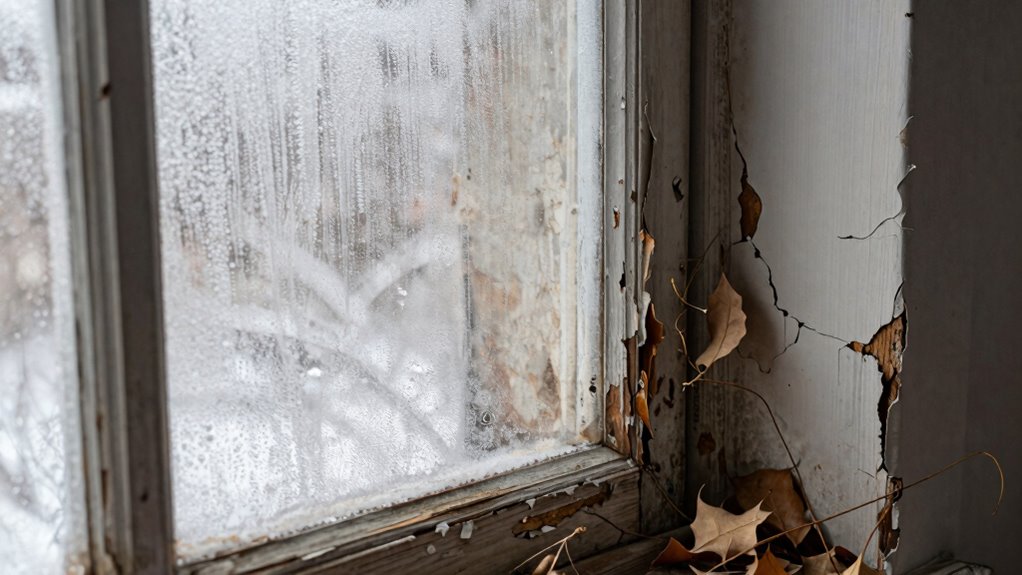

Winter dryness is a whole-home building problem because low indoor humidity causes materials like wood and drywall to shrink, creating gaps, cracks, and air leaks. These issues can lead to drafts, water intrusion, and compromised structural integrity, which in turn increase energy costs and reduce comfort. Dry air also affects your health and shortens the lifespan of furniture and finishes. Understanding how to manage humidity can help protect your home and save money—learn more about how to prevent these problems.
Key Takeaways
- Winter dryness causes indoor materials to shrink, creating gaps that compromise insulation and structural integrity.
- Low humidity increases air leaks, reducing energy efficiency and raising heating costs.
- Dry conditions lead to cracking and warping of wood furniture, flooring, and interior finishes.
- Insufficient moisture balance affects occupant health, increasing susceptibility to respiratory issues and infections.
- Lack of proper maintenance and ventilation worsens moisture imbalance, amplifying long-term building deterioration.
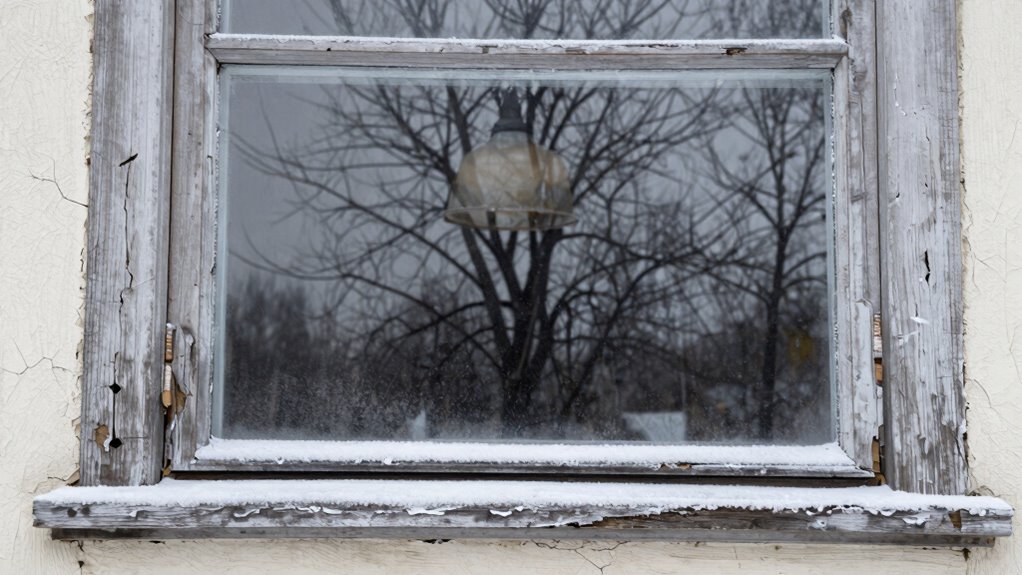
Winter dryness can considerably impact your home’s comfort and integrity if not properly addressed. As the cold months settle in, the air inside your house tends to become much drier, which can lead to a series of problems that go beyond just feeling uncomfortable. One of the key issues is the alteration in indoor humidity levels. When indoor humidity drops markedly, it affects not only your comfort but also the very structure of your home. Low humidity causes materials like wood, drywall, and other building components to lose moisture and shrink. This process, known as material expansion, can create gaps, cracks, and other vulnerabilities in your home’s structure, which might seem minor at first but can lead to bigger issues over time. Using digital tools to monitor indoor humidity levels can help you maintain optimal conditions and prevent these problems.
You might notice that doors and windows start sticking or that cracks appear in your walls and ceilings. These changes aren’t just cosmetic; they reflect a shift in how your home’s materials respond to the dry air. When materials shrink due to low indoor humidity, they pull away from each other, creating pathways for drafts, air leaks, and even water intrusion. Over time, this can compromise your home’s energy efficiency, making it harder to keep a consistent, comfortable temperature and increasing heating costs. If you neglect these issues, the structural integrity of your home can be at risk, leading to costly repairs down the line. Maintaining proper home maintenance practices can help prevent many of these issues before they worsen. Additionally, ensuring proper ventilation can help balance indoor moisture levels and reduce the risk of mold growth and other indoor air quality issues. Properly managing humidity also contributes to preventing material shrinkage, which is vital for preserving your home’s longevity. Addressing indoor air quality concerns is essential, as dry air can also negatively affect your health and overall well-being.
Beyond structural concerns, winter dryness can also impact your home’s interior environment. Low humidity can cause wood furniture, flooring, and trim to crack or warp, diminishing their appearance and lifespan. Additionally, dry air can dry out your skin, exacerbate respiratory issues, and increase susceptibility to colds and flu. Maintaining proper indoor humidity levels helps mitigate these problems, keeping your home healthier and more comfortable. Using humidifiers and sealing drafts are practical steps to balance indoor humidity and prevent material shrinkage.
As an affiliate, we earn on qualifying purchases.
Frequently Asked Questions
How Does Winter Dryness Affect Indoor Air Quality?
Winter dryness worsens indoor air quality by reducing humidity, which can cause your skin and respiratory system to dry out. It also encourages indoor mold growth and airborne allergens to become more concentrated, making allergies and asthma worse. As the air dries out, dust and other particles become airborne more easily, increasing respiratory irritation. To improve air quality, you should add moisture and guarantee proper ventilation in your home during winter.
Can Winter Dryness Cause Structural Damage Over Time?
Yes, winter dryness can cause structural damage over time. When seasonal moisture levels drop, wood and other building materials lose their natural moisture content, leading to cracks, warping, and weakening of structural components. This ongoing process can compromise your home’s structural integrity, making it more vulnerable to damage. To prevent this, you should maintain proper indoor humidity levels and address any signs of moisture imbalance promptly.
What Are the Best Ways to Measure Indoor Humidity Levels?
You should use humidity sensors and moisture meters to accurately measure indoor humidity levels. Humidity sensors provide real-time readings on your thermostat or smart devices, helping you maintain ideal levels. Moisture meters are useful for checking specific materials or areas, like walls or floors. Regularly monitoring with these tools allows you to prevent dryness, protect your home’s structure, and guarantee a comfortable living environment during winter months.
How Does Insulation Influence Winter Dryness Issues?
Insulation influences winter dryness issues by improving your home’s insulation effectiveness, which helps maintain consistent indoor humidity levels. Properly installed insulation, especially with moisture barriers, prevents dry air from escaping and stops moisture from entering walls, reducing overall dryness. When insulation and moisture barriers work together, they create a more stable indoor environment, keeping humidity balanced and preventing the discomfort and damage caused by winter dryness.
Are There Specific Building Materials Better Suited for Winter Conditions?
Did you know that materials with high moisture resistance can reduce indoor humidity issues by up to 40%? For winter conditions, choose building materials known for their durability and resistance to moisture, like fiber cement, engineered wood, or insulated concrete forms. These materials help prevent moisture buildup, maintain structural integrity, and improve indoor comfort. Prioritizing such options keeps your home dry and resilient during the harsh winter months.
Conclusion
Winter dryness isn’t just a minor annoyance—it’s a full-blown crisis that can turn your home into a crackling, shrinking nightmare. By understanding how it affects your entire house, you can take action to protect your space and your sanity. Don’t let the cold, dry air win! With the right strategies, you’ll keep your home comfortable and intact, proving that even in winter, a well-maintained home is a fortress against nature’s harshest whims.