
WELL crosswalks help you align indoor air quality (IAQ) requirements across standards like RESET and LEED, making certification easier and more efficient. By understanding overlapping criteria, you can reduce redundancies and use strategies such as continuous IAQ monitoring and pollutant source control to meet multiple standards simultaneously. This integration promotes healthier indoor environments and streamlines your certification process. Exploring these crosswalks further reveals how to optimize your building’s IAQ initiatives for better occupant health.
Key Takeaways
- Crosswalks identify overlapping IAQ requirements, simplifying compliance across WELL, RESET, and LEED standards.
- Aligning ventilation and pollutant control practices enhances certification efficiency in all frameworks.
- Continuous IAQ monitoring via RESET supports WELL’s health goals and demonstrates compliance.
- Leveraging shared strategies reduces redundancies and streamlines certification processes.
- Incorporating best practices from each standard promotes healthier, more sustainable indoor environments.

Have you ever wondered how the WELL Building Standard aligns with other sustainability and health frameworks? If you’re focused on creating healthier indoor environments, understanding these alignments can help streamline your certification process and ensure your building promotes ideal indoor air quality. WELL’s core focus on indoor air quality (IAQ) emphasizes the importance of clean, fresh air for occupant health. To achieve this, WELL aligns with several certification standards that share similar goals, making it easier for you to meet multiple sustainability and health criteria simultaneously.
One key standard in this crosswalk is RESET, developed by the International WELL Building Institute (IWBI). RESET focuses specifically on indoor environmental quality, especially IAQ. It sets rigorous thresholds for air quality monitoring, ventilation, and pollutant levels, ensuring indoor spaces maintain ideal air conditions. When you pursue WELL certification, aligning with RESET standards means implementing continuous IAQ monitoring systems, controlling sources of indoor air pollution, and maintaining proper ventilation rates. This synergy helps you meet WELL’s indoor air requirements more effectively while also earning RESET’s recognition for indoor environmental excellence.
Similarly, LEED (Leadership in Energy and Environmental Design) offers certification standards that complement WELL’s focus on indoor air. LEED emphasizes sustainable site development, water efficiency, energy savings, and indoor environmental quality. Its Indoor Environmental Quality (EQ) credits include measures for improving IAQ, such as using low-emitting materials, ensuring proper ventilation, and controlling indoor pollutants. By aligning your project with LEED standards, you can incorporate best practices like enhanced ventilation systems, air filtration, and pollutant source control. This not only boosts your chances of achieving LEED certification but also supports WELL’s indoor air objectives.
The crosswalks between WELL, RESET, and LEED provide a strategic advantage. They help you identify overlapping requirements, reducing redundancies and streamlining your path to certification. For example, good ventilation practices recommended by LEED directly support WELL’s indoor air standards, and RESET’s real-time monitoring can demonstrate compliance with WELL’s IAQ criteria. These standards foster a holistic approach to indoor air quality, encouraging you to implement the best practices from each framework for healthier, more sustainable buildings.
In essence, understanding how WELL aligns with certification standards like RESET and LEED empowers you to design and operate spaces that prioritize indoor air quality. It simplifies compliance, enhances building performance, and ultimately creates healthier environments for occupants. By leveraging these crosswalks, you ensure your project meets the highest standards of sustainability and occupant well-being, making your building a model of health-conscious design. Additionally, incorporating smart sensor technology can help continuously monitor and improve indoor air quality in real time, aligning with the latest IAQ practices.

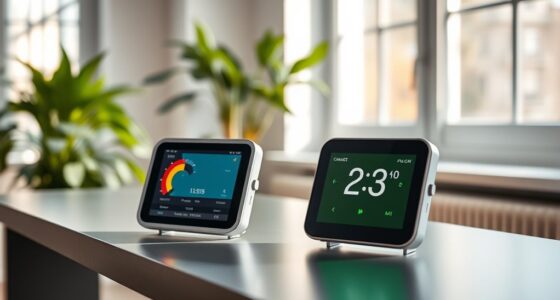
16 in 1 Air Quality Monitor Indoor 7" Large Display 9 AQI+7 Alerts, Wildfire CO2 Monitor Air Quality Tester for CO2, TVOC, PM2.5 PM1.0 PM10, HCHO Temperature Humidity AQI & Time Air Meter for Home
- 16-in-1 Air Quality Monitoring: Detects 9 key air parameters
- Large 7-inch Display: Clear, bright air quality readings
- Multiple AQI Alerts: 7 alert buzzers for safety
As an affiliate, we earn on qualifying purchases.
As an affiliate, we earn on qualifying purchases.
Frequently Asked Questions
How Do WELL Crosswalks Influence Building Material Choices?
WELL crosswalks influence your material selection by emphasizing products that improve indoor air quality. You’re encouraged to choose low-emission materials and those with verified IAQ benefits, which helps reduce pollutants and allergens. This focus guides you to prioritize healthier building materials, ultimately creating safer, more comfortable indoor environments. By aligning your choices with WELL standards, you guarantee your building supports better indoor air quality for occupants.
Are WELL Crosswalks Applicable to Existing Building Certifications?
Yes, WELL Crosswalks apply to existing building certifications by helping you align your indoor air quality practices with recognized standards. They guide you in meeting certification criteria focused on indoor air, ensuring your building maintains healthier indoor environments. By following these crosswalks, you can streamline your certification process, improve indoor air quality, and demonstrate your commitment to sustainable, health-focused design standards.
What Are the Cost Implications of Implementing WELL Crosswalks?
Implementing WELL crosswalks involves some implementation expenses, but you’ll want to conduct a thorough financial analysis to understand the true cost. These costs include adjusting existing systems, staff training, and potential certification fees. While initial expenses may seem significant, aligning with WELL standards can boost building value and occupant health. Overall, carefully evaluating these implementation expenses helps you weigh the long-term benefits against upfront costs.
How Do WELL Crosswalks Integrate With Local Building Codes?
You’ll find that WELL crosswalks often complement local building codes by emphasizing IAQ and safety standards, making code compliance smoother. When you actively engage stakeholders, including code officials, designers, and contractors, you guarantee everyone’s on the same page. This collaboration helps identify potential conflicts early, allowing you to adapt strategies seamlessly. As a result, integrating WELL crosswalks with local codes becomes a coordinated effort that streamlines project approval and enhances overall building health.
Can WELL Crosswalks Improve Occupant Productivity Directly?
Yes, WELL crosswalks can directly improve occupant productivity by enhancing indoor air quality and occupant comfort. When indoor air is clean and well-ventilated, you’ll notice better focus, fewer health issues, and increased efficiency. These crosswalks promote standards that prioritize IAQ, ensuring environments support your well-being. As a result, your productivity benefits from healthier, more comfortable indoor spaces that meet recognized wellness benchmarks.
Conclusion
By understanding how WELL crosswalks align with RESET and LEED standards, you can create indoor environments that are healthier and more sustainable—like a well-tuned orchestra. This alignment simplifies your path to certification and guarantees you’re addressing IAQ thoroughly. Embracing these standards is like adding a compass to your journey, guiding you toward better air quality and a more comfortable space. Stay informed, stay proactive, and breathe easier knowing you’re making a positive impact.