
VOCs, or volatile organic compounds, can cause immediate symptoms like eye, throat, or nose irritation, headaches, and dizziness, especially in poorly ventilated spaces. Long-term exposure may lead to respiratory issues, asthma, neurological problems, and even certain cancers. Poor ventilation and the use of VOC-emitting products increase your risk. Understanding how to reduce your exposure and improve indoor air quality can help protect your health—continue exploring to learn more about managing VOC dangers effectively.
Key Takeaways
- Elevated VOC levels can cause immediate symptoms like eye, nose, and throat irritation, headaches, and dizziness.
- Chronic exposure to VOCs is linked to respiratory diseases, neurological issues, and increased risk of certain cancers.
- Sick Building Syndrome is often caused by high VOC concentrations in poorly ventilated indoor environments.
- Use of VOC-emitting products and inadequate ventilation increase long-term health risks.
- Implementing low-VOC products and proper ventilation strategies can significantly reduce health effects associated with VOC exposure.

Volatile organic compounds (VOCs) are chemicals that easily evaporate into the air, often found in household products, paints, and cleaning supplies. When you think about indoor air quality, VOCs are a major concern because they can substantially impact your health. Many indoor environments have elevated VOC levels, especially in poorly ventilated spaces, making it essential to understand how these chemicals affect you. To protect yourself, it’s important to be aware of VOC exposure limits, which are set by health authorities to minimize health risks. These limits help you gauge safe levels and take steps to reduce exposure, especially if you notice symptoms like headaches, dizziness, or respiratory irritation.
Your indoor air quality directly influences your overall health, and VOCs are a key factor. When VOC concentrations rise beyond recommended exposure limits, you may experience acute symptoms such as eye, nose, or throat irritation, and in some cases, more severe reactions like asthma attacks or allergic responses. Over time, chronic exposure to elevated VOC levels can contribute to long-term health issues. For example, some VOCs are linked to respiratory diseases, neurological effects, or even certain cancers. The risk increases if your home contains frequently used products like air fresheners, adhesives, or new furniture that off-gas chemicals. Improving indoor air quality involves not only reducing VOC levels but also ensuring that ventilation systems are effective enough to dilute indoor pollutants.
Indoor air quality impacts health; elevated VOCs can cause irritation, asthma, or long-term health issues—ventilation and product choices matter.
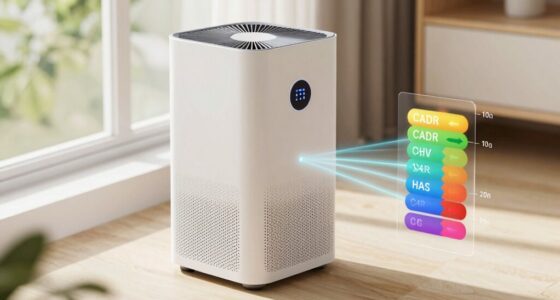
You can take practical steps to limit VOC exposure and maintain better indoor air quality. Use low-VOC or zero-VOC products whenever possible, and opt for natural alternatives. Keep your living space well-ventilated, especially after using paints or cleaning supplies. Regularly air out rooms to allow fresh air in and help disperse accumulated chemicals. Additionally, maintaining your HVAC system, using air purifiers equipped with activated carbon filters, and avoiding smoking indoors can markedly lower VOC concentrations. Monitoring indoor air quality with sensors can also help you identify when VOC levels spike, so you can take immediate action. Understanding VOC off-gassing and its impact can help you better manage indoor pollutants and health risks.
Understanding VOC exposure limits is vital for your health. These guidelines are established to prevent harmful effects from chemical exposure, but they are only effective if you actively manage your environment. By staying informed and making conscious choices about the products you bring into your home, you can greatly reduce your risk of adverse health effects. Ultimately, prioritizing good indoor air quality and adhering to recommended VOC exposure limits helps you create a safer, healthier living environment where you can breathe easier and avoid the long-term health consequences associated with VOC exposure.

MOOKA Air Purifiers for Home Large Room up to 1076ft², H13 True HEPA Air Filter Cleaner, Odor Eliminator, Remove Smoke Dust Pollen Pet Dander, Night Light, B-D02L White
- Large Coverage Area: Covers up to 1076 ft² with 6 air changes/hour
- High-Efficiency Filtration: Captures pet hair, dander, smoke, and dust
- True HEPA Filter: Removes airborne particles as small as 0.3 microns
As an affiliate, we earn on qualifying purchases.
As an affiliate, we earn on qualifying purchases.
Frequently Asked Questions
How Long Does It Take for VOCS to Affect Health After Exposure?
VOCs can affect your health within hours to days after exposure, depending on exposure latency and individual sensitivity. Short-term effects like headaches or irritation may develop quickly, while chronic health issues, such as respiratory problems or chronic diseases, often take months or years of ongoing exposure. Your body’s response varies, but early symptoms can signal the start of health development issues linked to VOCs.
Are Some VOCS More Dangerous Than Others?
Imagine walking into a room where some VOCs drift like invisible shadows, more toxic than others. Certain VOCs pose greater health risks due to chemical variability and toxicity levels. You should know that some, like formaldehyde, are more dangerous, causing immediate irritation or long-term health issues. So, always be cautious—some VOCs are more hazardous, and understanding their toxicity helps you better protect yourself from harmful exposure.
Can VOC Levels Be Reduced Quickly in Indoor Environments?
Yes, you can reduce VOC levels quickly by using air purifiers with activated carbon filters and improving ventilation. Running an air purifier helps trap and remove VOCs from indoor air, while increasing fresh air exchange dilutes their concentration. Open windows and doors when possible, and use exhaust fans to speed up the process. These steps can markedly lower VOC levels, making your indoor environment safer in a short amount of time.
Do VOCS Pose Risks for Children and Pregnant Women?
VOCs do pose risks for vulnerable populations like children and pregnant women, as their developing systems are more sensitive to chemical exposures. You should prioritize exposure mitigation by increasing ventilation, avoiding VOC-emitting products, and using air purifiers. Taking these steps helps reduce health risks for these groups, ensuring a safer indoor environment. Always stay informed about VOC levels and minimize exposure whenever possible to protect their health.
What Are the Most Effective Long-Term Prevention Strategies?
You should focus on long-term prevention strategies like improving ventilation and choosing effective air purifiers. Did you know that proper ventilation can reduce VOC levels by up to 50%? Regularly updating your ventilation system and selecting air purifiers with HEPA filters help eliminate indoor VOCs. Keep windows open when possible, and maintain your HVAC filters. These steps considerably lower your risk of health issues caused by VOC exposure over time.
Conclusion
As you breathe in these invisible whispers, remember they carry more than scent—they carry stories of health. VOCs are like silent messengers, shaping your well-being one breath at a time. By understanding their influence, you take control, turning the tide from sickness to health. Let each inhalation symbolize your choice to clear the air, to restore balance, and to embrace a future where your environment nurtures, not harms, your very essence.