Using low-cost sensors for community air quality monitoring lets you easily and affordably track pollution levels in your neighborhood. They make air quality data accessible without the high costs of official stations, encouraging broader participation. To get reliable information, you’ll want to regularly calibrate your sensors and use visualization tools like dashboards or maps. By understanding these steps, you’ll discover ways to improve local air quality and protect community health—more helpful tips await you as you continue exploring.

Get garden gear delivered free — and shop member deals
- Fast, free delivery on millions of items
- Access to Prime Big Deal Days deals on October 6–7
- Prime Video, Amazon Music and more included
Key Takeaways
- Calibrate sensors regularly using official reference monitors to ensure accurate pollution readings.
- Implement simple, community-friendly calibration techniques suitable for ongoing maintenance.
- Use data visualization tools like heat maps and dashboards to identify pollution hotspots and patterns.
- Combine sensor data with weather and environmental information for better context and analysis.
- Engage local communities through transparent data sharing and interactive visualizations to promote action.
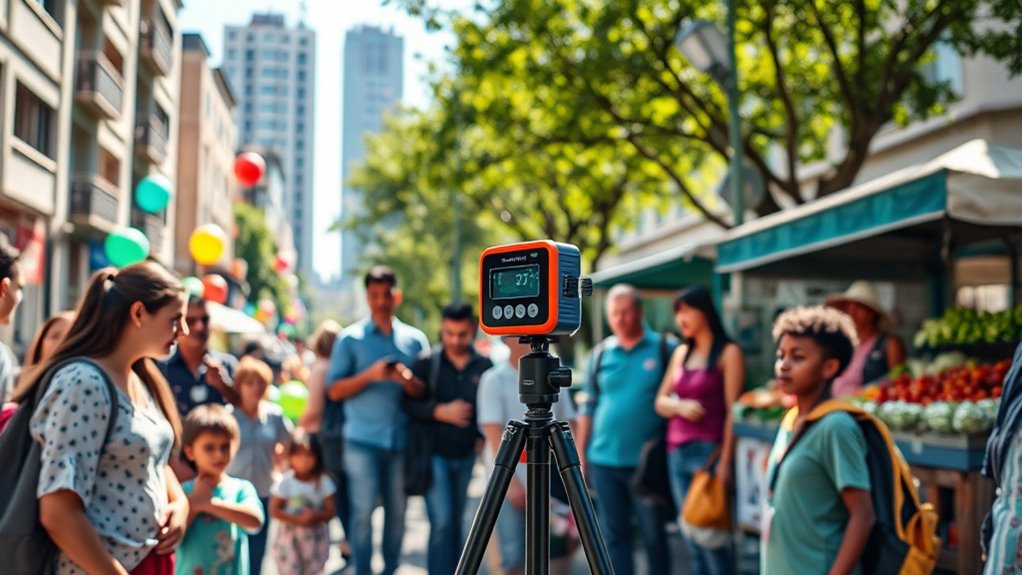
Ever wonder how communities can better track air pollution without breaking the bank? Low-cost sensors have emerged as a practical solution, making air quality monitoring accessible to more neighborhoods and organizations. But to get reliable data, you need to guarantee proper sensor calibration. Calibration is the process of adjusting sensors so their readings accurately reflect real pollutant levels. Without it, your data might be skewed or inconsistent, leading to misguided decisions. Fortunately, calibration doesn’t have to be complex or expensive. Many communities start by comparing sensor readings with those from official air quality stations or reference monitors. By doing so, you can identify discrepancies and make necessary adjustments. Regular calibration checks are essential, especially if sensors are exposed to harsh weather or extended use, which can affect their accuracy over time. Once calibrated, the next critical step is turning raw data into understandable insights through data visualization. Visual tools like graphs, heat maps, and dashboards help you and your community quickly interpret pollution patterns and identify hotspots. Data visualization transforms a jumble of numbers into clear, actionable information, empowering residents and local officials to make informed decisions. For example, a heat map can reveal pollution surges during specific times or locations, prompting targeted interventions or public alerts. Interactive dashboards allow users to explore data in real-time, fostering transparency and community engagement. When setting up these visual tools, consider using user-friendly platforms that don’t require extensive technical skills. Many open-source options are available, making it affordable to create professional-looking visuals without hefty software costs. Also, integrating sensor data with existing environmental information—like weather conditions—can enhance context and accuracy. Vetted sensor options and calibration methods ensure data reliability and consistency. Keep in mind that sensor calibration and data visualization aren’t one-time tasks; they require ongoing attention. As sensors age or environmental conditions change, recalibrating ensures your data remains trustworthy. Regularly updating visual dashboards keeps your community informed and engaged, encouraging collective action for cleaner air. Ultimately, combining diligent sensor calibration with compelling data visualization provides a powerful, low-cost way to monitor air quality. It enables communities to detect pollution issues early, communicate findings effectively, and advocate for cleaner environments. With the right approach, you can turn affordable sensors into a robust tool for healthier, more informed neighborhoods.
As an affiliate, we earn on qualifying purchases.
Frequently Asked Questions
How Do Low-Cost Sensors Compare to Professional-Grade Monitoring Stations?
You’ll find that low-cost sensors generally have lower sensor accuracy compared to professional-grade monitoring stations. However, with proper calibration procedures, their readings can become quite reliable for community use. While they may not match the precision of high-end stations, they’re accessible and can provide valuable real-time air quality data. Just remember, regular calibration is key to maintaining accuracy and ensuring useful insights from these affordable sensors.
What Maintenance Is Required for Long-Term Sensor Deployment?
You need to regularly calibrate your sensors to guarantee accurate readings over time. Check for dust, dirt, and environmental factors that can affect performance, and clean or replace parts as needed. Protect your sensors from harsh weather by using enclosures or shields. Consistent calibration and environmental protection help maintain long-term reliability, reduce drift, and extend the lifespan of your low-cost sensors, ensuring they provide useful community air quality data.
How Can Communities Ensure Data Privacy and Security?
Think of protecting your community’s data like guarding a treasure chest. You can do this by implementing strong access controls and encrypting data to keep prying eyes away. Regularly update security protocols and educate residents about best practices. This way, you guarantee data privacy and security, creating a safe space where everyone trusts the system, and your community’s air quality insights stay confidential and protected from threats.
Are There Any Legal Restrictions on Deploying Air Quality Sensors?
You should check local, state, and federal regulations before deploying air quality sensors, as there may be restrictions related to regulatory compliance. Be aware of legal liabilities if data collection or sensor deployment violates privacy laws or environmental regulations. Ensuring you follow all applicable rules helps prevent legal issues and maintains community trust. Consulting with legal experts or authorities can clarify any restrictions and guide proper deployment practices.
How Can Data From Sensors Be Integrated Into Existing Health Initiatives?
Think of sensor data as a crucial thread weaving into your health initiatives. You can integrate this data by ensuring thorough data validation, filtering out noise to reveal clear patterns. Engage your community by sharing real-time air quality insights, turning raw numbers into stories that inspire action. This approach transforms invisible pollutants into visible community efforts, empowering residents to advocate for healthier environments while strengthening your existing health programs.
Conclusion
By using low-cost sensors, you can transform your community into a vigilant air quality watchdog. Imagine detecting pollution levels that spike by 50% during rush hour, giving you real-time insights into your environment. These affordable devices empower you to take immediate action, advocate for cleaner air, and protect your loved ones. Embracing this technology means you’re not just a bystander but an active participant in safeguarding your community’s health and well-being.
Fall Picks
fall essentials
As an affiliate, we earn on qualifying purchases.