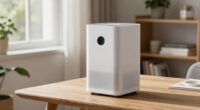
To manage allergens from birds and small animals, focus on frequent cleaning with a HEPA filter vacuum, wiping surfaces, and regular pet grooming outdoors. Use HEPA air purifiers and guarantee proper ventilation to reduce airborne particles. Keep pets out of bedrooms and personal spaces when possible, and wash your hands after handling them. Maintaining these routines helps minimize allergens and symptoms—keep going to discover more effective tips for balancing pet joy and allergy control.
Get ready for Prime Big Deal Days — try Prime free
Exclusive member deals on October 6–7, plus fast free delivery. Cancel anytime.
As an affiliate, we earn on qualifying purchases.
Key Takeaways
- Regularly clean and vacuum with a HEPA filter to remove airborne allergens like feathers and dander.
- Use HEPA air purifiers and improve ventilation by opening windows or using exhaust fans.
- Groom pets outdoors or in well-ventilated areas, and wash hands afterward to prevent allergen transfer.
- Keep pets out of bedrooms and personal spaces to reduce allergen exposure in high-use areas.
- Consult an allergist for personalized management, including medications or immunotherapy options.
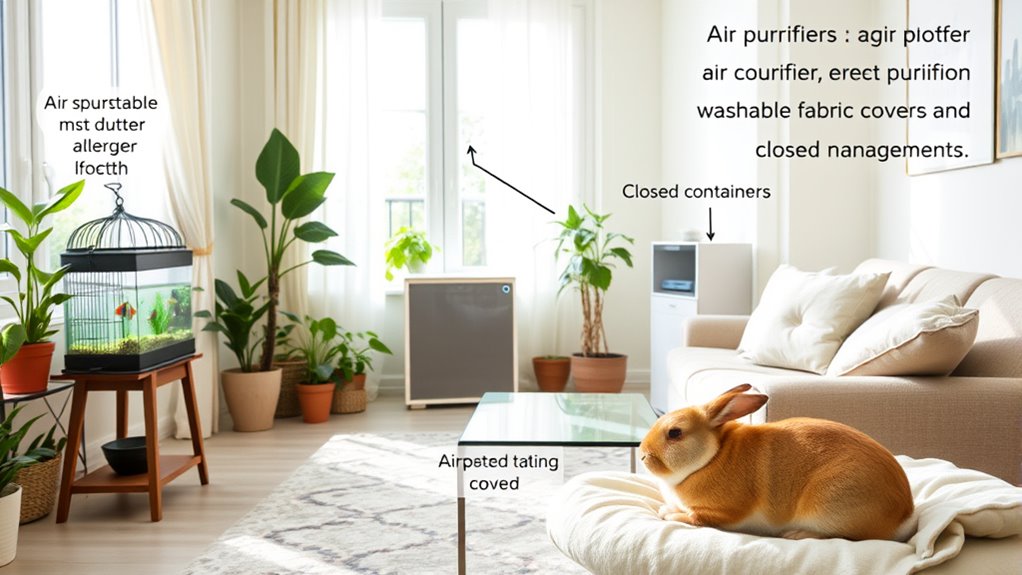
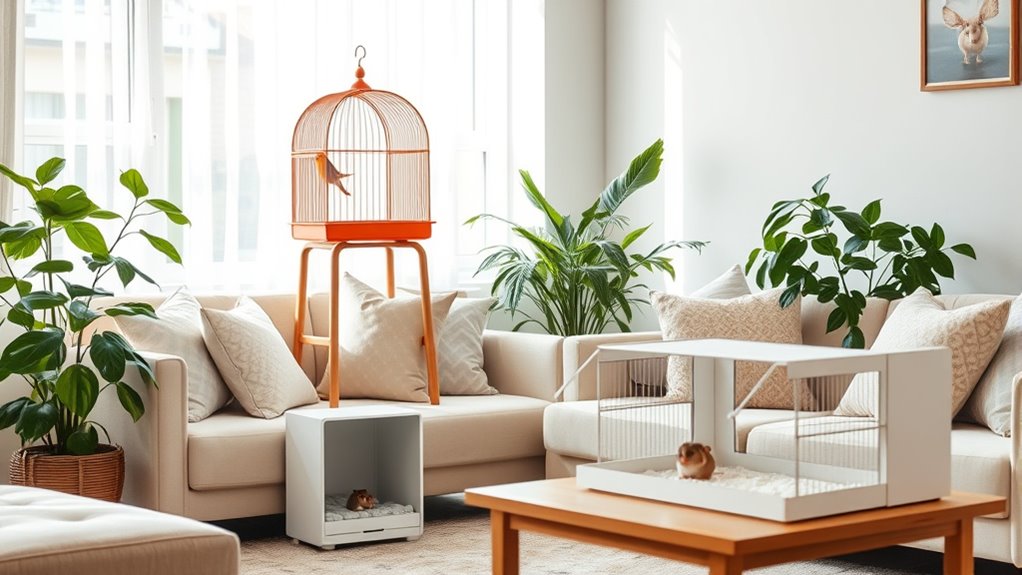
Having birds or small animals in your home can bring joy, but it also increases the presence of allergens that may trigger allergic reactions. If you’re sensitive to bird feather allergies or small animal dander, you might notice sneezing, itchy eyes, or even asthma symptoms flare up more often. These allergens are lightweight and easily become airborne, settling on surfaces and lingering in the air long after your pets have moved around. Managing these allergens requires a proactive approach to minimize exposure while still enjoying your pets.
Bird and small animal allergens can trigger sneezing, itchy eyes, and asthma—manage exposure with regular cleaning and ventilation.
First, you should focus on regular cleaning routines. Vacuuming frequently with a HEPA filter vacuum cleaner helps remove small particles like bird feathers and dander from carpets and furniture. Don’t forget to clean your pet’s bedding, toys, and cages regularly, as these are hotspots for allergen buildup. Wiping down surfaces with a damp cloth prevents allergens from becoming airborne again. If possible, keep your pets out of bedrooms and other personal spaces to reduce allergen accumulation where you spend most of your time.
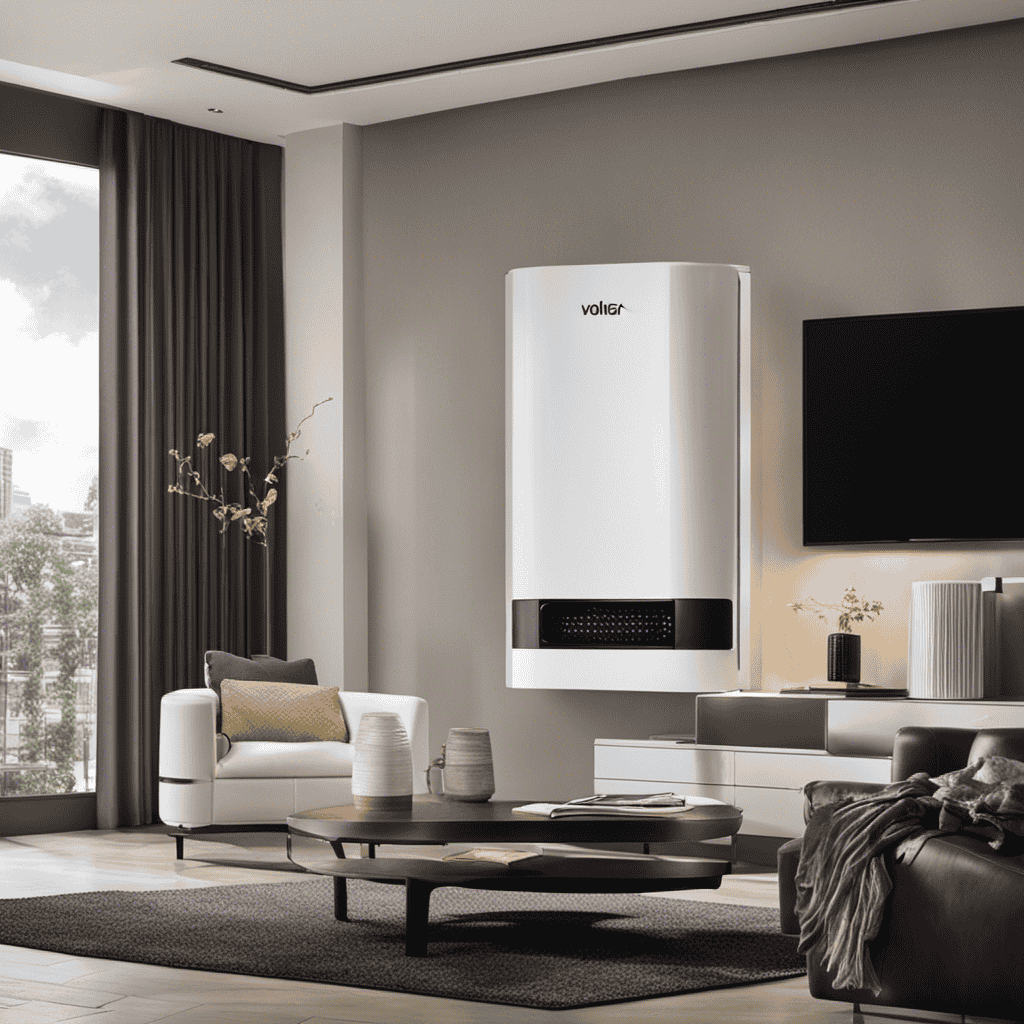
Air quality management is equally important. Using an air purifier equipped with a HEPA filter can considerably reduce airborne allergens. Make sure to run it continuously or during times when your pets are most active, so you catch airborne particles before they settle. Ventilation also helps, so open windows when weather permits or use exhaust fans to circulate fresh air and dilute indoor allergens.
Another key step is to establish a grooming routine for your pets. Regularly bathing and brushing your birds or small animals helps remove loose feathers and dander before they become airborne. Do this in a well-ventilated area or outdoors if possible. Wearing a mask during grooming can also protect you from inhaling allergens directly. Additionally, maintaining good personal hygiene—such as washing your hands after handling your pets—reduces the transfer of allergens to your face or clothing.
Finally, consider consulting with an allergist for personalized advice and possible treatment options. They might recommend allergy medications or immunotherapy to help alleviate symptoms. Remember, though, that managing allergens isn’t about eliminating your pets but controlling the environment to reduce allergen levels. With consistent cleaning, good ventilation, and pet care, you can enjoy the companionship of your birds and small animals without suffering from allergy symptoms.
HEPA filter vacuum cleaner for pet dander
As an affiliate, we earn on qualifying purchases.
As an affiliate, we earn on qualifying purchases.
Frequently Asked Questions
Can Allergen Levels Increase During Seasonal Bird Migrations?
Yes, allergen levels can increase during seasonal bird migrations. Migration patterns and seasonal fluctuations lead to more birds visiting or passing through your area, which can shed more feathers, dander, and droppings. These increased activities can elevate airborne allergens, making allergy symptoms worse. To minimize this, keep your home clean, use HEPA filters, and limit bird access during peak migration seasons.
Are There Specific Cleaning Products Safe for Allergen-Prone Households?
Ever wonder if safe cleaning options exist for allergen-prone homes? Yes, they do. You should look for hypoallergenic cleaning products and pet-safe disinfectants that effectively reduce allergens without triggering reactions. Are you using the right products to keep your space safe? Regular cleaning with these specially formulated items helps manage allergens from birds and small animals, making your home healthier and more comfortable for everyone.
How Often Should Bedding and Cages Be Replaced to Reduce Allergens?
You should replace bedding and cages regularly to reduce allergens effectively. Stick to a bedding replacement schedule of at least once a week, or more often if needed. For cages, clean them thoroughly at least twice a week, ensuring you remove all debris and dander. Consistent cage cleaning frequency helps minimize allergen buildup, making your home healthier for allergy sufferers. Regular maintenance is key to managing allergens effectively.
Do Certain Bird or Small Animal Breeds Produce Fewer Allergens?
Think of choosing a breed like picking a quieter, calmer tree in a forest. Some bird and small animal breeds produce fewer allergens, making allergen reduction easier. Breeds like certain cockatiels or hypoallergenic rodents tend to shed less dander. By selecting these breeds, you can enjoy your pet while minimizing allergen exposure. Always research specific breeds for allergen levels, and combine this with regular cleaning to keep your home comfortable.
Can Air Purifiers Effectively Eliminate Airborne Allergens From Pets?
Air purifiers can considerably reduce airborne allergens from pets, but their effectiveness depends on air purifier efficiency and allergen particle size. HEPA filters are best because they trap small particles, including pet dander and feather debris. To maximize results, make certain your purifier runs continuously and is appropriately sized for your room. While it won’t eliminate all allergens, it helps create a cleaner, more comfortable environment for allergy sufferers.
Conclusion
By balancing best practices and boundaries, you can breathe easier and enjoy your feathered friends and furry family members. Maintain meticulous cleanliness, minimize allergens, and make mindful modifications to your home. With consistent care and clever strategies, you’ll create a cozy, comfortable environment free from pesky pollen and pet dander. Remember, managing allergens isn’t just a chore—it’s a commitment to comfort, calm, and caring for your home and health.
Fall Picks
fall essentials
As an affiliate, we earn on qualifying purchases.