To make sensors truly useful, you need to set three key thresholds: calibration to guarantee accurate readings, customizable alert settings to fit your needs, and well-balanced thresholds that prevent false alarms or missed issues. Calibration keeps your data reliable, while customization helps you focus on what’s important. Carefully adjusting thresholds ensures your alerts are timely and relevant. Want to discover how to optimize these thresholds for maximum efficiency? Keep exploring to find out more.
Key Takeaways
- Proper threshold settings prevent false alarms and missed critical events by balancing sensitivity and stability.
- Calibration ensures sensor accuracy, making threshold triggers reliable and meaningful.
- Customizable alert parameters reduce alert fatigue and focus on actionable issues.
- Establishing appropriate thresholds enables sensors to act as proactive guardians, not passive data collectors.
- Combining calibration, customization, and thresholds creates an effective, maintenance-friendly monitoring system.

In today’s fast-paced world, constantly monitoring your accounts or systems can be overwhelming. That’s where set-and-forget alerts come in, transforming how you stay on top of critical data without the constant manual effort. By leveraging well-designed sensors and strategic thresholds, you can automate alerts that notify you only when necessary, saving time and reducing stress. The key to making these alerts truly effective lies in understanding the three thresholds that define sensor usefulness: sensor calibration, alert customization, and threshold settings. Proper sensor calibration ensures that your sensors provide accurate readings from the start. If your sensors aren’t calibrated correctly, the data they generate could be misleading, leading to false alarms or missed issues. Regular calibration aligns sensor outputs with actual conditions, so you can trust the alerts you receive. Once calibrated, you can set up alert customization, tailoring notifications to your specific needs and priorities. This customization allows you to select the types of alerts you want to receive, how often, and through which channels, whether email, text, or app notifications. It also helps you avoid alert fatigue, where too many notifications desensitize you to critical warnings. When you customize alerts, you decide what constitutes an actionable event, reducing unnecessary interruptions and focusing your attention on truly important issues. The third essential threshold involves setting appropriate sensor thresholds, which determine when an alert triggers. These thresholds are like guardrails—set them too tight, and you’ll get flooded with alerts for minor fluctuations; set them too loose, and you might miss critical deviations. Striking the right balance requires a clear understanding of what level of variation is acceptable and what signals a genuine problem. Adjusting these thresholds based on historical data and system behavior ensures that alerts remain relevant and timely. Combining accurate sensor calibration, thoughtful alert customization, and well-placed thresholds creates a robust set-and-forget system that works seamlessly in the background. You don’t need to constantly check or adjust your systems if these elements are properly configured. Instead, you receive notifications only when something truly warrants your attention. This approach minimizes distractions, enhances decision-making, and ultimately makes your operations more efficient. By establishing these three thresholds, you turn sensors from simple data collectors into proactive guardians of your systems. They do the monitoring for you, allowing you to focus on what matters most while still maintaining full control over your environment. With the right setup, set-and-forget alerts become a powerful tool that simplifies complex monitoring tasks into manageable, automated processes. Additionally, maintaining sensor calibration and regular system reviews ensures your alerts adapt to changing conditions and continue to serve their purpose effectively.
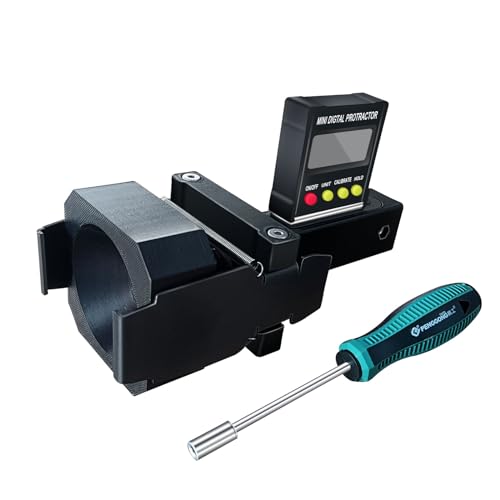
ADAS Calibration Dynamic ACC Positioning Tool for Eyeball Unit, Angso-auto Angle Leveling Tool Accessory for Auto
The ANGSO-AUTO leveling tool is designed to be powered by 2* AAA 1.5 V batteries (Please note that…
As an affiliate, we earn on qualifying purchases.
As an affiliate, we earn on qualifying purchases.
Frequently Asked Questions
How Do I Calibrate Sensors for Optimal Thresholds?
To calibrate sensors for ideal thresholds, start with sensor calibration by following the manufacturer’s instructions to guarantee accuracy. Then, monitor sensor readings in real-world conditions to identify where threshold adjustments are needed. Adjust the thresholds gradually, testing each change to see its impact. This process helps you fine-tune your sensors, guaranteeing they trigger alerts at the right moments without false alarms, making your system more reliable.
Can Thresholds Be Adjusted Remotely After Initial Setup?
Think of your sensor as a ship’s compass—you can steer it remotely after the initial setup. Yes, remote adjustment allows you to fine-tune threshold customization anytime, ensuring ideal performance. This flexibility helps you respond quickly to changing conditions without needing to be physically present. With remote adjustment, you stay in control, guiding your sensor’s alerts just like a captain steering through shifting seas, keeping everything on course smoothly.
What Industries Benefit Most From Set-And-Forget Alerts?
You benefit most from set-and-forget alerts in industries like manufacturing, healthcare, and agriculture. These sectors rely on sensors for continuous monitoring, reducing the need for frequent sensor maintenance. Threshold customization allows you to tailor alerts to specific needs, ensuring timely responses. This minimizes downtime and enhances safety, making your operations more efficient and reliable without constant manual adjustments.
How Do False Alarms Impact Sensor Reliability?
False alarms erode your trust in sensor reliability, causing you to ignore or disable alerts. When false alarms happen frequently, your confidence diminishes, your response times slow, and your system’s effectiveness drops. False alarms undermine sensor trust, making it harder to distinguish real threats from noise. To maintain reliability, you need sensors with accurate thresholds, smart filtering, and adaptive alerts, ensuring you respond promptly only to genuine issues.
Are There Integration Options With Existing Security Systems?
Yes, you can integrate sensors with your existing security system through compatible security system integration options. Many sensors are designed for easy sensor compatibility, ensuring they work seamlessly with your current setup. Check the sensor specifications and your security system’s compatibility list to confirm integration. This way, you can enhance your security coverage without replacing your entire system, making it more efficient and reliable.
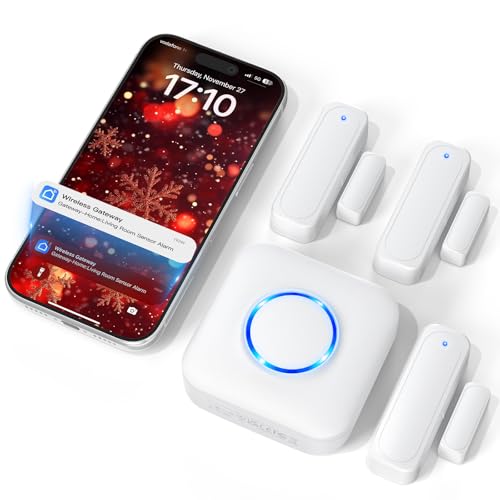
WiFi Door Sensor Chime, Smart Door Open Alert Window Sensor for Business/Home/Kids Safety, Real-Time App Notification, 500ft Range, 32 Melodies, 5 Volume Levels, Window Contact Sensor Alarm Kit
Real-Time App Alerts for Safety – Monitor your home from anywhere via the Tuya/Smart Life App. Perfect for…
As an affiliate, we earn on qualifying purchases.
As an affiliate, we earn on qualifying purchases.
Conclusion
By tuning your sensors to the right thresholds, you’re fundamentally giving yourself a gentle nudge towards smarter living. These subtle signals act like friendly reminders, helping you stay on top of things without constant fuss. When you set these thresholds wisely, you create a seamless flow of information—like a trusted friend quietly watching over you. In the end, it’s all about making life easier and more comfortable, with just the right touch of grace.

Threshold Motion Wi-Fi Sensing Plugs Starter Pack, WiFi Motion Sensor, No Camera or Microphone Needed, Works with Free Threshold Care App for iPhone & Android (3-Sensor Starter Pack)
Keep Things Simple: Simply plug it in, connect to WiFi, and start monitoring. No behavior change is required…
As an affiliate, we earn on qualifying purchases.
As an affiliate, we earn on qualifying purchases.

Moman Motorcycle Tire Pressure Monitoring System, Upgraded Version Motorbike TPMS Sensors Set of 3, Tire Pressure and Temperature Alarm, Wireless Tire Pressure Sensor, Support iOS & Android
❗️Be Careful: Data transmission refreshes every three minutes; the tyre pressure monitor will not actively transmit signals unless…
As an affiliate, we earn on qualifying purchases.
As an affiliate, we earn on qualifying purchases.