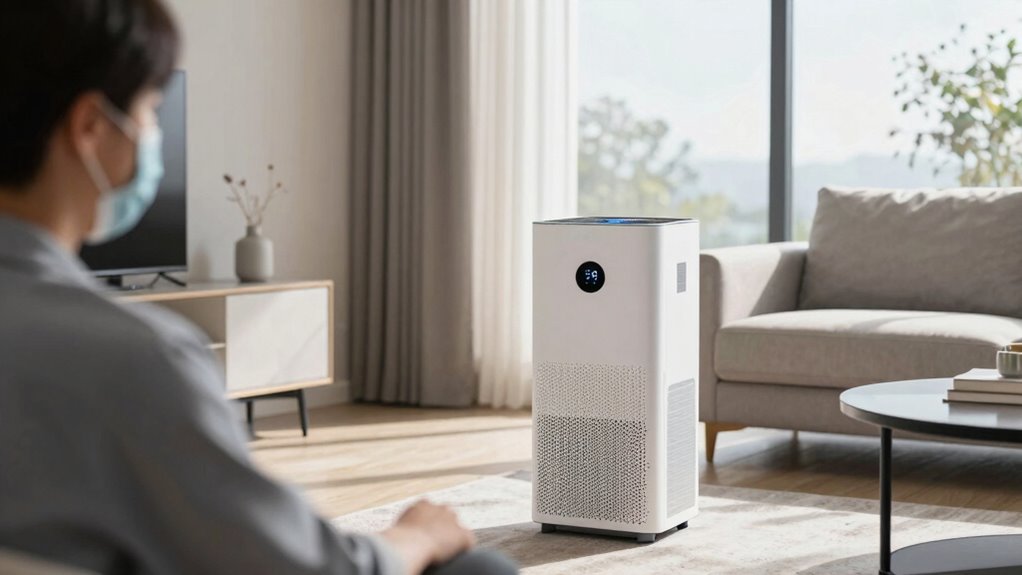

You can expect indoor PM2.5 levels to drop by at least 50% within 15 to 30 minutes after activating a high-quality air purifier and improving ventilation. Larger or more efficient units speed up this process, especially when combined with open windows or mechanical ventilation. Keep in mind, initial pollution levels and outdoor air quality also influence how quickly you see results. Continue exploring to discover more ways to optimize your indoor air quality effectively.

Get garden gear delivered free with Prime
- Fast, free delivery on millions of items
- Prime Video, Amazon Music and more included
- Member-only deals all year
Key Takeaways
- Properly sized air purifiers can halve PM2.5 levels within 15-30 minutes.
- Increasing ventilation speed accelerates PM2.5 reduction, especially with outdoor air quality good.
- Initial pollution levels influence how quickly PM2.5 levels decrease.
- Combining filtration and ventilation can achieve 50% reduction in about 15-30 minutes.
- Complete clearance of indoor PM2.5 may take an hour or more depending on conditions.
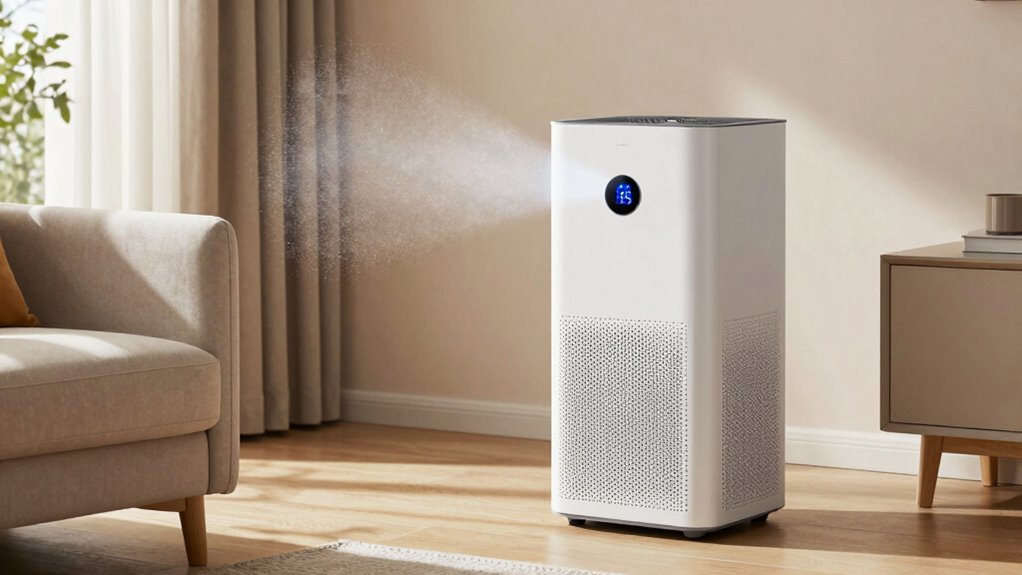
When you take action to reduce indoor PM2.5 levels, understanding how quickly these particles decrease is essential. The speed at which indoor air quality improves depends heavily on factors like air purifier efficiency and ventilation speed. If you’ve just turned on an air purifier or increased ventilation, you’ll want to know how long it takes to notice a significant drop in PM2.5 levels. Generally, the reduction timeline varies based on the effectiveness of your devices and the initial concentration of particles.
Air purifier efficiency plays a crucial role in how fast indoor PM2.5 drops after you start treatment. High-quality air purifiers with HEPA filters can remove up to 99.97% of particles as small as 0.3 microns, including PM2.5. If your purifier is rated for high CADR (Clean Air Delivery Rate), you’ll see faster improvements. In a typical room, such an air purifier can reduce PM2.5 levels by half within 15 to 30 minutes of operation, assuming the device is appropriately sized for the space. Cheaper or smaller units may take longer or be less effective, meaning your indoor air won’t clear as quickly.
Ventilation speed also significantly influences how fast PM2.5 levels decline. Increasing airflow through open windows, doors, or mechanical ventilation systems speeds up the exchange of indoor and outdoor air. When outdoor air quality is good, opening windows can dramatically cut PM2.5 levels within 30 minutes to an hour. However, if outdoor air contains high pollution levels, this method might not be effective or could even worsen indoor air quality. Mechanical ventilation systems, like exhaust fans or HVAC systems with fresh air intake, boost ventilation speed and help clear particles faster. The more air you exchange, the quicker the PM2.5 particles are replaced with cleaner air. Additionally, understanding the effectiveness of your filtration system can help you set realistic expectations for how quickly your indoor air quality improves. It’s also important to consider the initial pollution level, as higher starting concentrations can extend the time needed for significant reduction. Proper air exchange rates are essential for optimizing the removal process and minimizing the time it takes to reach healthier air quality levels. Regular maintenance of filtration devices also ensures they operate at peak performance, which can influence how swiftly PM2.5 levels decrease.
In practice, you’ll notice a decline in PM2.5 levels fairly quickly after taking action, but the exact timing depends on the initial pollution, device performance, and ventilation method. For most homes with a good air purifier and active ventilation, expect to see a 50% reduction within 15 to 30 minutes. Complete clearance could take an hour or more, especially if particles are deeply embedded or if outdoor air quality isn’t optimal. Keeping windows open and your air purifier running continuously maximizes the reduction speed. By understanding these factors, you can better gauge how swiftly your efforts are improving indoor air quality and take steps to optimize your approach.
Products Worth Considering

Levoit Eleva 300X HEPA Air Purifier for Home and Bedroom

Levoit Core 400S-P Smart Air Purifier for Large Rooms

LEVOIT Vital 200S-P Smart Air Purifier for Large Rooms
As an affiliate, we earn on qualifying purchases.
Frequently Asked Questions
Does the Type of Action Affect PM2.5 Reduction Speed?
Yes, the type of action affects PM2.5 reduction speed. Using air filtration systems like HEPA filters can quickly lower particulate levels, often within hours. Ventilation methods, such as opening windows or using exhaust fans, also help speed up the process by replacing indoor air with cleaner outdoor air. Combining these actions accelerates PM2.5 reduction, making your indoor environment safer faster.
How Does Room Size Influence PM2.5 Drop Time?
Room size greatly influences PM2.5 drop time because larger spaces require more effective ventilation strategies and improved air circulation to clear pollutants efficiently. In smaller rooms, PM2.5 levels decrease faster as air exchanges happen more quickly. To speed up reduction in bigger rooms, you should increase ventilation, use air purifiers, and boost air circulation. These actions help disperse and remove PM2.5 more rapidly, ensuring cleaner indoor air.
Do Air Purifier Models Vary in Effectiveness?
Think of air purifiers as different engines in a race—they vary in effectiveness. Some models swiftly clear the air, while others take a more leisurely pace. To keep yours performing at top speed, you need proper air purifier maintenance and air flow optimization. Choosing a high-quality unit, maintaining filters, and ensuring unobstructed airflow make a big difference in how quickly PM2.5 levels drop, giving you cleaner air faster.
How Long Should I Wait Before Testing Indoor Air Quality Again?
You should wait at least 15 to 30 minutes before testing indoor air quality again. During this time, improve ventilation strategies and enhance air circulation by opening windows or using fans. These actions help disperse pollutants and give your air purifier time to work effectively. After waiting, use an air quality monitor to get an accurate reading, ensuring your space is safe and well-ventilated.
Can Humidity Levels Impact PM2.5 Removal Efficiency?
Yes, humidity levels can impact PM2.5 removal efficiency. Higher humidity increases particle adhesion, causing particles to stick to surfaces more effectively, which can help reduce airborne PM2.5. However, excessively high humidity might promote mold growth or reduce air purifier efficiency. Maintaining ideal humidity levels, around 40-60%, supports better particle adhesion and improves overall indoor air quality, making your efforts more effective.
Conclusion
Once you take action, expect indoor PM2.5 levels to drop like a curtain falling at the end of a show—quick and decisive. Within just 15 to 30 minutes, you’ll notice the air clearing, revealing a fresher, healthier space. Think of it as turning on a breeze in a stuffy room—suddenly, everything feels lighter and brighter. Keep up these small acts, and you’ll keep your indoor air quality shining like a beacon of well-being.