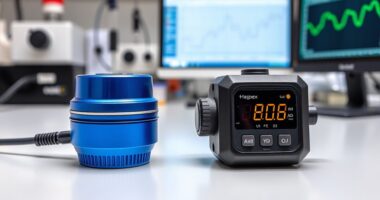
A flat sensor output often signals hidden issues like calibration drift, mechanical failure, or environmental damage. It can hide critical problems affecting system safety and accuracy, leading you to overlook necessary maintenance or repairs. Ignoring these signs risks faulty decisions, costly downtime, and potential safety hazards. Recognizing and addressing these signals early can prevent bigger problems down the line. If you keep reading, you’ll discover how to identify and fix these hidden issues effectively.
Open a free Amazon Business account
Business pricing, bulk buying and tax-exempt orders.
As an affiliate, we earn on qualifying purchases.
Key Takeaways
- Flat sensor readings often indicate calibration drift or mechanical failure, signaling hidden equipment issues.
- Unchanging data may conceal underlying problems affecting system performance or safety.
- Persistent flat readings can result from environmental factors causing sensor malfunction.
- Ignoring flat readings risks overlooking critical maintenance needs or potential system failures.
- Regular inspection and calibration help detect and address concealed sensor or system problems early.

Flat sensor readings might seem straightforward, but they can hide significant problems that affect performance and safety. When a sensor shows a flat or unchanging reading, it’s tempting to assume everything is fine. However, this steady output could be masking underlying issues that compromise data accuracy. Sensor calibration is essential here; if a sensor isn’t properly calibrated, it might produce a constant reading that doesn’t reflect real-world changes. This miscalibration can occur over time due to wear, environmental conditions, or mechanical damage, leading to data that’s inaccurate and unreliable.
Flat sensor readings can hide critical issues; regular calibration ensures accurate, reliable data and system safety.
You need to pay close attention to these flat readings because they often indicate sensor malfunction rather than a true absence of change. For example, in automotive systems, a flat sensor reading from an oxygen sensor could mean it’s stuck or failed, which impacts engine performance and emissions control. In industrial settings, a temperature sensor stuck at a certain value may seem harmless but could actually signal a calibration drift or a broken component. If you don’t recognize these signs early, you risk making decisions based on faulty data, which can lead to equipment damage, safety hazards, or costly downtime. Regular monitoring and maintenance are crucial to catch these issues before they escalate. Proper maintenance and careful inspection can help identify problems early, preventing costly repairs or failures later on. Additionally, understanding the causes of sensor failure can help you develop more effective preventive strategies. Recognizing the importance of system reliability can also motivate timely troubleshooting and calibration checks.
One of the key issues with flat sensor readings is that they undermine data accuracy. Accurate data is essential for diagnosing problems, maintaining ideal operation, and ensuring safety standards. When sensors provide false or static readings, your ability to detect issues in real-time diminishes. This can delay necessary maintenance or safety interventions, escalating the severity of potential failures. Understanding sensor behavior and the importance of proper maintenance can help prevent this by ensuring your sensors are functioning correctly and providing data that truly reflects the current conditions. It’s a preventative measure that maintains the integrity of your monitoring systems.
Additionally, understanding the importance of sensor calibration can help prevent misinterpretation of flat readings and improve overall system reliability. In many cases, flat readings are a symptom of a sensor that’s no longer functioning correctly, rather than a genuine signal of steady conditions. Recognizing this early can save you time and money, preventing bigger problems down the line. When you notice a persistent flat reading, it’s vital to verify the sensor’s calibration and check for physical or electrical issues. Sometimes, replacing or recalibrating the sensor is all that’s needed to restore accurate data flow. Remember, the goal isn’t just to see numbers but to trust those numbers as a true representation of the environment or system you’re monitoring. Flat sensor readings aren’t just a nuisance—they’re a warning sign that you need to dig deeper to uncover hidden problems affecting your performance and safety.
As an affiliate, we earn on qualifying purchases.
Frequently Asked Questions
Can Flat Sensor Readings Predict Future Equipment Failures?
Flat sensor readings can sometimes predict future equipment failures, especially if you monitor sensor durability and analyze data interpretation carefully. When a sensor remains flat unexpectedly, it might indicate underlying issues like component wear or electrical problems. By consistently tracking these readings, you can identify patterns and take proactive measures, preventing costly breakdowns. Proper data interpretation helps you catch early warning signs, ensuring your equipment stays reliable and functional.
How Accurate Are Flat Sensor Readings Compared to Traditional Diagnostics?
Coincidences happen, but when it comes to sensor accuracy, flat sensor readings often rival traditional diagnostics in reliability. You can trust these readings to provide consistent, real-time data, making them highly dependable for early detection. While traditional methods are thorough, flat sensors offer quick, continuous insights, reducing downtime and preventing failures. Overall, their diagnostic reliability is impressive, especially when used alongside conventional techniques for all-encompassing equipment health monitoring.
What Industries Primarily Rely on Flat Sensor Data for Troubleshooting?
You’ll find industries like manufacturing, automotive, and aerospace primarily rely on flat sensor data for troubleshooting. Proper sensor placement guarantees accurate readings, helping identify issues early. Data integration from multiple sensors provides a thorough view of system health, making it easier to detect hidden problems. By combining precise sensor placement with seamless data integration, these industries can quickly address potential failures and maintain peak performance.
Are Flat Sensors Affected by Environmental Conditions?
Yes, flat sensors are affected by environmental interference, which can skew readings and lead to incorrect diagnoses. Factors like temperature, humidity, and dust can impact sensor accuracy over time. To guarantee sensor longevity and reliable data, you need to regularly calibrate your sensors and protect them from harsh conditions. By doing so, you’ll maintain consistent performance and prevent hidden problems from going unnoticed due to environmental effects.
How Often Should Flat Sensors Be Calibrated for Reliable Readings?
You should calibrate flat sensors regularly, typically every 6 to 12 months, to guarantee accurate readings. Calibration frequency depends on the sensor’s lifespan and operating environment; harsher conditions may require more frequent adjustments. Regular calibration helps maintain sensor precision, prevents drift, and prolongs its effective lifespan. Keep an eye on manufacturer recommendations and your specific application needs to determine the best calibration schedule for reliable, consistent performance.
Conclusion
A flat sensor reading might seem like just a simple number, but it reveals hidden problems lurking beneath the surface. Like finding a crack in your foundation, it’s easy to overlook until it becomes a bigger issue. Think of it as a warning sign—silent but telling. Ignoring these readings can turn minor concerns into costly repairs. Stay vigilant, interpret those signals, and remember: sometimes, the smallest flat line hides the loudest problems.
NFL season / tailgating Picks
team gear
As an affiliate, we earn on qualifying purchases.