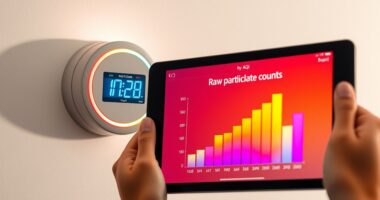
Sensor lag happens when air quality displays show better data than what’s actually in your environment. This delay can be caused by improper calibration, sensor drift, or response time limits. As a result, you might underestimate pollution levels and ignore potential health risks. Knowing how sensor limitations affect data helps you make safer decisions. If you keep exploring, you’ll uncover more about how understanding these issues can protect your health.

Get garden gear delivered free — and shop member deals
- Fast, free delivery on millions of items
- Access to Prime Big Deal Days deals on October 6–7
- Prime Video, Amazon Music and more included
Key Takeaways
- Sensor lag can cause outdated readings, making current air quality appear better than it actually is.
- Improper calibration increases response delay, leading to misleading, overly optimistic air quality reports.
- Environmental factors and sensor drift over time can cause sensors to underestimate pollution levels.
- Slow response times in sensors delay detection of sudden pollution spikes, skewing real-time air quality data.
- Relying on uncalibrated or outdated sensors may give a false sense of safety in deteriorating air conditions.
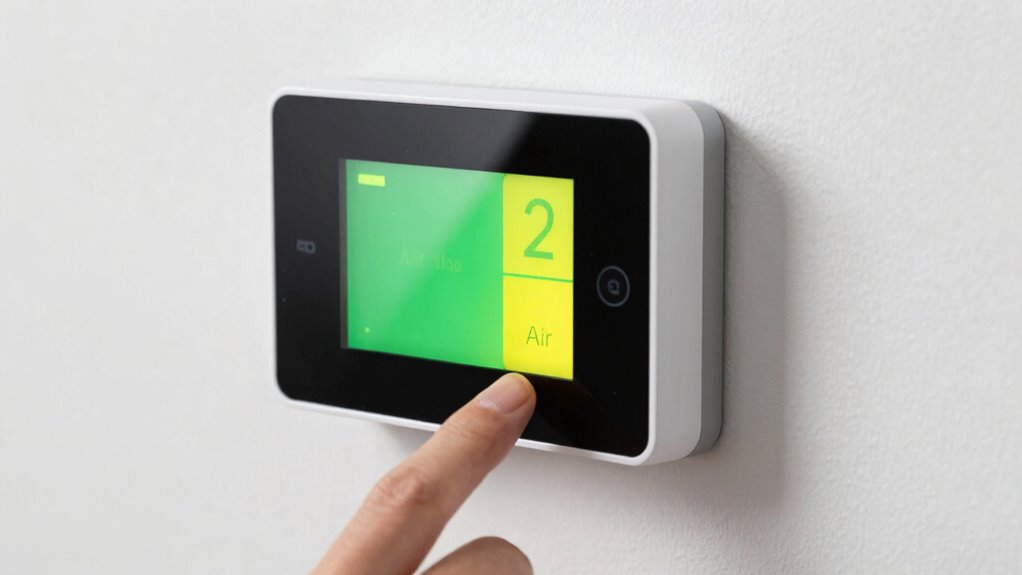
You might notice that air quality displays sometimes show outdated information, which can be frustrating when you’re trying to make quick decisions about your environment. This discrepancy often happens because of sensor lag—a delay between the actual air conditions and what the sensor reports. Sensors need to be properly calibrated to provide accurate, real-time data, but even with calibration, some lag remains. When a sensor isn’t correctly calibrated, it can give false readings, making your air seem cleaner or dirtier than it truly is. This issue can lead you to underestimate pollution levels or overestimate the safety of your environment, affecting your health and well-being.
Sensor lag can cause outdated air quality readings, impacting your health decisions and safety.
Sensor calibration is vital for maintaining data accuracy. Over time, sensors drift from their original calibration, especially if exposed to pollutants or environmental factors. If you don’t regularly calibrate your sensors, the data they provide becomes less reliable, and the lag between actual air quality and displayed readings widens. Proper calibration ensures that the sensor’s measurements are aligned with standardized reference values, reducing the delay and improving the immediacy of the data. When calibration is off, the sensor might respond sluggishly to sudden changes, further exacerbating the lag problem. This lag makes it seem like the air is better or worse than it actually is, which can be dangerous if you rely solely on these displays for health decisions. Recognizing sensor limitations is essential for making informed judgments about your environment. Being aware of these sensor response times** can help you interpret data more critically and avoid misjudging your indoor air quality. Additionally, understanding the technological capabilities of your sensors can help set realistic expectations for their performance. Moreover, understanding the limitations of sensor technology can assist you in choosing the right device for your specific needs, ensuring more reliable data over time. Being familiar with these sensor response characteristics** can help you better interpret the readings and respond appropriately to actual air quality conditions.
air quality sensor calibration kit
As an affiliate, we earn on qualifying purchases.
As an affiliate, we earn on qualifying purchases.
Frequently Asked Questions
How Often Should I Calibrate My Air Quality Sensor?
You should calibrate your air quality sensor regularly to maintain ideal sensor accuracy. Typically, calibration frequency depends on usage and environment, but a good rule of thumb is to do it every three to six months. Regular calibration helps guarantee your sensor provides reliable readings and prevents sensor drift over time. Keep an eye on manufacturer recommendations, and if you notice inconsistent or suspicious readings, calibrate sooner.
Do All Air Quality Sensors Experience the Same Lag?
Not all air quality sensors experience the same lag, which can affect sensor accuracy and data reliability. Some sensors are faster and more precise, while others have a delay that might misrepresent current conditions. If you rely on real-time data, choose sensors known for quick response times. Keep in mind, even the best sensors can have slight lag, so understanding their limits helps you interpret data more accurately.
Can Sensor Lag Affect Health Decisions Based on Air Quality?
Sensor lag can indeed affect your health decisions, as it impacts sensor accuracy and causes data delay. If your air quality sensor has a delay, you might rely on outdated information, leading to delayed responses to poor air conditions. This can result in exposure to harmful pollutants before you take action. To stay safe, choose sensors with minimal lag and regularly check for real-time updates, ensuring your decisions are based on current data.
Are There Devices With Real-Time, Lag-Free Air Quality Readings?
Did you know some devices offer real-time, lag-free air quality readings? These devices prioritize sensor accuracy and rapid data transmission, providing you with instant updates. Unlike conventional sensors, they minimize delay, ensuring you get accurate info immediately. This means you can make smarter health decisions on the spot, especially during pollution spikes. Look for models with advanced sensor tech and fast data transmission to stay accurately informed about your air quality at all times.
How Does Sensor Lag Vary With Different Types of Pollutants?
Sensor lag varies depending on the pollutant type, affecting sensor accuracy and pollutant detection. For example, sensors detecting gases like CO₂ respond quickly, providing near real-time data. In contrast, particulate sensors may have more lag, especially for fine particles, which can affect accuracy. This variation means you might get timely updates for some pollutants but delayed readings for others, so understanding each sensor’s response time is essential for accurate air quality assessments.
Conclusion
Remember, sensor lag is like a mist over a mirror—distorting how clear the air truly is. While your air quality display might glow with a pristine shine, it’s only reflecting a moment frozen in time. Don’t rely solely on the numbers; trust your senses and take proactive steps. By understanding this delay, you can better navigate the invisible currents of your environment, clearing the fog and truly breathing easier.
Fall yard work Picks
leaf blowers
As an affiliate, we earn on qualifying purchases.