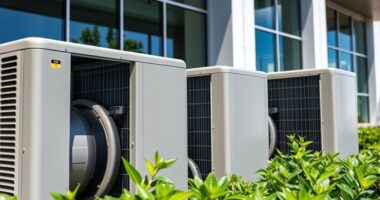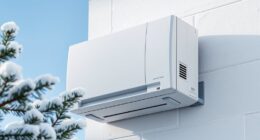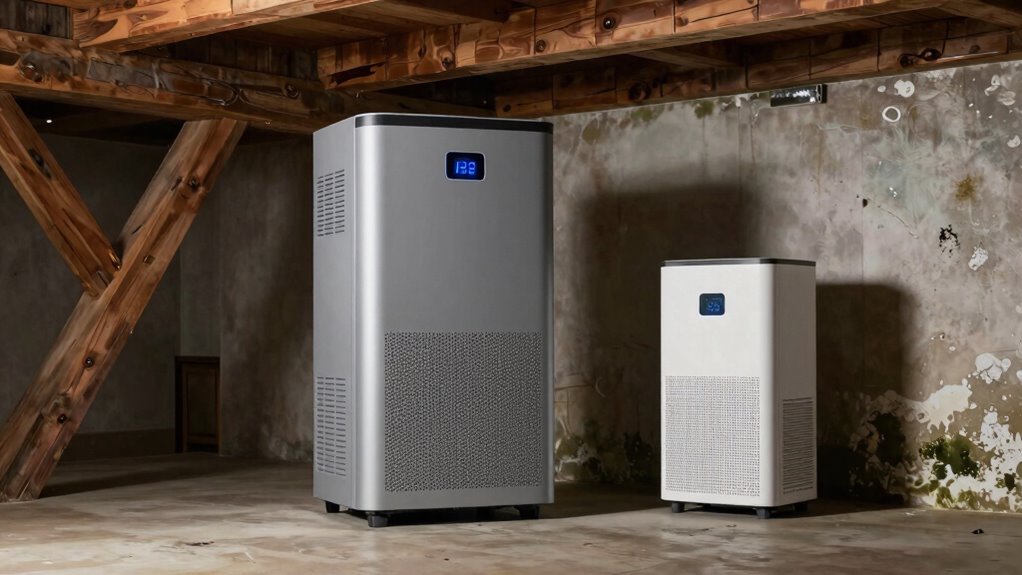
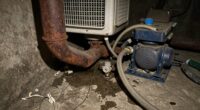
When portable dehumidifiers struggle to keep up with humidity levels, a whole-house dehumidifier is a smart upgrade. It can control moisture across your entire home efficiently, helping improve comfort and protect your property. These systems work continuously and more reliably than portable units, reducing strain on your AC and lowering energy bills. If you want to learn how a whole-house model can solve your moisture issues, keep exploring the options available.

Get garden gear delivered free — and shop member deals
- Fast, free delivery on millions of items
- Access to Prime Big Deal Days deals on October 6–7
- Prime Video, Amazon Music and more included
Key Takeaways
- Whole-house dehumidifiers effectively manage humidity across large areas, outperforming portable units in high-moisture environments.
- They operate continuously with greater energy efficiency, reducing the workload on your air conditioning system.
- When portable units struggle with high humidity or uneven moisture levels, a whole-house system offers consistent control.
- Installation complexity and upfront costs are justified by long-term savings and improved indoor air quality.
- They are ideal for moisture-prone spaces like basements or large open areas where portables can’t maintain desired humidity.
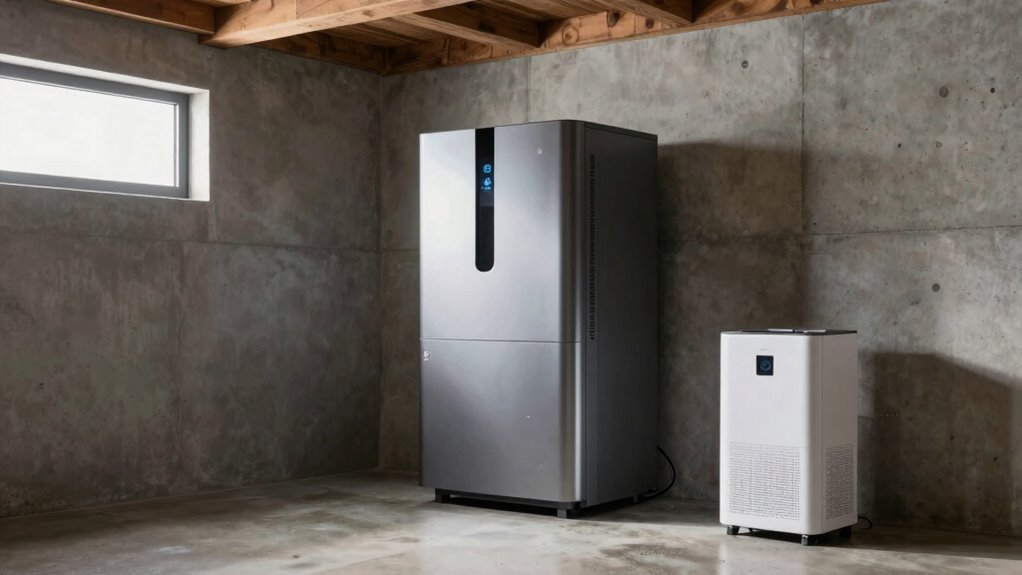
If excess humidity is a persistent problem in your home, installing a whole-house dehumidifier can provide an effective solution. Unlike portable units, which only address small areas and can become a hassle to manage, a whole-house system works seamlessly to control humidity levels across your entire home. This not only improves comfort but also protects your property from mold, mildew, and structural damage caused by excess moisture.
One of the key advantages of a whole-house dehumidifier is its energy efficiency. These systems are designed to handle large volumes of air continuously, operating in a way that minimizes energy consumption while maintaining ideal humidity levels. Because they are integrated into your HVAC system, they often run more efficiently than multiple portable units, which tend to cycle on and off frequently, wasting energy. A whole-house dehumidifier can help lower your energy bills in the long run by reducing the workload on your air conditioning system, especially during humid months when AC units work harder to dehumidify the air.
Whole-house dehumidifiers improve energy efficiency and reduce your cooling costs.
However, it’s important to factor in installation costs when choosing a whole-house dehumidifier. These systems typically involve a higher upfront investment compared to portable options. The installation process requires professional expertise, as it involves integrating the unit into your existing ductwork and possibly making modifications to your HVAC system. While the initial costs might seem steep, it’s essential to weigh them against the benefits of improved air quality, reduced energy bills, and long-term durability. Proper installation guarantees that your dehumidifier operates efficiently, which can save you money over time and prevent potential issues related to incorrect setup.
Once installed, a whole-house dehumidifier offers consistent, automatic control of humidity levels, freeing you from the need to manually empty tanks or move portable units around. It provides a more thorough and stable environment, especially in areas prone to moisture buildup like basements, bathrooms, or kitchens. Moreover, because it works in tandem with your HVAC system, it can help maintain a balanced indoor climate, which is vital for your comfort and health.
As an affiliate, we earn on qualifying purchases.
Frequently Asked Questions
How Often Should I Service My Whole-House Dehumidifier?
You should service your whole-house dehumidifier at least once a year, adhering to a regular maintenance schedule. During this time, replace or clean the filters to guarantee peak performance. If you notice increased humidity or strange noises, consider more frequent inspections. Proper maintenance keeps your unit running efficiently, prevents mold growth, and extends its lifespan, so don’t skip these essential steps to maintain a healthy indoor environment.
Can a Dehumidifier Prevent Mold Growth Effectively?
A dehumidifier can effectively prevent mold growth by maintaining ideal humidity levels, usually between 30-50%. Proper humidity control inhibits mold spores from thriving, reducing the risk of mold problems. To guarantee its effectiveness, you should regularly monitor humidity levels with a hygrometer and adjust your dehumidifier as needed. Consistent operation and maintenance help keep mold at bay, protecting your home’s health and structure.
What Size Dehumidifier Do I Need for My Home?
Think of choosing a dehumidifier as selecting a key to open a dry, comfortable home. To find the right size, you need to perform a size calculation based on your room’s square footage and humidity levels. Make certain your chosen unit matches your room compatibility needs; too small won’t control moisture effectively, and too large wastes energy. Measure your space carefully, and you’ll find the perfect fit for your home’s moisture fight.
Are There Energy-Efficient Options for Whole-House Dehumidifiers?
Yes, there are energy-efficient options for whole-house dehumidifiers. Look for models with energy-saving technologies like variable speed fans and high SEER ratings, which help cut down power consumption. Eco-friendly models use environmentally friendly refrigerants and are designed to operate efficiently, saving energy and lowering your utility bills. Choosing an ENERGY STAR® certified dehumidifier ensures you get a device that’s both effective and eco-conscious, making it a smart investment for your home.
How Does Humidity Impact Indoor Air Quality Long-Term?
Think of humidity like Pandora’s box—unchecked, it releases long-term issues. High humidity fosters mold, dust mites, and indoor pollutants, which can worsen allergies and respiratory problems over time. Effective ventilation strategies help control moisture levels, safeguarding your indoor air quality. By maintaining proper humidity, you create a healthier environment, reducing long-term health risks and ensuring your home stays fresh and safe for everyone inside.
Conclusion
When regular portable dehumidifiers can’t keep up, a whole-house system acts like an air-quality guardian, silently patrolling every corner of your home. It’s the difference between fighting a losing battle and commanding the entire fortress. Investing in a whole-house dehumidifier guarantees your space stays dry and comfortable, no matter how stubborn the moisture. Think of it as the steady anchor in a storm—reliable, powerful, and always there when you need it most.
Fall yard work Picks
leaf blowers
As an affiliate, we earn on qualifying purchases.