
To prep for wildfire season, start by creating defensible space around your home, trimming vegetation, and using fire-resistant materials for roofing and siding. Develop multiple evacuation routes, gather an emergency kit, and practice your plan regularly. Collaborate with neighbors and set up a community communication strategy. Staying informed about fire alerts and weather helps you respond promptly. Keep these tips in mind to protect your loved ones — more essential strategies follow for thorough preparation.

Get garden gear delivered free — and shop member deals
- Fast, free delivery on millions of items
- Access to Prime Big Deal Days deals on October 6–7
- Prime Video, Amazon Music and more included
Key Takeaways
- Create defensible space by clearing vegetation, dead plants, and leaf litter around your property.
- Use fire-resistant materials for roofing, siding, and landscaping elements near your home.
- Develop and practice multiple evacuation routes with an emergency kit ready to go.
- Collaborate with neighbors to establish a community wildfire preparedness plan.
- Stay informed through local alerts, weather updates, and community communication channels.
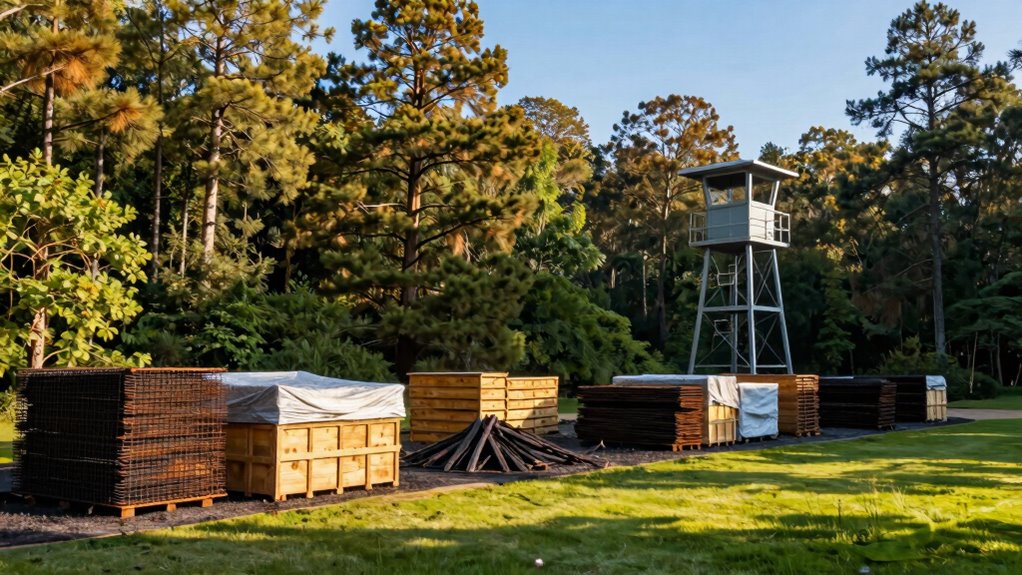
As summer approaches and conditions become drier, it’s vital to start preparing for wildfire season now rather than waiting until flames are near. The earlier you take action, the better your chances of protecting your home and loved ones from the destructive force of wildfires. One of the smartest steps you can take is to evaluate your property’s defenses by incorporating fire resistant materials. These materials, such as fire-resistant roofing, siding, and decks, can considerably slow down the spread of flames and reduce the chances of your home igniting. Consider replacing combustible elements with non-flammable options, especially in areas closest to vegetation or forested zones, to create a barrier that’s much less likely to catch fire during a wildfire.
Start wildfire prep early with fire-resistant materials to protect your home from flames and reduce fire risk.
Beyond physical upgrades, you need a solid evacuation plan in place. Wildfires can escalate quickly, and having a clear, practiced plan ensures everyone knows what to do and where to go in a crisis. Start by identifying multiple evacuation routes from your home, taking into account potential road closures or obstacles caused by fire. Make sure everyone in your household knows how to access emergency contacts and understands the importance of acting swiftly when an evacuation order is given. Preparing an emergency kit with essentials—water, non-perishable food, medications, important documents, and clothing—can save valuable time during an emergency. Keep this kit in an accessible location, and review your plan regularly to keep everyone informed and ready. Additionally, understanding the importance of community cooperation can enhance overall wildfire preparedness and response efforts. Building community resilience by working together with neighbors can significantly improve outcomes during wildfire events. Developing a community communication plan can further streamline coordination and ensure timely information sharing during emergencies. Establishing a fire-smart landscape strategy can also help in reducing overall fire risk and creating a more defensible property.
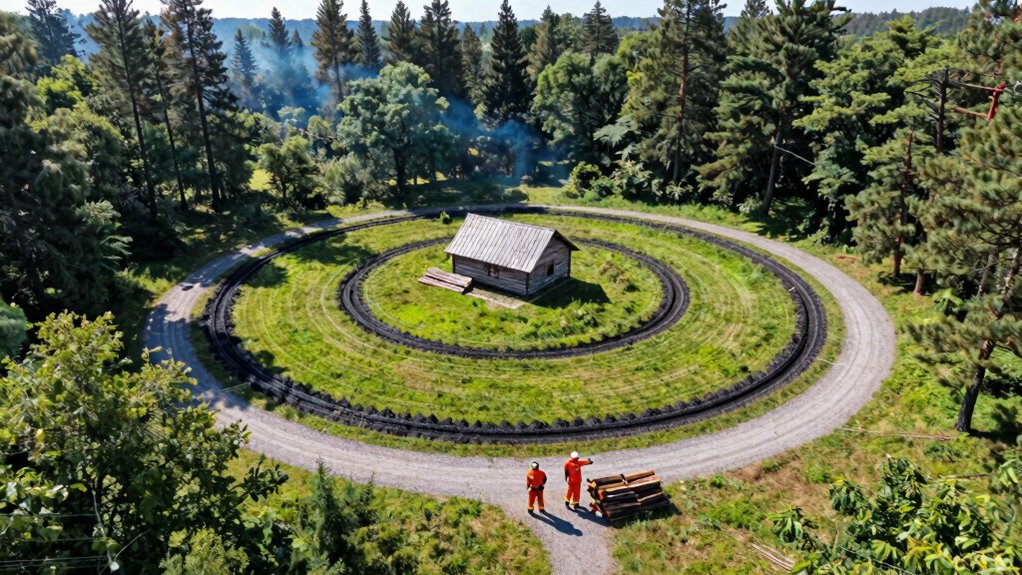
You should also establish a defensible space around your property. Trim back any overgrown vegetation, dead plants, or leaf litter that could fuel a fire. Create a buffer zone by maintaining a safe distance between trees and your home, and consider installing fire-resistant landscaping elements like gravel or stone around your foundation. These steps don’t just help in reducing fire risk—they can also make firefighting efforts more effective if a blaze does occur. Additionally, understanding the importance of biodiversity in your landscaping can contribute to creating a resilient and fire-smart environment around your home.
Preparing for wildfire season isn’t just about physical barriers and evacuation plans; it’s about cultivating awareness and readiness. Stay informed on local fire alerts, weather conditions, and community resources. Sign up for emergency notifications and connect with neighbors to coordinate efforts. The sooner you start these preparations, the more resilient your home and community will be when wildfire season arrives. By combining the use of fire resistant materials with thorough evacuation planning, you’re taking the smartest, most proactive steps to safeguard what matters most before summer’s flames threaten your peace of mind.
fire-resistant roofing materials
As an affiliate, we earn on qualifying purchases.
As an affiliate, we earn on qualifying purchases.
Frequently Asked Questions
How Early Should I Start Preparing for Wildfire Season?
You should start preparing for wildfire season at least a few months in advance, ideally in spring. Begin by creating an emergency kit with essentials like water, medications, and important documents. Also, plan fire-resistant landscaping around your home to reduce fire risk. Early preparation guarantees you have enough time to complete safety measures, reduce potential damage, and stay ahead of the wildfire season’s peak danger periods.
What Are the Most Overlooked Wildfire Risks in My Area?
You might overlook the risks posed by dense vegetation and improper clearance around your home. Overgrown plants can fuel fires, so focus on vegetation management to reduce fire spread. Also, don’t forget about community evacuation plans—knowing your routes and assembling a safety kit can save lives. Regularly check with local authorities for updates on wildfire risks, and stay proactive by maintaining clear zones and staying informed about your area’s specific hazards.
How Can I Protect My Pets From Wildfires?
Oh, the glamorous life of pet protection! To keep your furry friends safe during wildfires, prioritize pet evacuation plans and keep a go-bag ready. Make sure your pets are microchipped and have collars with updated info. Keep wildfire safety gear like carriers and leashes handy. Don’t forget to include food, water, and medications. With preparation, you can turn wildfire chaos into just another day for your beloved pets.
Are There Government Grants for Wildfire Preparedness?
Yes, you can access government funding and wildfire grants to improve your wildfire preparedness. These grants often help cover costs for creating defensible space, emergency supplies, and community wildfire safety projects. To find the right programs, check local and state government websites or contact your fire department. Applying for wildfire grants can make your home and community safer, giving you peace of mind before wildfire season hits.
What Insurance Coverage Is Best for Wildfire Damage?
Your wildfire insurance should provide extensive coverage options to protect your home and belongings. The best coverage includes dwelling, personal property, and additional living expenses. Don’t settle for minimal protection—wildfire damage can be catastrophic! Look for policies that specifically address wildfire risks, ensuring you’re covered in case flames threaten your property. Choosing the right wildfire insurance means peace of mind, knowing you’re prepared for even the worst wildfire season.
Conclusion
By preparing now, you’re not just safeguarding your home—you’re protecting your loved ones. Did you know that over 80% of wildfires are caused by human activity? Taking proactive steps, like creating defensible space and having an emergency kit ready, can make all the difference. Start early, stay vigilant, and you’ll be better equipped to face wildfire season head-on. Prevention today can save lives and property tomorrow.
Fall yard work Picks
leaf blowers
As an affiliate, we earn on qualifying purchases.