
Blocking or improperly placing your return vents can seriously reduce indoor air quality and hurt your HVAC system’s efficiency. When furniture, drapes, or objects obstruct vents, airflow gets restricted, causing stale air, dust buildup, and uneven temperatures. This forces your system to work harder, increasing energy bills and wear. To keep your home healthy and efficient, make sure vents are clear and well-positioned. Continue exploring how proper vent placement can improve your air quality and system lifespan.

Get garden gear delivered free with Prime
- Fast, free delivery on millions of items
- Prime Video, Amazon Music and more included
- Member-only deals all year
Key Takeaways
- Blocking or obstructing return vents hampers airflow, causing stagnant air and trapping pollutants indoors.
- Improper placement of return vents can lead to uneven temperature distribution and poor air quality.
- Covering or blocking return vents increases system strain and reduces filtration efficiency.
- Neglecting regular inspection and maintenance allows debris to obstruct vents, worsening indoor air quality.
- Inadequate or poorly positioned return vents diminish overall ventilation effectiveness, impacting indoor air health.
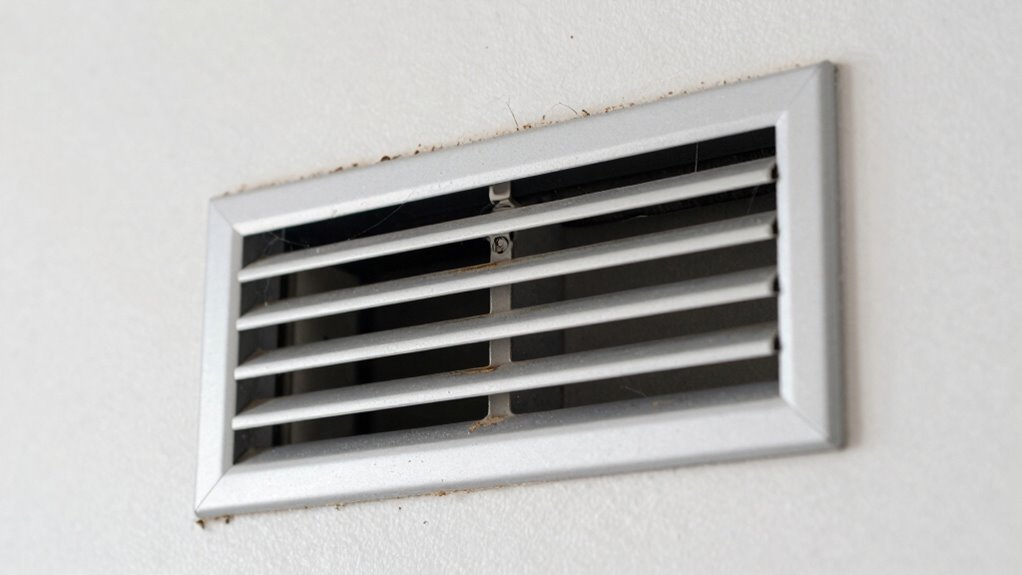
Have you ever overlooked the placement of your return vent and wondered why your heating or cooling system isn’t performing as expected? The truth is, the location of your return vent plays a vital role in maintaining good air quality and system efficiency. When a return vent is poorly placed or blocked, it can lead to airflow obstruction, which hampers the overall ventilation efficiency of your HVAC system. This small oversight can cause your system to work harder, increasing energy bills and decreasing indoor air quality.
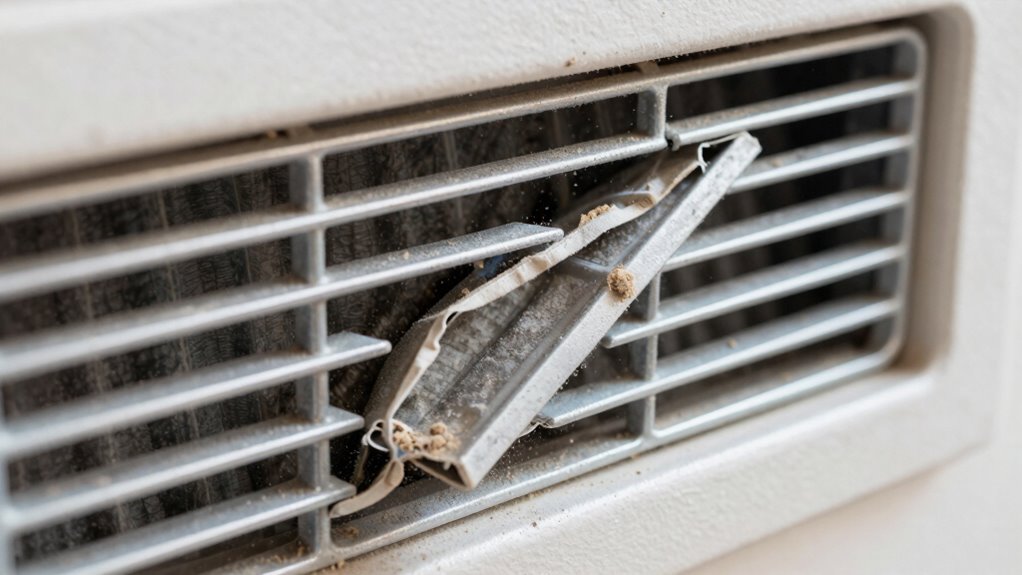
If your return vent is situated in a spot where furniture, drapes, or other objects block airflow, it can markedly reduce the amount of air being pulled back into the system. This obstruction limits the air circulating through your home, creating pressure imbalances that strain your HVAC unit. Over time, this can lead to uneven heating or cooling, hot and cold spots, and an increased risk of dust, allergens, and other airborne particles accumulating. When airflow obstruction occurs, your system compensates by running longer or more frequently, which not only wastes energy but also wears out components faster, shortening the lifespan of your equipment.
Ventilation efficiency depends heavily on proper air circulation. When return vents are obstructed or improperly located, the air doesn’t circulate as it should. Instead of a smooth, consistent flow, the air becomes sluggish or stagnant, reducing the overall air quality inside your home. Poor ventilation allows dust, pet dander, mold spores, and other pollutants to linger, which can worsen allergy symptoms and respiratory issues. You might notice a stale or musty smell lingering in your home, a clear sign that airflow isn’t ideal. Proper placement and unobstructed access to your return vents ensure that the system can effectively filter and circulate fresh air, maintaining a healthier indoor environment. Ensuring proper ventilation can significantly improve indoor air quality and HVAC performance. Additionally, understanding the importance of airflow management can help prevent these issues before they develop.
Regular inspection and ventilation maintenance are crucial for keeping your system functioning optimally and for preventing airflow issues from arising unexpectedly. Addressing this simple but often overlooked mistake can improve your HVAC system’s performance, reduce energy costs, and most importantly, ensure you breathe cleaner, healthier air inside your home.
As an affiliate, we earn on qualifying purchases.
Frequently Asked Questions
How Often Should Return Vents Be Cleaned or Inspected?
You should clean or inspect your return vents at least once a year to prevent airflow blockages. Regular vent maintenance keeps your system running efficiently and ensures good indoor air quality. If you notice dust buildup, strange odors, or poor airflow, consider more frequent inspections. Proper maintenance helps avoid the common mistake of neglecting return vents, which can undermine clean air and cause your HVAC system to work harder than necessary.
What Are the Signs of a Faulty Return Vent System?
You’ll notice airflow restriction, making rooms feel stuffy or less comfortable, which signals a faulty return vent system. Poor vent sealing can cause uneven air circulation, leading to drafts or increased energy bills. If you hear strange noises or see dust buildup around vents, these are signs your system isn’t functioning properly. Addressing vent sealing issues and ensuring clear airflow can restore efficiency and improve indoor air quality.
Can Return Vent Issues Affect Indoor Air Quality?
Think of your return vents as the lungs of your home. If airflow restrictions or poor ventilation design occur, they can trap pollutants and humidity, reducing indoor air quality. You might notice stuffy rooms, allergies worsening, or musty smells. These issues hinder proper air circulation, leading to stale, contaminated air. Addressing vent problems promptly guarantees fresh, healthy indoor air, preventing pollutants from lingering and safeguarding your home’s air quality.
Are There Specific Filters Recommended for Return Vents?
You should use high-quality filters like HEPA or MERV-rated ones for your return vents to improve air quality. These filter types effectively trap dust, allergens, and pollutants. Proper vent placement also matters; make sure vents are positioned away from sources of pollution and in central locations for maximum airflow. Regularly change or clean your filters to maintain their efficiency, preventing the return vent mistake that can undermine clean indoor air.
How Does Return Vent Placement Impact HVAC Efficiency?
Return vent placement greatly impacts HVAC efficiency by optimizing airflow. If vents are positioned too close to heat sources or in poorly ventilated areas, airflow gets disrupted, reducing system performance. Proper vent placement guarantees consistent airflow, preventing strain on your HVAC system and enhancing energy efficiency. By strategically placing return vents, you promote better airflow optimization, which leads to more effective heating and cooling, lower energy bills, and improved indoor air quality.
Conclusion
Remember, a little knowledge goes a long way. By avoiding the mistake of improper return vent placement, you can guarantee cleaner, healthier air in your home. Don’t let small errors turn into big problems—like the old saying, “A stitch in time saves nine.” Regularly check and maintain your vents to keep your HVAC system running smoothly and your indoor air quality high. Stay vigilant, and your home will breathe easier.
Halloween Picks
halloween
As an affiliate, we earn on qualifying purchases.