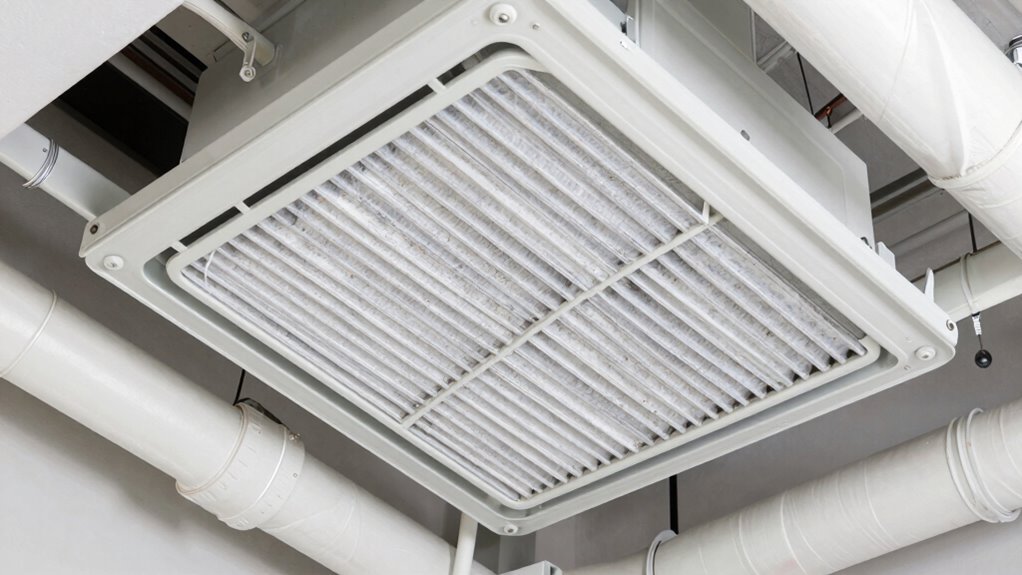
A central HVAC filter helps improve indoor air quality by trapping dust, pollen, pet dander, and other common particles, but it can’t eliminate microscopic allergens like viruses or bacteria. It also won’t fix mechanical issues such as leaks, airflow problems, or ductwork damage. Relying solely on the filter can create a false sense of security. To get a clearer picture of what’s possible—and what’s not—you’ll find valuable details if you keep exploring.
Play games included with Prime
Start a Prime free trial and play with Amazon Luna on your devices.
As an affiliate, we earn on qualifying purchases.
Key Takeaways
- Central HVAC filters improve indoor air quality by trapping dust, pollen, and allergens but cannot eliminate viruses or bacteria.
- They cannot fix mechanical issues like duct leaks, airflow problems, or system malfunctions.
- Filters cannot remove root causes of poor air quality, such as mold, fumes, or high humidity.
- Regular filter replacement helps maintain airflow but does not address underlying HVAC system problems.
- Proper ventilation and additional purification methods are necessary for comprehensive indoor air quality improvement.
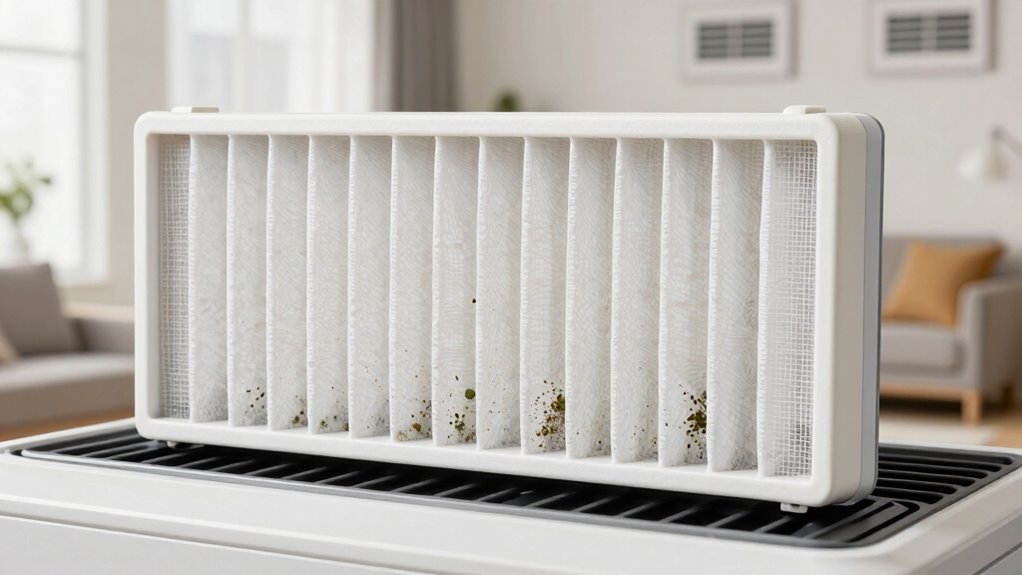
Have you ever wondered how much your central HVAC filter can handle before it starts to cause problems? The truth is, while your filter plays an essential role in maintaining good air quality, it isn’t a miracle worker. Its primary job is to trap airborne particles, such as dust, pollen, pet dander, and other allergens, helping with allergen removal and keeping your indoor air cleaner. But there are limits to what it can do, and understanding them can save you from unnecessary frustrations or even damage to your system.
Your filter is designed to catch certain sizes of particles, but it can’t eliminate every airborne substance. For example, tiny particles like viruses or bacteria often slip through many filters, especially if they’re not high-efficiency models. So, if you’re hoping your filter will make your home sterile or completely allergen-free, you might be disappointed. It’s effective at reducing allergens, but it won’t remove every microscopic irritant on its own. That’s why regular cleaning, air purifiers, or other filtration methods might be necessary if allergy sufferers in your household need relief.
Filters can’t remove all tiny particles like viruses or bacteria; additional air purification may be needed for full protection.
Another thing your filter can’t do is fix underlying air quality problems caused by external sources or poor ventilation. If your home has mold issues, chemical fumes, or high humidity levels, a filter alone won’t resolve these problems. It can trap spores or pollutants once they’re airborne, but it doesn’t address the root cause. In fact, if the air quality is severely compromised, a dirty or clogged filter can restrict airflow, making your HVAC system work harder and potentially lowering air quality further. Proper ventilation is crucial to maintaining good indoor air quality and cannot be replaced solely by filters. Additionally, relying solely on filters can sometimes create a false sense of security, leading homeowners to overlook necessary environmental controls. Understanding air quality factors can help you develop a more comprehensive approach to maintaining a healthier indoor environment.
It’s also important to recognize what your filter can’t fix regarding HVAC system health. A filter can’t repair leaks, fix ductwork problems, or correct airflow imbalances. Regular filter changes are essential, but they won’t compensate for mechanical issues or poor design that cause uneven heating or cooling. If your system isn’t functioning properly, replacing the filter won’t solve those issues. Instead, it might just mask symptoms temporarily. Additionally, understanding the filter efficiency and its limitations can help you choose the right filtration system for your needs. Being aware of these system limitations ensures you don’t rely solely on the filter to maintain optimal indoor air quality and system performance.
As an affiliate, we earn on qualifying purchases.
Frequently Asked Questions
Can a Filter Improve Indoor Air Quality Significantly?
A central HVAC filter can substantially improve your indoor air quality by reducing allergens and airborne particles, but it’s not a complete solution. It enhances air purifier effectiveness and helps with allergen reduction, especially if you choose a high-efficiency filter. However, it can’t eliminate all pollutants like VOCs or bacteria. For best results, combine it with other air cleaning methods to ensure cleaner, healthier indoor air.
Will Changing the Filter Reduce My Energy Bills?
Changing your filter can lower your energy bills by up to 15%, as it reduces airflow restrictions that make your system work harder. A clean filter improves airflow and extends filter lifespan, meaning you won’t need to replace it as often. Regularly swapping out filters keeps your HVAC running efficiently, saving you money in the long run while maintaining better indoor air quality.
How Often Should I Replace My HVAC Filter?
You should replace your HVAC filter every 1 to 3 months for maximum air purifier effectiveness. Regular filter maintenance tips include checking filters monthly and replacing them when they look dirty or clogged. This frequency helps maintain airflow and indoor air quality, preventing dust and allergens from accumulating. Keep in mind, high-efficiency filters may last longer, but consistent replacement ensures your system runs efficiently and your home stays healthier.
Can a Filter Fix Persistent Indoor Odors?
A filter alone can’t fully fix persistent indoor odors, but it can help with odor absorption and air purification. High-quality filters with activated carbon or charcoal layers are more effective at trapping smells, reducing their presence in your home. Regularly changing your filter enhances its ability to absorb odors and improve air quality. Keep in mind, for strong or lingering smells, additional air purifiers or cleaning may be necessary.
Does a Higher MERV Rating Mean Better Filtration?
A higher MERV rating acts like a finer net, catching smaller particles and improving your air quality. However, it might also slow airflow, reducing filter lifespan and efficiency if your system isn’t designed for it. So, yes, a higher MERV generally means better filtration, but verify your HVAC system can handle it. Balancing air quality with filter lifespan ensures your system runs smoothly and keeps your air clean.
Conclusion
Remember, a central HVAC filter helps improve air quality and protect your system, but it’s not a cure-all. It can’t eliminate all pollutants or fix underlying issues like duct leaks or mold. Did you know that a good filter can remove up to 95% of airborne particles? Still, regular maintenance and addressing other problems are essential for a truly healthy and efficient home environment. Keep your expectations realistic, and your system will serve you better.
Fall Picks
fall essentials
As an affiliate, we earn on qualifying purchases.