
TL;DR

Get garden gear delivered free — and shop member deals
- Fast, free delivery on millions of items
- Access to Prime Big Deal Days deals on October 6–7
- Prime Video, Amazon Music and more included
A recent study in Nepal shows that declining pollinating insects threaten local diets and incomes. Protecting these insects could enhance nutrition and economic stability for smallholder farmers globally.
A new study published in the journal Nature confirms that declines in pollinating insects in Nepal’s Jumla district are directly impacting local crop production, diets, and incomes, underscoring the importance of pollinator conservation for human health and economic resilience.
The study, conducted in ten smallholder farming villages, tracked the diets of 776 residents over a year, revealing that more than 80% of key micronutrients—such as vitamin A, folate, and vitamin C—came from locally grown foods. It also identified that pollinator-dependent crops like fruits, vegetables, and beans contributed over 60% of certain nutrients and up to 90% of household income.
Farmers in Jumla have reported sharp declines in honey production, attributed to changing weather, reduced wildflowers, and increased pesticide use. Researchers warn that continued pollinator decline could lead to a 15% reduction in farming income and nearly 10% drops in vitamin A and folate intake by 2030. Complete loss of local pollinators could halve incomes and significantly impair nutritional intake, risking increased malnutrition and health issues, such as weakened immunity and birth defects.
Why It Matters
This research highlights that biodiversity loss is not only an environmental concern but also a direct threat to human health and economic stability, especially for vulnerable smallholder farmers. Protecting pollinators could be a key strategy to improve diets and livelihoods worldwide, particularly in regions where agriculture depends heavily on insect pollination.
pollinator-friendly native flower seeds
As an affiliate, we earn on qualifying purchases.
As an affiliate, we earn on qualifying purchases.
Background
Smallholder farms comprise 84% of farms globally and provide food for 2 billion people. Prior to this study, the link between pollinator health and human nutrition was recognized but not thoroughly quantified. Recent environmental changes, including climate shifts, habitat loss, and pesticide use, have led to declines in wild pollinator populations, raising concerns about food security and nutrition in vulnerable communities.
“The study in Jumla clearly demonstrates how pollinator decline threatens both local diets and incomes, emphasizing the need for conservation efforts.”
— Gaby Clark, MA, copy editor
“Protecting pollinators is essential not only for biodiversity but also for maintaining nutritious food supplies and economic stability in smallholder communities.”
— Alexander Pol, PhD, researcher
What Remains Unclear
It remains unclear how rapidly pollinator populations will recover if conservation measures are implemented and whether similar patterns are occurring in other regions with different ecosystems and farming practices. The long-term impacts on global food security require further investigation.
What’s Next
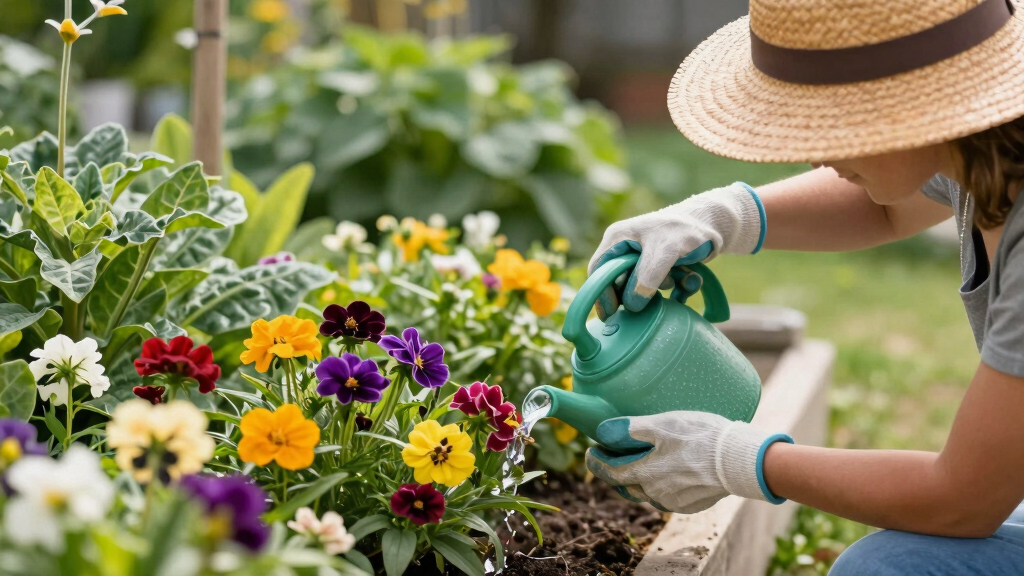
Researchers plan to expand studies to other regions and develop targeted conservation strategies, such as planting native flowers and reducing pesticide use. Policymakers and agricultural stakeholders are encouraged to integrate pollinator protection into food security and climate adaptation policies.
Key Questions
How do pollinators affect human nutrition?
Pollinators facilitate the production of many fruits, vegetables, and beans, which are rich sources of essential micronutrients like vitamin A and folate, crucial for health and development.
What are the main threats to pollinators in Jumla?
Changing weather patterns, habitat loss from heavy grazing, and increased pesticide use are reported as primary threats to wild and managed pollinator populations.
Can protecting pollinators improve local incomes?
Yes, the study indicates that healthier pollinator populations increase the yield and economic value of pollinator-dependent crops, boosting household incomes.
Are these findings applicable elsewhere?
While specific data come from Jumla, similar dependencies on pollinators are common in smallholder farms worldwide, making these findings relevant to many regions.
What actions can be taken to protect pollinators?
Planting native flowering plants, reducing pesticide use, protecting nesting habitats, and promoting pollinator-friendly farming practices are effective strategies.
Halloween Picks
halloween
As an affiliate, we earn on qualifying purchases.