TL;DR

Get garden gear delivered free with Prime
- Fast, free delivery on millions of items
- Prime Video, Amazon Music and more included
- Member-only deals all year
A Gardening Know How report describes how bringing plants indoors as windows close and heating begins can add potential allergy triggers, including dusty leaves, damp potting mix and plant pollen or sap. It names weeping fig, yucca, peace lily, potted mums and English ivy, while stressing that sensitivity varies and the plants do not need to be removed automatically. Practical steps include wiping leaves, avoiding waterlogged soil and seeking allergy testing if symptoms persist.
Gardening Know How has identified five common houseplants that may add to fall allergy symptoms as outdoor plants return indoors: weeping fig, yucca, peace lily, potted mums and English ivy. The report says dust, damp potting mix, pollen and contact with plant sap or leaves can be potential triggers, but notes that houseplant allergies are uncommon overall and that exposure does not affect everyone in the same way.
The seasonal change can bring several indoor exposures together. As windows close and a home’s furnace runs for the first time, heating may stir up settled dust and particles in vents, while reduced ventilation means less outdoor air enters the home. Plants moved in from porches or patios can also carry dust, and watering habits that worked during summer may leave soil too wet as growth slows in shorter days. The report says mold can form on persistently wet potting mix; it also cautions that a study of plant-filled homes found little Aspergillus fumigatus in the air unless plants or soil were disturbed.
The five plants pose different potential exposures. Weeping fig (Ficus benjamina) has allergenic proteins in its milky sap, which may also be found in dust around the plant; the report notes possible cross-reaction with natural rubber latex. Yucca leaves can collect dust, and the source cites skin-prick test sensitization and reports of hives among people who handle the plant. For peace lilies, documented cases have involved pollen and leaves. Potted mums contain potential allergens on flowers and fine leaf hairs, while English ivy contains falcarinol, which can irritate skin or cause an allergic rash, particularly after handling.
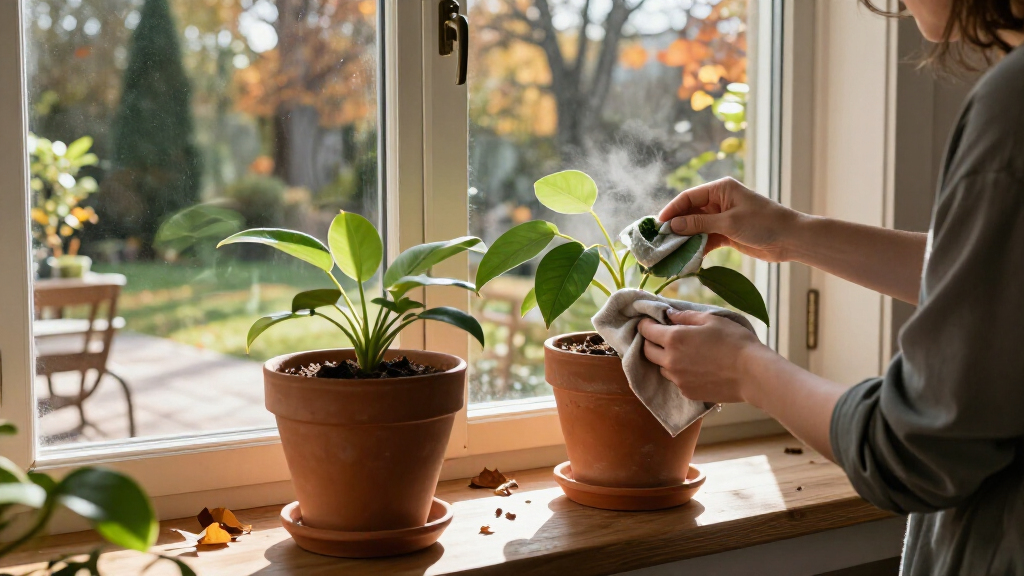
Suggested measures focus on reducing exposure rather than removing every plant. The report recommends wiping leaves with a damp cloth, rinsing smaller plants, and letting the top of the potting mix dry between waterings. It advises emptying saucers, removing a white, cottony layer from soil outdoors and replacing the surface with fresh potting mix. People handling mums or pruning ivy should limit skin contact and wash their hands afterward; those with a latex allergy should use latex-free gloves when pruning a weeping fig. The report also suggests keeping flowering peace lilies out of bedrooms and rinsing outdoor-summered ivy before bringing it inside.
How Plants Add to Indoor Fall Exposures
The report matters to people whose congestion or other allergy symptoms become more noticeable when they spend more time indoors. Houseplants are one possible contributor, not a confirmed cause: seasonal symptoms can also coincide with dust stirred up by heating, dust mites, reduced ventilation or mold associated with damp conditions. Treating every plant as a culprit could lead to unnecessary removal, while ignoring watering and cleaning may leave avoidable sources of exposure in place.
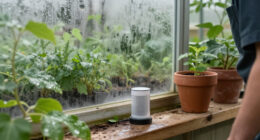
The practical steps are low-impact and target identifiable conditions. Damp-wiping leaves removes settled dust; allowing soil to dry between waterings addresses persistently wet mix; and wearing gloves reduces contact with sap or irritating plant material. The source says an air purifier with a HEPA filter may capture fine dust and pollen from the air, but it will not remove dust from the leaves themselves. These measures may reduce exposure, but the report does not claim they will prevent or treat allergy symptoms.
For people with persistent symptoms, identifying the cause can matter more than guessing from a list. An allergist can test for specific houseplants, according to the report. Results may help a person decide whether to change plant care, reduce contact or move a particular plant, rather than giving up houseplants as a group.
As an affiliate, we earn on qualifying purchases.
Why Indoor Conditions Shift in Fall
The source describes a seasonal pattern: during summer, some plants remain outside and windows are often open. By late September, plants may come inside as windows close and heating starts. That can increase contact with plant-related material at the same time that dust from vents and indoor surfaces is being stirred up.
Shorter days can also slow houseplant growth, while watering may continue on a summer schedule. The report says soil that stays wet can develop surface mold, and recommends letting the top layer dry between waterings and draining excess water. It notes that bagged potting mixes may contain molds, but presents disturbance of plants or soil as a factor in whether some mold becomes airborne. These details do not establish that a particular plant or mold is causing an individual’s symptoms.
“Houseplant allergies are fairly uncommon overall, but they can still be troublesome for sensitive people.”
— Gardening Know How report
What the Plant List Cannot Confirm
The source does not provide a date for publication, prevalence figures for reactions to each plant, or evidence that any one of the five is responsible for a particular person’s fall symptoms. It describes documented cases and sensitization findings, but those do not show that everyone exposed will develop symptoms. Individual sensitivity and the route of exposure vary.
Fall symptoms can have several possible sources, including dust, dust mites, pollen and damp conditions. The report does not establish how much each factor contributes in a given home, or whether cleaning a plant or changing watering habits will resolve symptoms. It also does not supply detailed study information for the cited research on mold in plant-filled homes. Persistent or severe symptoms warrant medical advice rather than relying on a houseplant list alone.
Steps to Take at Home
As plants come indoors, the report recommends inspecting and rinsing them, wiping dust from leaves, and checking that pots drain properly. Let the top of the soil dry between waterings, empty saucers, and avoid placing slow-drying containers in humid conditions. Wear latex-free gloves to prune weeping fig if you have a latex allergy, and use gloves when handling mums or ivy if skin reactions are a concern.
If symptoms continue into October, the next step suggested by the report is to consult an allergist about testing for specific houseplants. A plant that is identified as a trigger could be moved away from living or sleeping areas; the report gives a friend’s sunroom as one possible place for a weeping fig. Whether symptoms improve after changes to the home remains something to monitor, not a result the source guarantees.
Key Questions
Which five houseplants does the report identify?
It names weeping fig, yucca, peace lily, potted mums and English ivy as plants that may contribute to allergy symptoms in some people.
Should I remove these plants from my home?
Not automatically. Gardening Know How says risk depends on the plant, how it is handled and personal sensitivity. Cleaning leaves, adjusting watering and reducing direct contact may help limit exposure.
What should I do if my houseplants may be triggering symptoms?
Wipe leaves with a damp cloth, avoid waterlogged soil and drain saucers. If symptoms persist, the report recommends consulting an allergist about testing for specific plants and other possible triggers.
Can an air purifier remove allergens from plant leaves?
The report says a HEPA air purifier may capture fine dust and pollen in the air, but it will not remove dust sitting on leaves. Those need to be cleaned directly.
Which plants call for extra care when handled?
Use latex-free gloves when pruning a weeping fig if you have a latex allergy. Gloves and handwashing can also reduce skin contact with mums and English ivy, which the report associates with possible skin reactions.
Source: rss
Halloween Picks
halloween
As an affiliate, we earn on qualifying purchases.