AHAM numbers can be misleading if you ignore the context behind them. They measure performance under controlled testing, which doesn’t always match real-world conditions in your home. Factors like room size, insulation, and usage habits affect actual results. Relying solely on these numbers can give you an incomplete picture of safety and effectiveness. To make better decisions, it’s important to understand what these ratings really mean and what they don’t cover—if you want to know more, keep exploring.
Listen free for 30 days with Audible
Thousands of audiobooks and originals — cancel anytime.
As an affiliate, we earn on qualifying purchases.
Key Takeaways
- AHAM numbers reflect standardized testing results, which may not match real-world home conditions or usage.
- They do not guarantee safety, efficiency, or overall product quality beyond performance metrics.
- Testing protocols focus on specific variables and may overlook factors like installation, maintenance, or environment.
- Safety depends on proper use and adherence to safety features, not just AHAM ratings.
- Comprehensive product evaluation requires considering ratings alongside safety, installation, and practical household factors.
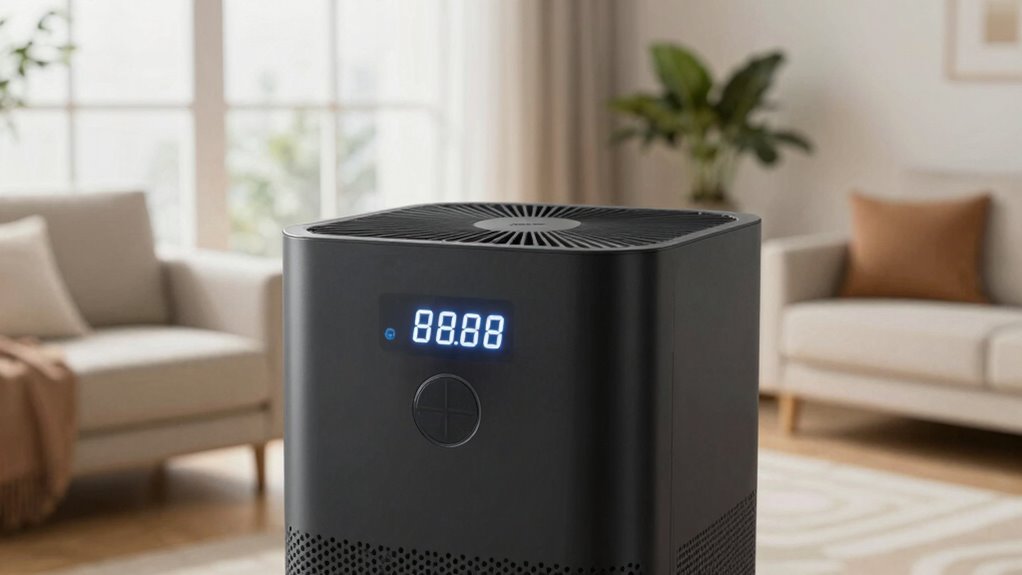
Without proper context, AHAM numbers can be misleading or misinterpreted. These figures, often touted as a quick way to compare appliances or products, don’t tell the full story unless you understand how they’re derived and what they actually measure. When you see an AHAM number, it’s tempting to assume it guarantees a product’s safety, efficiency, or overall quality, but that’s not always the case. Instead, you should view these numbers as just one piece of the puzzle, especially since consumer safety depends on more than a single rating. Industry standards set the foundation for these ratings, but they don’t account for every variable that impacts how a product performs in real-world scenarios. As a consumer, it’s your responsibility to dig deeper and consider the context behind those numbers before making a decision.
AHAM numbers are useful but should be considered alongside safety, real-world performance, and expert advice for informed decisions.
AHAM (Association of Home Appliance Manufacturers) numbers primarily focus on specific testing protocols that measure performance, such as airflow, noise levels, or energy consumption. While these tests are conducted under standardized conditions, they don’t always reflect how a product will function in your home environment. For example, a dehumidifier with a high AHAM number might perform well in controlled lab settings, but factors like room size, insulation, or usage habits can influence actual effectiveness. Relying solely on the number overlooks these practical considerations and can lead to unmet expectations. This is why understanding the industry standards behind the testing is vital for evaluating whether a product truly meets your needs. Recognizing the limitations of performance testing protocols can help you make more informed choices, especially when considering real-world application factors.
Additionally, testing protocols used for AHAM ratings are designed to assess performance under specific conditions, which may not match your everyday usage. Consumer safety is another essential aspect often misunderstood when looking at AHAM ratings. These ratings don’t necessarily indicate safety features or the absence of hazards. Just because a product scores well on performance tests doesn’t mean it’s safe to use without proper precautions. Manufacturers may meet industry standards, but safety also depends on proper installation, maintenance, and usage. It’s also important to stay informed about product recalls and safety certifications that can impact your safety beyond just the ratings. This broader perspective helps guarantee your safety and the safety of your household. Understanding how these safety factors intersect with performance ratings is key to making well-rounded decisions.
dehumidifier with safety features
As an affiliate, we earn on qualifying purchases.
As an affiliate, we earn on qualifying purchases.
Frequently Asked Questions
How Are AHAM Numbers Initially Determined?
AHAM numbers are initially determined through standardized testing procedures that evaluate an appliance’s energy efficiency. You’ll find that these tests are conducted in controlled environments, following specific protocols to guarantee consistency. These testing procedures measure how efficiently an appliance uses energy during typical operation. It’s important to remember that while the numbers provide a helpful benchmark, they don’t account for real-world variations, so consider the context of your actual usage.
Do AHAM Numbers Vary Between Different Appliance Models?
You might find that AHAM numbers do vary between different appliance models, reflecting subtle differences in design and efficiency. While regulatory standards aim for consistency, consumer skepticism remains valid, as these numbers aren’t absolute. They serve as helpful benchmarks, but you should interpret them within the broader context of real-world performance and individual features. Trusting AHAM numbers alone might overlook the nuanced performance distinctions among models.
Are AHAM Numbers Standardized Across All Appliance Brands?
AHAM numbers aren’t fully standardized across all appliance brands, which influences marketing claims and consumer perceptions. You should be cautious, as different manufacturers might test under varying conditions, leading to discrepancies. Don’t rely solely on these numbers; instead, research how each brand conducts testing and compare actual performance. This way, you’ll get a clearer picture of an appliance’s true capacity, avoiding misconceptions fueled by marketing claims.
How Often Are AHAM Test Results Updated or Reverified?
Consumer skepticism grows when AHAM test results aren’t updated regularly. While these results are based on regulatory standards, they’re typically reverified annually or whenever new models launch. You should check the date of the latest testing, as outdated data can mislead. Don’t rely solely on numbers; consider recent updates and real-world reviews to make informed decisions. Staying vigilant helps guarantee you get appliances that perform as promised.
Can AHAM Numbers Predict Real-World Appliance Performance?
AHAM numbers can’t reliably predict real-world appliance performance because consumer skepticism exists, and performance variability can occur. While these numbers offer a standardized benchmark, actual performance depends on factors like usage habits and environment. You should view AHAM ratings as helpful guides rather than guarantees, understanding that real-world results may differ. Always consider additional reviews and your specific needs for a more complete picture.
Conclusion
You can’t just read the numbers like a map and trust they’ll lead you straight. Aham numbers are like stars—they need the right sky to shine in. Without context, they’re just twinkling lights, not guiding signals. Remember, data without understanding is like sailing without a compass. So, don’t chase shadows—dig deeper, ask questions, and see the full picture. Only then can you truly navigate the complex landscape of information with confidence.
NFL season / tailgating Picks
team gear
As an affiliate, we earn on qualifying purchases.