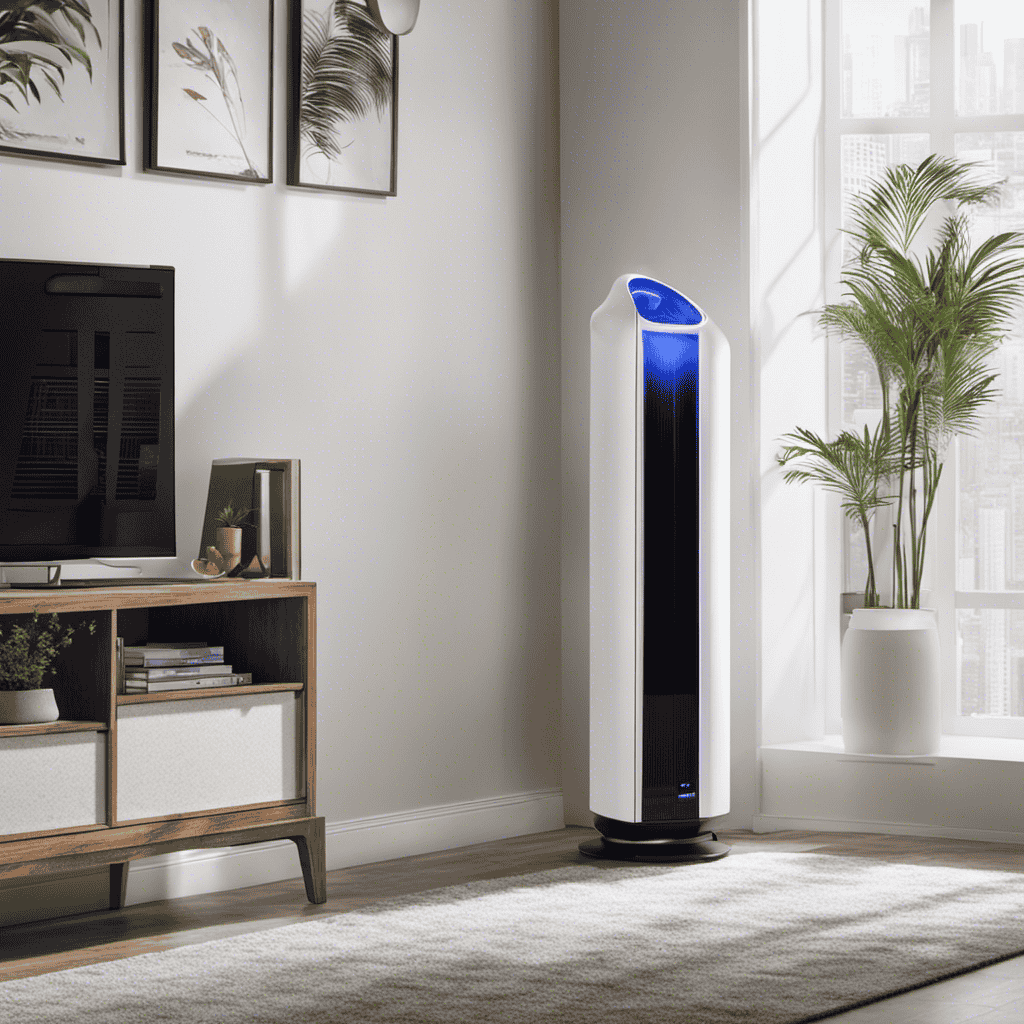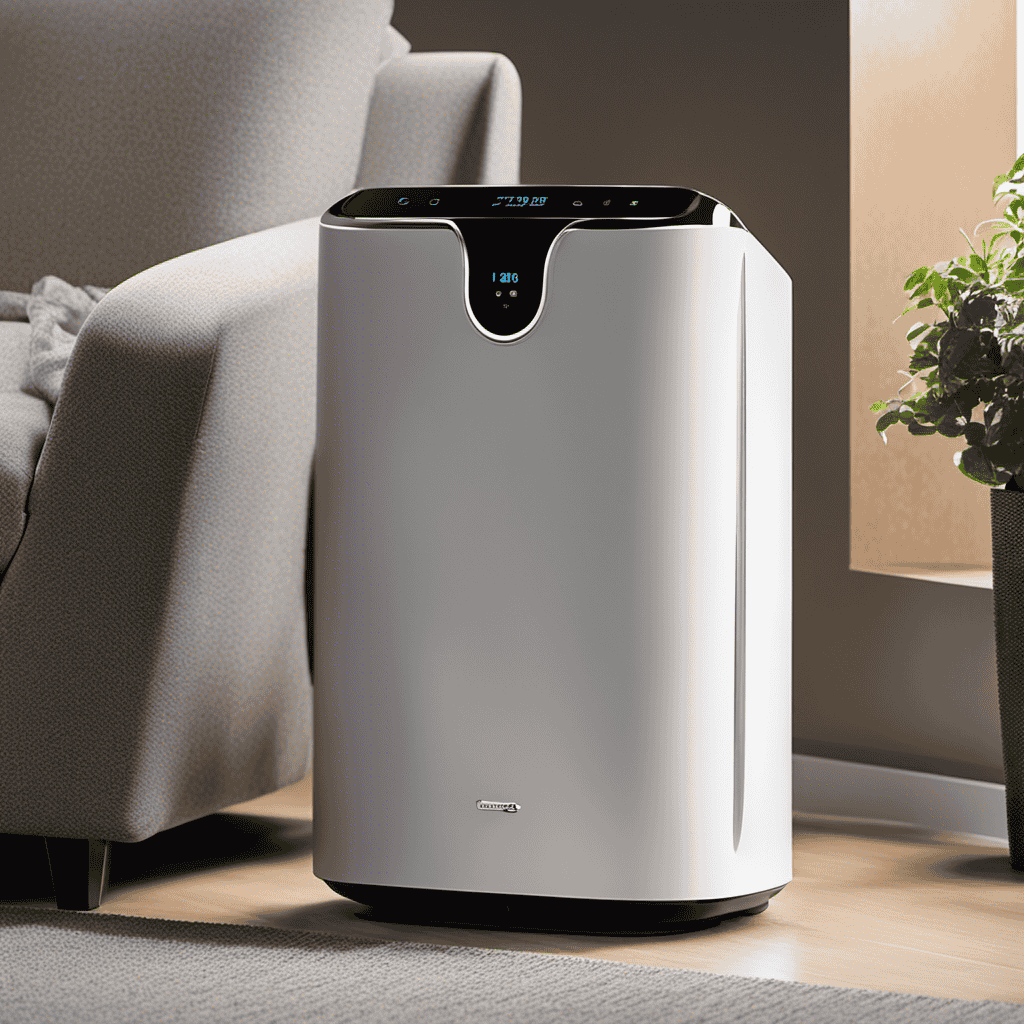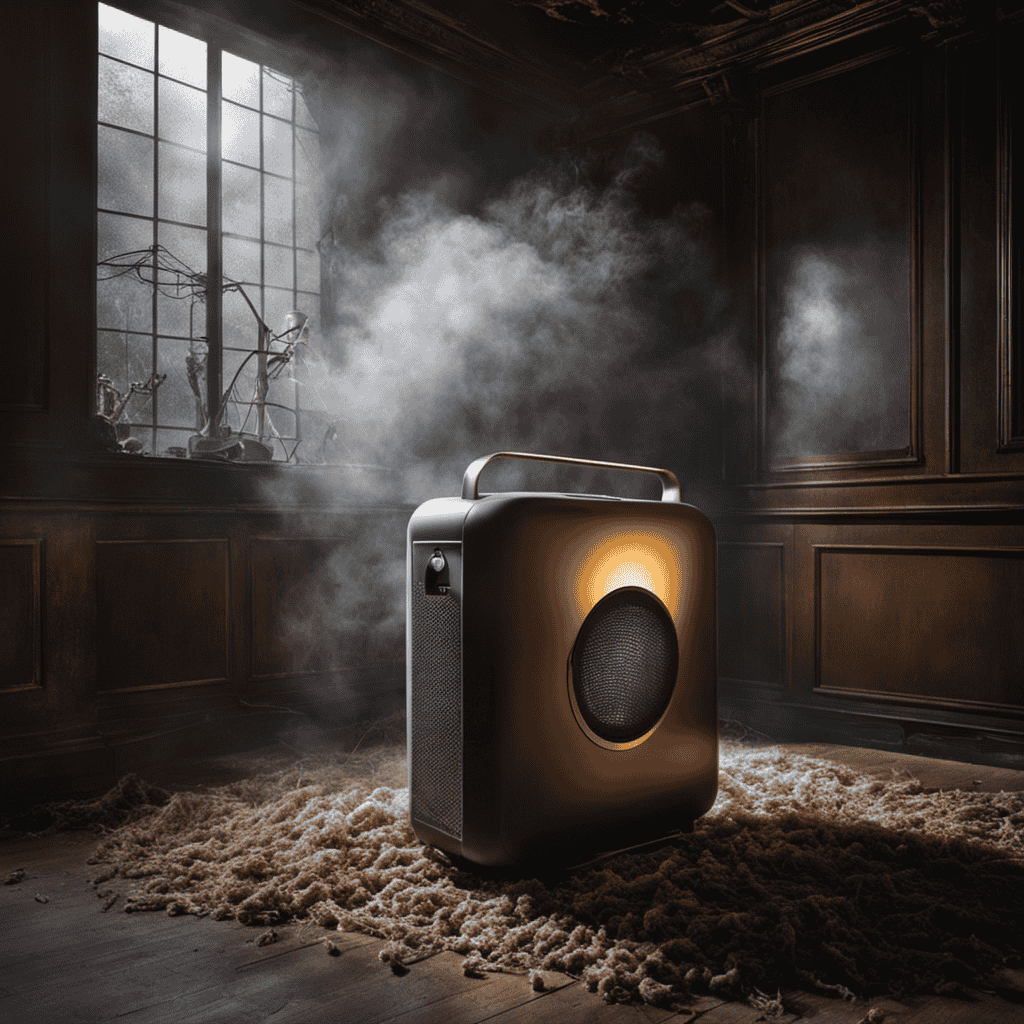
Air purifiers can help reduce secondhand cigarette smoke indoors by capturing particles and odors, especially with filters like HEPA and activated carbon. However, they can’t fully eliminate harmful gases and chemicals present in smoke, so their effectiveness has limits. To create a safer environment, combine air purification with good ventilation and strict no-smoking policies. Want to find out more about fully protecting your indoor air? Keep exploring for expert advice.

Get garden gear delivered free — and shop member deals
- Fast, free delivery on millions of items
- Access to Prime Big Deal Days deals on October 6–7
- Prime Video, Amazon Music and more included
Key Takeaways
- HEPA filters can trap large smoke particles but are less effective against ultra-fine particles and gases.
- Activated carbon filters help absorb VOCs and odors from cigarette smoke, improving indoor air quality.
- Air purifiers alone cannot fully eliminate health risks; combining with ventilation and smoke-free policies is essential.
- Proper maintenance and timely filter replacement are crucial for optimal purifier performance against secondhand smoke.
- Using air purifiers with multiple technologies and enforcing no-smoking rules provides the most effective smoke reduction indoors.
HEPA air purifier for cigarette smoke
As an affiliate, we earn on qualifying purchases.
As an affiliate, we earn on qualifying purchases.
How Cigarette Smoke Affects Indoor Air Quality
Cigarette smoke considerably deteriorates indoor air quality by releasing a complex mix of chemicals, particulates, and toxins into the environment. These pollutants can have serious health effects, especially for vulnerable individuals like children or those with respiratory issues. Breathing in secondhand smoke increases the risk of asthma, bronchitis, and even heart disease. Additionally, cigarette smoke produces a persistent odor that can linger long after smoking stops. This smell can be difficult to remove and often requires targeted odor removal techniques. Poor air quality caused by smoke not only harms your health but also diminishes the comfort of your home. Understanding these impacts highlights the importance of addressing cigarette smoke indoors to protect your well-being and maintain a clean indoor environment. Advances in AI-powered air purification technology are being explored to better mitigate indoor pollutants and improve air quality, especially through advanced filtration systems.
Types of Air Purifiers and Their Filtration Capabilities
To effectively combat cigarette smoke indoors, understanding the different types of air purifiers and their filtration capabilities is essential. You should look for devices that combine HEPA filters and activated carbon to maximize removal of smoke particles and odors. HEPA filters trap airborne particles as small as 0.3 microns, including tar and nicotine residues. Activated carbon filters absorb volatile organic compounds and odors from cigarette smoke. Additionally, ensuring the proper application timing of air purifiers can enhance their effectiveness in reducing indoor smoke levels. Here are four common types: 1. HEPA air purifiers with activated carbon filters 2. UV-C light purifiers for sterilization 3. Ionic air purifiers 4. Electrostatic precipitators. Some filtration systems are specifically designed to optimize smoke removal by combining multiple technologies for comprehensive purification. Understanding the filtering mechanisms involved can help select the most effective device for your needs.
Limitations of Air Purifiers in Filtering Secondhand Smoke
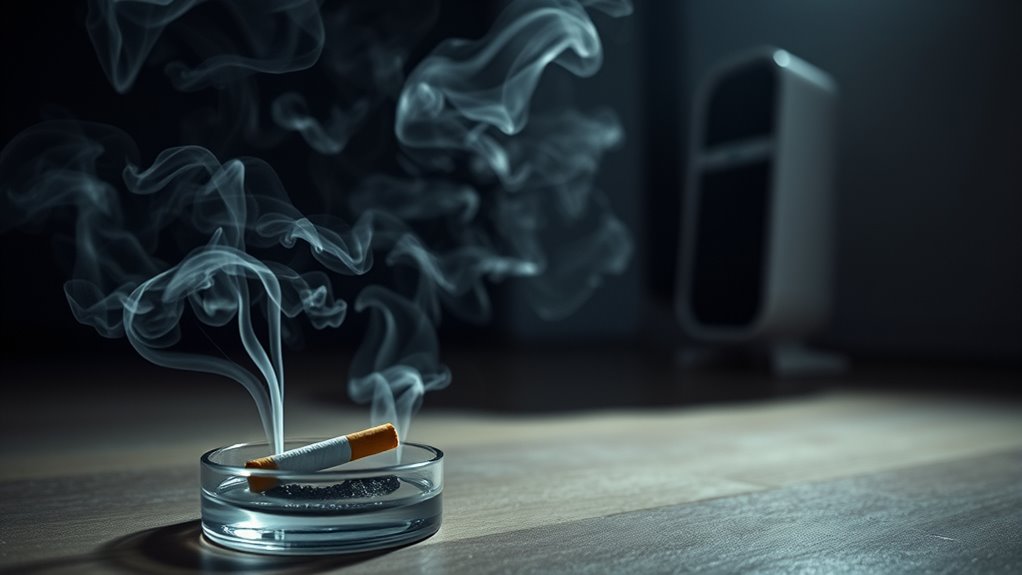
While air purifiers can considerably reduce indoor smoke, they have limitations when it comes to filtering secondhand cigarette smoke. HEPA filters are effective at capturing larger particles like tar and ash, but their effectiveness diminishes with ultra-fine smoke particles and gases. Secondhand smoke contains volatile organic compounds (VOCs) that HEPA filters can’t fully eliminate. Additionally, air purifier maintenance is essential; dirty or neglected filters lose efficiency, allowing more smoke to pass through. Even high-quality units may struggle to keep up in heavily smoked environments or in rooms with poor air circulation. Glycolic acid can improve skin health but does not influence air purification. Consequently, relying solely on air purifiers isn’t enough. Proper placement, regular filter changes, and understanding their capabilities help maximize their potential, but they can’t entirely eliminate the health risks of secondhand smoke.
Additional Strategies for Reducing Secondhand Smoke Exposure

Implementing multiple strategies can substantially reduce your exposure to secondhand smoke. One effective approach is to establish a strict no-smoking policy inside your home, preventing smoke odor from lingering. Using air purification systems designed to target smoke particles can help reduce airborne contaminants, but combine this with good ventilation to improve air quality. You can also create designated smoking areas outdoors, keeping the smell and harmful particles outside. Additionally, using exhaust fans in kitchens and bathrooms helps remove smoke odor and airborne toxins quickly. These strategies work together to limit secondhand smoke’s impact on your indoor environment. While air purification plays a role, combining it with behavioral changes ensures a healthier, smoke-free space. Incorporating airless paint sprayers for home improvement projects can also minimize indoor dust and fumes associated with painting, further contributing to better indoor air quality. Moreover, understanding the benefits of air purification systems designed specifically for smoke removal can optimize your efforts to create a safer indoor environment and reduce the need for extensive home security systems to monitor indoor air quality. Additionally, selecting products with certifications for air quality improvement can further enhance the effectiveness of your air purification efforts.
Making Indoor Environments Safer for Non-Smokers
Creating a safer indoor environment for non-smokers requires proactive measures to minimize their exposure to harmful smoke residues. Begin by addressing smoke odor, which signals lingering particles and chemicals. Using air purifiers equipped with HEPA and activated carbon filters can help reduce smoke odor and improve air quality. Regular air quality monitoring allows you to track pollutant levels and identify when ventilation or purification needs adjustment. Keep windows open when possible to increase fresh air flow. Establish designated smoking areas outside, away from common spaces, to prevent smoke from seeping indoors. Communicating these practices encourages a smoke-free environment. Implementing these steps actively reduces secondhand smoke risks, creating a healthier space where non-smokers can breathe easier and feel safer. Additionally, choosing air purifiers with HEPA filters can further enhance the removal of fine particles and chemicals associated with cigarette smoke. Maintaining proper ventilation and air circulation can significantly improve indoor air quality by dispersing residual smoke particles more effectively, and understanding the types of pollutants present in indoor air can help tailor appropriate purification strategies. Incorporating low-emission building materials can also contribute to reducing indoor pollutants over time. To further enhance indoor air safety, it’s beneficial to stay informed about air quality standards and ensure your environment meets recommended guidelines.
Frequently Asked Questions
How Effective Are Air Purifiers Compared to Ventilation in Removing Smoke?
You wonder how effective air purifier efficiency is compared to ventilation in removing smoke. Air purifiers with HEPA filters can trap many smoke particles, making them quite effective for localized air cleaning. However, ventilation often provides a broader solution by exchanging indoor air with fresh outdoor air, reducing overall smoke concentration. In a ventilation comparison, combining both methods offers the best protection, as purifiers target particles directly, while ventilation dilutes the indoor pollutants.
Can Air Purifiers Eliminate All Harmful Chemicals From Cigarette Smoke?
You wonder if air purifiers can truly eliminate all harmful chemicals from cigarette smoke. While chemical filtration improves air quality and offers health benefits, it can’t guarantee complete removal of every toxin. Some particles are too small or persistent for filters to catch. Using high-quality purifiers enhances safety, but don’t assume they’re a perfect solution. Combining ventilation and filtration remains your best approach to reduce exposure and protect your health.
Do Air Purifiers Require Regular Maintenance for Optimal Smoke Filtration?
You need to regularly maintain your air purifier to guarantee it filters smoke effectively. Check the filter lifespan and replace filters as recommended by the manufacturer, usually every 6 to 12 months. Maintenance frequency depends on usage and indoor air quality. Neglecting this could reduce filtration efficiency, making it harder to remove smoke pollutants. Staying on top of filter replacements guarantees your purifier works at its best, keeping your air cleaner.
Are There Specific Air Purifier Models Recommended for Cigarette Smoke?
You should look for air purifiers with HEPA filters and activated carbon to effectively tackle cigarette smoke. HEPA filters capture fine particles, while activated carbon absorbs odors and harmful chemicals. Choose models designed for smoke removal, and verify they have high CADR ratings for smoke. Regular maintenance keeps them working well. Brands like Molekule and Austin Air often get praised for their smoke-reducing capabilities, making your indoor air cleaner and healthier.
How Quickly Can Air Purifiers Improve Indoor Air Quality After Smoking Stops?
You wonder how fast air purifiers can improve indoor air quality after smoking stops. Once you turn on your purifier, it begins working immediately to remove smoke particles and toxins, speeding up smoke dissipation. Typically, you’ll notice a difference within 15 to 30 minutes, with continuous operation leading to clearer air. The purifier’s filters help reduce lingering odors and improve overall air quality, making your space healthier faster.
Conclusion
While air purifiers can help clear some smoke particles, they’re not a magic wand for secondhand smoke. Think of them as a helpful but imperfect filter—like trying to catch all grains of sand with a sieve. To truly protect non-smokers, it’s best to combine purifiers with smoking bans and good ventilation. Creating a smoke-free environment is like building a fortress of fresh air—stronger and safer for everyone inside.
Fall yard work Picks
leaf blowers
As an affiliate, we earn on qualifying purchases.