
To assess indoor airborne pollen and fungal spores, start by monitoring your home’s air quality regularly with HEPA-filtered air purifiers and consider professional mold testing. Keep humidity levels between 30-50% to inhibit mold growth, and improve ventilation in damp areas. Regular cleaning, washing fabrics, and minimizing clutter help reduce allergens. By taking these steps, you gain better control over indoor allergens—if you continue exploring, you’ll discover effective strategies to keep your air healthier.
Key Takeaways
- Conduct regular air quality testing using professional mold tests or portable monitors to detect pollen and spore levels.
- Utilize HEPA-filtered air purifiers and vacuums to reduce airborne and surface allergens indoors.
- Maintain indoor humidity between 30-50% with dehumidifiers to inhibit mold growth and spore proliferation.
- Ensure proper ventilation in moist areas like kitchens and bathrooms to eliminate excess spores and moisture.
- Implement routine cleaning of surfaces, bedding, and fabrics to minimize accumulated pollen and fungal spores.

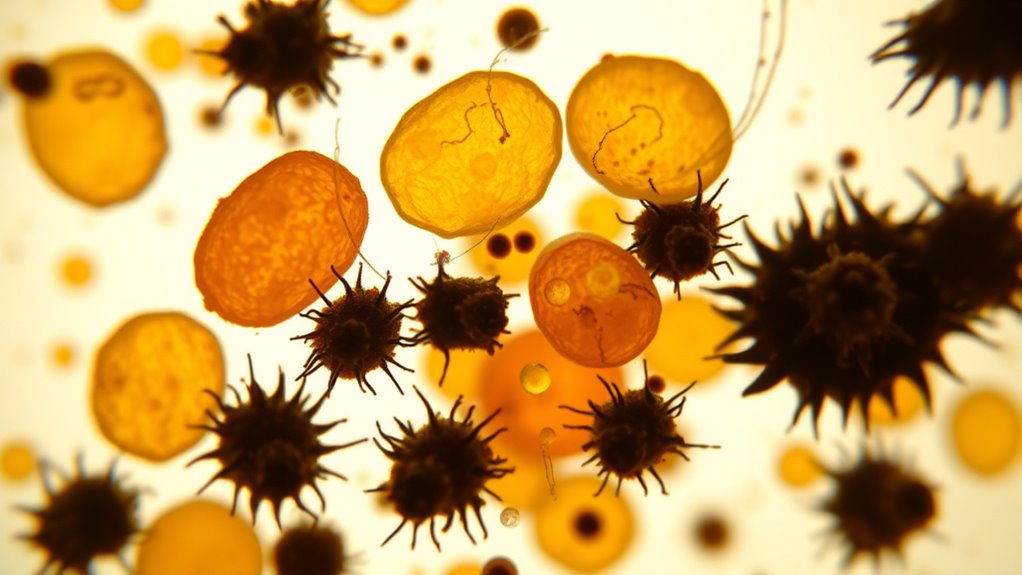
Indoor environments can harbor a variety of pollen and fungal spores that may affect your health, especially if you have allergies or asthma. These airborne particles are often invisible to the naked eye but can substantially impact your well-being. To protect yourself, understanding how to evaluate indoor pollen and fungal spores becomes essential. Good allergy prevention hinges on maintaining ideal indoor air quality, which involves identifying and reducing these allergens effectively.
Indoor pollen and fungal spores can impact health; monitoring and controlling indoor air quality is key to allergy prevention.
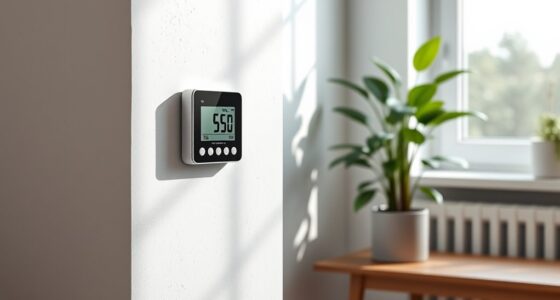
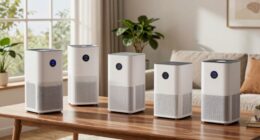
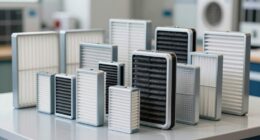
Start by recognizing that pollen and spores enter your home through open windows, doors, and on clothing or pets. Once inside, they can settle on surfaces or remain suspended in the air. Regularly monitoring indoor air quality allows you to identify problematic levels of these particles before symptoms worsen. Using air purifiers with HEPA filters can trap a considerable percentage of pollen and fungal spores, improving the air you breathe. When choosing an air purifier, look for models specifically designed for allergen removal, as they are more effective at filtering out tiny spores.
Another essential step is to keep indoor humidity levels in check. Fungal spores thrive in moist environments, so maintaining relative humidity between 30% and 50% can inhibit mold growth. Using dehumidifiers in damp areas like basements or bathrooms helps reduce mold proliferation and, consequently, airborne spores. Additionally, ensure proper ventilation in your home. Exhaust fans in kitchens and bathrooms help remove excess moisture and airborne particles, preventing them from accumulating and affecting your indoor air quality. Recognizing that lifestyle habits influence indoor air quality can motivate you to adopt healthier routines.
Regular cleaning also plays a key role. Vacuum with a HEPA-filtered vacuum cleaner to pick up spores from carpets and upholstery. Wash bedding, curtains, and other fabric items frequently, as these can harbor spores and pollen. Keep clutter minimal, as dust and pollen can settle on surfaces and become airborne during daily activities. If you suspect high levels of spores, consider using professional services for air quality evaluation or mold testing, especially in hidden or hard-to-reach areas.
Ultimately, evaluating indoor pollen and fungal spores involves a combination of vigilant monitoring, proper ventilation, humidity control, and routine cleaning. By implementing these strategies, you enhance your allergy prevention efforts and improve your indoor air quality. Better air quality means fewer triggers for allergy or asthma symptoms, creating a healthier, more comfortable living environment. Staying proactive in managing indoor airborne spores ensures you’re not just reacting to symptoms but actively reducing their causes, giving you peace of mind and supporting your long-term health.
Frequently Asked Questions
How Do Indoor Pollen Levels Vary Seasonally?
Indoor pollen levels vary seasonally because of pollen dispersal patterns outside. During spring and summer, higher outdoor pollen counts lead to increased indoor pollen levels as windows and doors are open more often. In fall and winter, indoor levels drop due to reduced outdoor pollen dispersal and less ventilation. You’ll notice these fluctuations as allergy symptoms tend to worsen during high pollen dispersal seasons.
What Building Materials Influence Indoor Spore Presence?
You influence indoor spore presence through the building materials you choose. Porous materials like wood, drywall, and carpets allow spores to settle and grow, while non-porous surfaces like tile, metal, and sealed concrete resist spore accumulation. The types of building and material permeability directly impact airflow, moisture, and mold growth, shaping indoor air quality. You can reduce spores by selecting materials that block or limit spore infiltration and growth.
Can Indoor Plants Help Reduce Airborne Spores?
Indoor plants can help reduce airborne spores if you place them strategically and combine them with air filtration. Proper plant placement guarantees spores settle on leaves rather than floating in the air, while air filtration systems capture spores before they circulate. Keep plants healthy and clean to prevent mold growth. Together, these methods can improve indoor air quality and lower airborne spore levels effectively.
How Does Humidity Affect Indoor Pollen and Fungi?
Higher humidity levels promote mold growth and increase airborne pollen and fungi indoors. When humidity exceeds 60%, spores thrive, making it harder to maintain good air quality. You should control humidity by using dehumidifiers and ventilation to keep levels between 30-50%. This helps prevent mold growth and reduces airborne spores, creating a healthier indoor environment for you. Proper humidity control is essential for minimizing indoor pollen and fungi.
What Are the Health Effects of Chronic Indoor Spore Exposure?
Chronic indoor spore exposure can cause continuous complications, compromising your respiratory health and triggering persistent problems. You might notice increased immune responses, leading to allergies, asthma, or other respiratory irritations. Over time, these spores can subtly strain your immune system, making you more vulnerable to infections. To protect yourself, maintain proper humidity, guarantee good ventilation, and regularly clean to reduce spore buildup, safeguarding your long-term health and breathing ease.
Conclusion
Imagine stepping inside and suddenly being overwhelmed by a swirling tornado of pollen and fungal spores, invisible but everywhere. By accurately evaluating indoor airborne particles, you can prevent this chaos from taking over your space. Take control now—detect, monitor, and reduce these tiny invaders before they turn your home into a respiratory battleground. With proper assessment, you won’t just breathe—you’ll breathe easy, as if you’ve cleared the skies of an endless, invisible storm.