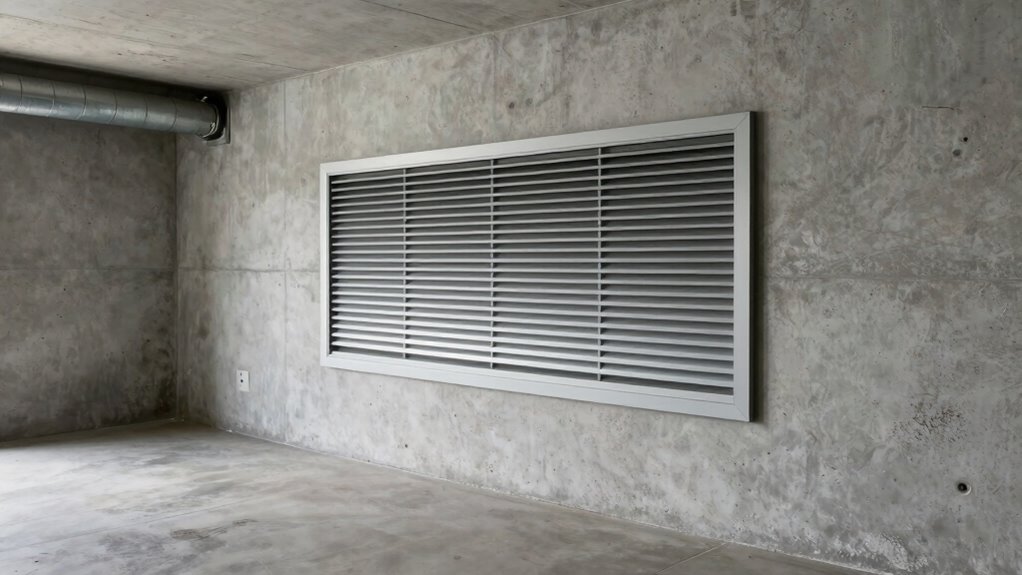
Cracking a window may seem easy, but it only provides temporary airflow and doesn’t control moisture or improve air quality long-term. Instead, a dedicated ventilation system continuously exchanges stale, humid air for fresh air, helping prevent mold, mildew, and rot. These systems can be automated for consistent performance and handle moisture levels better than just opening a window. Keep exploring how a proper setup can considerably improve your basement’s environment and health benefits.

Get garden gear delivered free — and shop member deals
- Fast, free delivery on millions of items
- Access to Prime Big Deal Days deals on October 6–7
- Prime Video, Amazon Music and more included
Key Takeaways
- Dedicated ventilation systems provide continuous airflow, unlike the temporary solution of cracking a window.
- They effectively control humidity and moisture, preventing mold and structural damage.
- Automated systems optimize air exchange, ensuring consistent indoor air quality and odor removal.
- Ventilation units can filter outdoor pollutants, unlike open windows that let in unfiltered air.
- Installing a mechanical setup is simple, cost-effective, and more reliable than relying on natural ventilation.
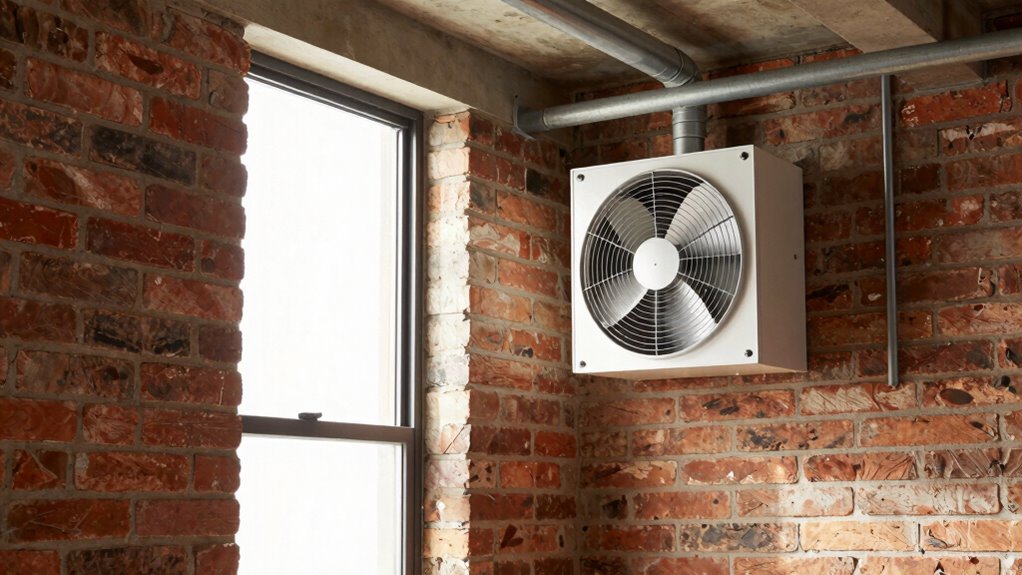
Have you ever wondered why proper basement ventilation is essential? The answer lies in its ability to improve moisture control and air quality, two critical factors that protect your home and health. Basements tend to be damp and prone to stagnant air because they’re often below ground level, making them vulnerable to moisture buildup. Without proper ventilation, excess humidity can lead to mold, mildew, and wood rot, risking structural damage and health issues for your family. Ventilation helps regulate humidity levels, reducing moisture and creating a healthier environment inside your basement. It also ensures fresh air circulates, preventing musty odors and stale air from lingering, which can negatively impact your air quality. Good airflow dilutes airborne pollutants, allergens, and airborne mold spores, making the space safer and more comfortable. Smart ventilation systems can optimize airflow and moisture control through automated, science-backed settings tailored to your basement’s needs.
Many homeowners think that cracking a window is enough to ventilate their basement, but this simple act often falls short. Opening a window may temporarily improve air circulation, but it doesn’t effectively control moisture or prevent the infiltration of outdoor pollutants, especially if weather conditions are poor. Plus, relying on windows alone can be inconvenient and insecure, especially during extreme weather or when you’re away. This is where a dedicated ventilation system makes a difference. Installing an exhaust fan, an air exchange unit, or a balanced ventilation system can establish a consistent flow of fresh air into your basement while removing stale, humid air efficiently. These systems work continuously or on a set schedule, ensuring ideal moisture control and maintaining superior air quality.
As an affiliate, we earn on qualifying purchases.
Frequently Asked Questions
How Often Should Basement Ventilation Systems Be Maintained?
You should maintain your basement ventilation system at least once a year to guarantee it works effectively. Regular checks help you avoid common ventilation myths and airing misconceptions that might lead you to over- or under-ventilate. Keep filters clean, inspect for blockages, and ensure vents aren’t obstructed. Proper maintenance prevents moisture buildup, mold, and poor air quality, so your basement stays healthy and safe year-round.
Can Ventilation Prevent Mold Without Dehumidifiers?
Ventilation is like a gust of fresh air for your basement, and yes, it can help prevent mold without dehumidifiers. By improving air circulation, you reduce excess moisture and keep humidity levels in check. Good ventilation promotes moisture control, which is key to mold prevention. Regularly running fans or vents ensures airflow stays active, making it harder for mold to settle and grow, maintaining a healthier, drier space.
Are There Energy-Efficient Ventilation Options for Basements?
Yes, you can find energy-efficient solutions for basement ventilation. Opt for ventilation types like exhaust fans or energy recovery ventilators (ERVs) that work efficiently with minimal power. These systems help maintain fresh air, reduce moisture, and prevent mold without wasting energy. By choosing the right system, you guarantee good airflow while keeping your energy bills low. Always select options designed specifically for basement spaces to maximize effectiveness.
How Do I Choose the Right Vent Size for My Basement?
To choose the right vent size for your basement, consider your ventilation design and guarantee proper vent placement. Measure the airflow needed to maintain fresh air and reduce moisture. Larger vents allow more air exchange, but avoid oversizing to save energy. Place vents strategically near moisture sources or high-traffic areas, and make sure they’re unobstructed. This balance keeps your basement well-ventilated without wasting energy or compromising efficiency.
Is Basement Ventilation Effective in All Climates?
Like Icarus soaring, you might wonder if basement ventilation wings can truly lift in all climates. The answer is yes, with proper climate adaptation and advanced ventilation technology, your system can handle diverse conditions. In humid regions, dehumidifiers and moisture control work together, while in colder areas, insulated vents prevent heat loss. No matter your climate, a tailored setup guarantees your basement stays fresh and dry year-round.
Conclusion
So, why settle for cracking a window when a simple ventilation setup can do the job better? With just a few easy steps, you can keep your basement fresh, dry, and odor-free all year round. Isn’t it time you took control of your space and avoided the hassle of constant window opening? Invest in a straightforward ventilation system today—you’ll wonder why you didn’t do it sooner!
Evergreen bestsellers Picks
bestsellers
As an affiliate, we earn on qualifying purchases.