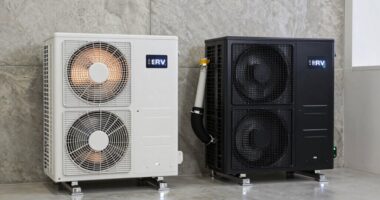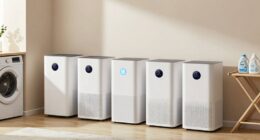

Proper HVAC maintenance plays an essential role in allergy season by preventing airborne allergens from circulating in your home. Regularly changing filters ensures dust, pollen, and pet dander don’t get trapped and spread. Controlling indoor humidity and keeping ducts clean also reduces mold and dust mites. Neglecting maintenance worsens allergy symptoms and lowers air quality. If you want to understand how these steps make a bigger difference than you think, keep exploring the details below.

Get garden gear delivered free — and shop member deals
- Fast, free delivery on millions of items
- Access to Prime Big Deal Days deals on October 6–7
- Prime Video, Amazon Music and more included
Key Takeaways
- Regular filter replacement ensures airborne allergens like pollen and dust are effectively removed, reducing allergy symptoms.
- Proper humidity control prevents mold growth and dust mite proliferation, easing allergy flare-ups.
- Routine duct cleaning minimizes allergen buildup and prevents their circulation throughout the home.
- Well-maintained HVAC systems operate more efficiently, improving air quality and reducing allergen spread.
- Neglecting maintenance during allergy season allows allergens to circulate freely, worsening symptoms and indoor air quality.
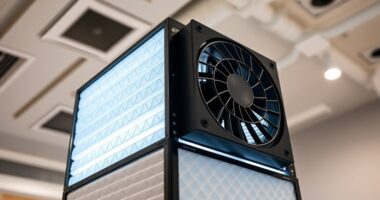
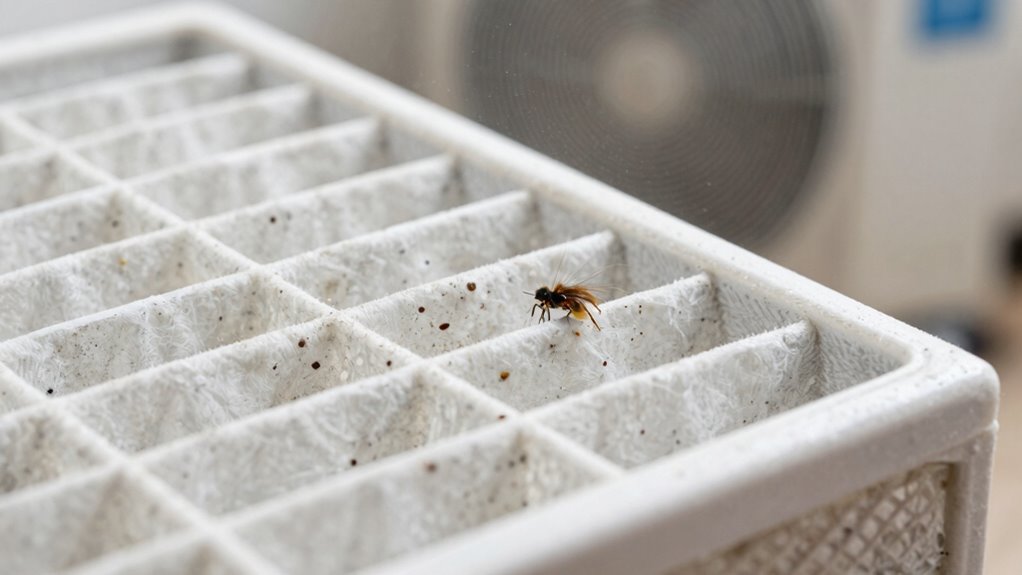
As allergy season approaches, maintaining your HVAC system becomes more important than ever. Your HVAC isn’t just about keeping your home comfortable; it plays a vital role in controlling allergens that can trigger symptoms. One of the most essential factors is air filter efficiency. When you regularly replace or upgrade your air filters, you guarantee that airborne particles like pollen, dust, and pet dander are captured effectively. A high-efficiency filter traps smaller particles, preventing them from circulating through your home and irritating your respiratory system. If your filter is clogged or outdated, it can’t do its job properly, leading to increased allergens in the air you breathe. So, paying attention to the condition of your air filter is one of the easiest and most effective ways to reduce allergy symptoms during this time.
Replacing or upgrading filters is key to reducing airborne allergens and easing allergy symptoms.
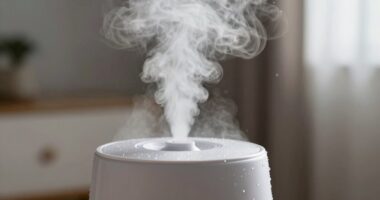
In addition to air filter efficiency, maintaining proper indoor humidity levels makes a big difference. During allergy season, high humidity can encourage mold growth and dust mites, both of which exacerbate allergy symptoms. Conversely, too low humidity can cause dry nasal passages, making you more sensitive to airborne irritants. Ideally, you want to keep indoor humidity around 40-50%. Your HVAC system can help regulate this if it’s properly maintained. Using a humidifier or dehumidifier in conjunction with your HVAC can keep moisture levels in check, reducing the presence of allergens that thrive in specific humidity conditions. When your system is working efficiently, it can better control these moisture levels, creating an environment less hospitable to mold and dust mites. Proper maintenance of your HVAC system is essential for ensuring these functions operate effectively. Regular maintenance also helps prevent contaminant buildup in your ductwork, which can spread allergens throughout your home. Additionally, ensuring your system’s air circulation is optimized can reduce stagnant air pockets where allergens might accumulate. Maintaining air quality is crucial during allergy season, and a well-kept HVAC system plays a key role in that effort.
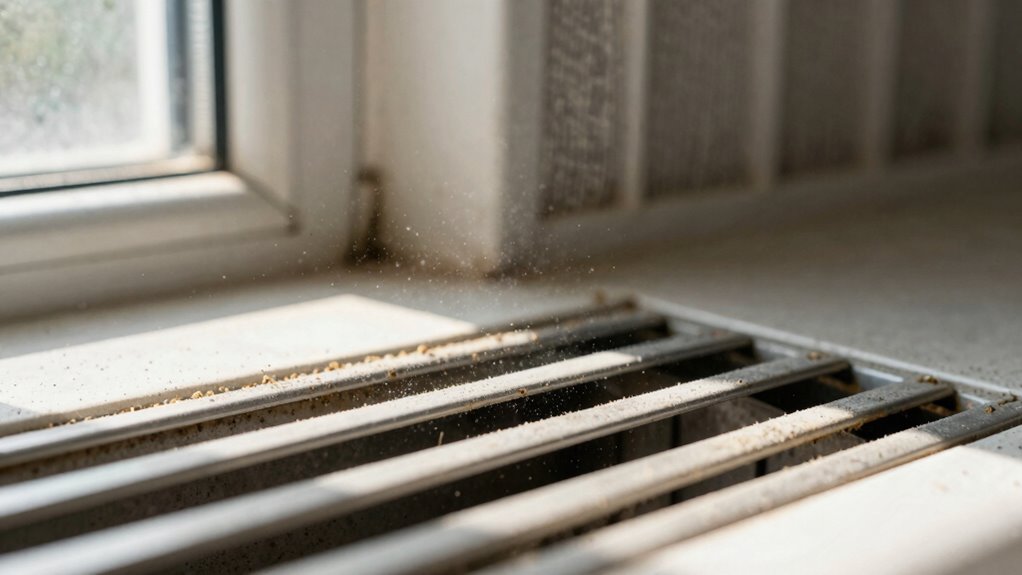
A well-maintained HVAC system can also improve energy efficiency, which not only saves you money but also ensures consistent air quality. Regular maintenance of your HVAC system also guarantees that other components, such as vents and ducts, are clean and free of mold or dust buildup. Dirty ducts can circulate allergens throughout your home, worsening allergy symptoms even if your filters are effective. Scheduling routine inspections and cleanings keeps your system running smoothly and prevents the spread of allergens. Additionally, a well-maintained HVAC system operates more efficiently, which means it can better control indoor air quality and humidity levels, directly impacting how comfortable and allergy-free your home feels.
Ultimately, neglecting HVAC maintenance during allergy season can considerably worsen your symptoms. By prioritizing air filter efficiency and indoor humidity control, you take proactive steps to improve your indoor air quality. Regular checks and timely replacements ensure your system performs at its best, helping you breathe easier and enjoy a more comfortable home environment during this challenging season.
high efficiency HVAC air filters
As an affiliate, we earn on qualifying purchases.
As an affiliate, we earn on qualifying purchases.
Frequently Asked Questions
Can HVAC Filters Completely Eliminate Allergy Triggers?
HVAC filters can’t completely eliminate allergy triggers, but they considerably improve air quality. Regularly changing filters traps dust, pollen, and pet dander, reducing allergens in your home. For even better results, consider adding air purifiers, which can remove tiny particles that filters might miss. While no solution is perfect, consistent HVAC maintenance combined with air purifiers helps you breathe easier during allergy season.
How Often Should I Replace HVAC Filters for Allergy Relief?
Think of your HVAC filter as a sponge soaking up allergens; it needs regular wringing out. To keep allergens filtering effectively, replace your air filter every 30 to 60 days, especially if you have allergies or pets. This way, you maintain ideal air quality and prevent buildup that can worsen allergy symptoms. Regular replacement ensures your system works efficiently and keeps allergens at bay during allergy season.
Do HVAC Systems Remove Pollen From the Indoor Air Effectively?
HVAC systems can effectively reduce pollen indoors, especially when combined with air purifier integration and ventilation improvements. Regularly changing filters traps pollen particles, while upgraded filters like HEPA ones catch even smaller allergens. Improving ventilation ensures fresh air circulation, diluting indoor pollen levels. When you maintain your system properly and add air purifiers, you create a cleaner indoor environment, considerably easing allergy symptoms during peak seasons.
Can HVAC Maintenance Reduce Indoor Mold Growth?
HVAC maintenance can effectively reduce indoor mold growth by improving air quality and ventilation efficiency. Regularly cleaning filters, ducts, and condensate drains prevents mold spores from thriving. Investigating this, you find that proper maintenance disrupts mold’s growth cycle, ensuring better air quality. This proactive approach minimizes mold-related allergies and respiratory issues, creating a healthier indoor environment. Keep up with maintenance to control mold and breathe easier year-round.
Are There Specific HVAC Features Beneficial for Allergy Sufferers?
Yes, certain HVAC features benefit allergy sufferers. Look for units with air purifier compatibility to filter out pollen, dust, and other allergens effectively. Humidity control benefits your indoor environment by reducing mold and dust mites, which thrive in damp conditions. These features work together to create a cleaner, more comfortable space, helping you breathe easier during allergy season. Regular maintenance guarantees these features operate at their best, providing ongoing relief.
Conclusion
Regular HVAC maintenance isn’t just about comfort—it can substantially reduce allergy symptoms. Did you know that poorly maintained systems can circulate allergens, increasing allergy flare-ups by up to 50%? By changing filters and getting annual check-ups, you’re not just improving air quality; you’re also protecting your health during allergy season. So, don’t overlook your HVAC. A little maintenance now can make a big difference in keeping allergy symptoms at bay and breathing easier.
Fall yard work Picks
leaf blowers
As an affiliate, we earn on qualifying purchases.