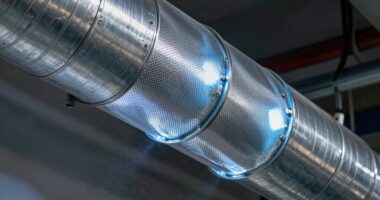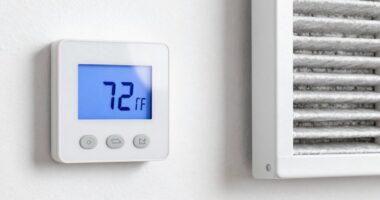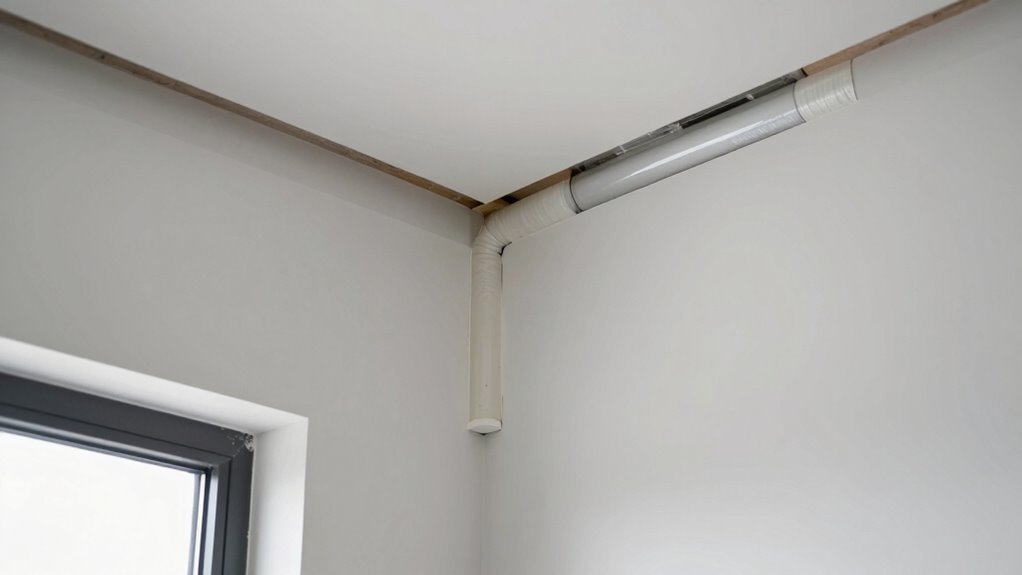
When you improve your home’s air sealing, you make it more airtight, which traps indoor air and reduces natural ventilation. Without proper ventilation systems in place, this can lead to poor indoor air quality, with pollutants and stale air building up. You’ll need controlled ventilation options like HRVs or ERVs to bring in fresh air and remove contaminants. If you want to guarantee your home stays healthy and efficient, understanding how sealing changes ventilation needs is essential.

Get garden gear delivered free — and shop member deals
- Fast, free delivery on millions of items
- Access to Prime Big Deal Days deals on October 6–7
- Prime Video, Amazon Music and more included
Key Takeaways
- Air sealing reduces unintended air leaks, decreasing natural ventilation and requiring controlled mechanical ventilation to maintain indoor air quality.
- Sealing increases indoor pollutant buildup, necessitating enhanced ventilation to remove dust, allergens, and VOCs.
- Tighter homes have less passive air exchange, making proper ventilation systems essential for fresh outdoor air intake.
- Without adjusting ventilation, sealed homes risk indoor air stagnation, odors, and health issues.
- Balanced air sealing and ventilation optimize energy efficiency while ensuring a healthy indoor environment.
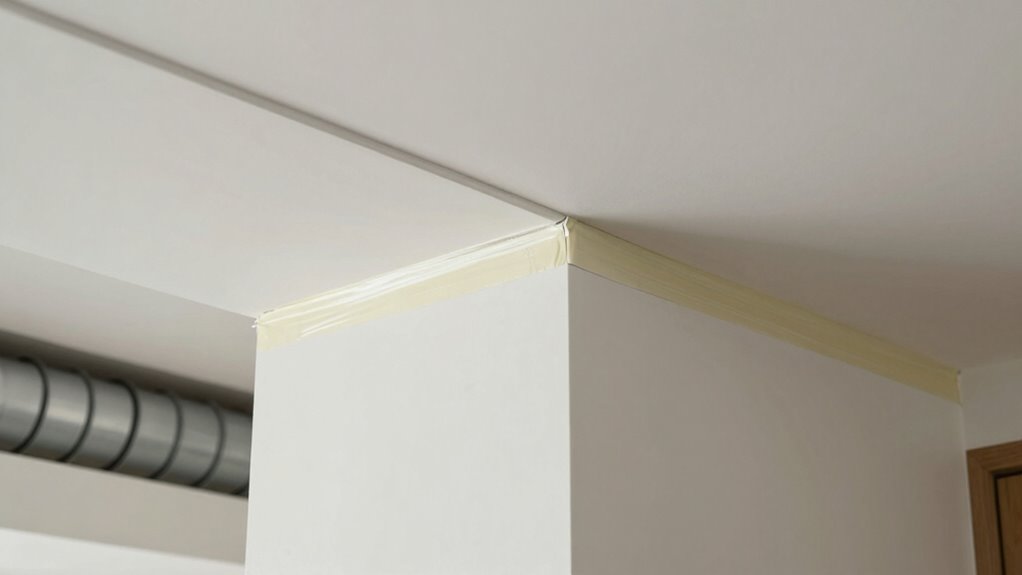
Have you ever wondered how to make your home healthier and more energy-efficient? When you undertake new air sealing projects, you’re not just plugging gaps and reducing drafts—you’re markedly impacting your indoor air quality and how your home uses energy. Air sealing involves carefully sealing leaks in your walls, attic, windows, and doors to prevent unwanted air from entering or escaping. While this improves energy efficiency by reducing the workload on your heating and cooling systems, it also changes how fresh air circulates inside your home.
Before sealing, your home likely had a certain balance of air exchange, often relying on leaks and gaps to bring in fresh air and exhaust stale air. Once sealed, these natural pathways diminish, which can lead to a buildup of indoor pollutants—dust, allergens, or even volatile organic compounds—unless you address ventilation separately. This means your home’s indoor air quality might decline if you don’t incorporate proper ventilation strategies. You may notice stuffiness, heightened allergy symptoms, or lingering odors that weren’t as apparent before. The key is understanding that air sealing doesn’t just make your home more energy-efficient; it also creates a need for enhanced ventilation to maintain a healthy indoor environment.
Sealing your home reduces drafts but requires proper ventilation to maintain indoor air quality.
When you improve your home’s air sealing, you fundamentally trap more air inside, which is great for reducing energy costs, but it can also mean stale, contaminated air stays longer. To counteract this, you’ll want to think about adding controlled ventilation systems, like energy recovery ventilators (ERVs) or heat recovery ventilators (HRVs). These devices bring in fresh outdoor air while exhausting stale indoor air, all without sacrificing the energy savings you’ve gained through sealing. Without such systems, your indoor air quality could suffer, leading to discomfort and potential health issues. Additionally, choosing the right ventilation system can significantly affect your home’s overall indoor air quality and energy performance.
Furthermore, the improved energy efficiency from air sealing means your HVAC system doesn’t need to work as hard to maintain a comfortable temperature. However, if you neglect ventilation you risk creating a space that’s energy-efficient but unhealthy to live in. You might find yourself constantly battling indoor air problems, which defeats the purpose of making your home more energy-conscious. Properly designed ventilation strategies can help you strike this balance and ensure that your home remains both comfortable and healthy. You need to strike a balance: seal your home tightly to save energy, but also ensure adequate, controlled airflow to keep indoor air quality high. Only then can you truly enjoy the benefits of a more energy-efficient and healthier living environment.
Incorporating appropriate ventilation strategies is essential to achieving this balance and maintaining a safe, comfortable home environment.
As an affiliate, we earn on qualifying purchases.
Frequently Asked Questions
How Often Should I Reassess My Home’s Ventilation After Sealing?
You should reassess your home’s ventilation every six to twelve months after sealing. As you improve energy efficiency with sealing materials, changes in air flow can impact indoor air quality. Regular checks guarantee your ventilation system adapts to these modifications, preventing issues like excess humidity or stale air. Keep an eye on comfort levels and air quality, adjusting your ventilation setup as needed to maintain a healthy, efficient home environment.
Can Air Sealing Improve Indoor Air Quality Directly?
Yes, air sealing can directly improve indoor air quality by reducing unwanted indoor moisture and limiting the entry of pollutants. When you seal leaks, you improve air circulation control, preventing excess moisture buildup that fosters mold and mildew. This helps maintain a healthier environment, but it’s still important to guarantee proper ventilation systems are in place to bring in fresh air and remove indoor pollutants effectively.
What Are the Signs of Inadequate Ventilation Post-Sealing?
You’ll notice signs of inadequate ventilation after sealing, like persistent indoor odors, increased moisture or mold growth, and stuffy air. Poor air quality becomes evident when you experience headaches, allergies, or respiratory issues. If you see condensation on windows or walls or notice musty smells, it indicates moisture isn’t venting properly. These signs suggest you may need to improve ventilation to maintain good air quality and moisture control within your space.
Are There Specific Ventilation Systems Recommended After Sealing?
After sealing, you should consider ventilation systems that promote proper air exchange and control indoor humidity. Mechanical ventilation with heat recovery (HRV) or energy recovery (ERV) units are recommended because they efficiently exchange stale indoor air with fresh outdoor air while maintaining energy efficiency. These systems help prevent issues like excess indoor humidity, mold, and poor air quality, ensuring your home remains healthy and comfortable post-sealing.
How Does Climate Influence Ventilation Adjustments After Sealing?
Climate impact profoundly influences how you adapt your ventilation after sealing. In colder climates, you might need to increase ventilation to prevent moisture buildup and mold, while in warmer areas, better airflow helps control humidity. Sealing adaptation requires you to tailor your ventilation system based on climate conditions, ensuring energy efficiency and indoor air quality. Adjustments are essential to maintain a comfortable, healthy environment as your home’s sealing changes.
Conclusion
As you tighten every crack and seal your home, you might think you’ve sealed the deal on energy efficiency. But here’s the catch: your ventilation needs could suddenly change, revealing hidden challenges you hadn’t foreseen. Will your current system be enough, or will you find yourself scrambling for solutions? The truth is, as air sealing transforms your home’s airflow, only by staying alert can you guarantee fresh, healthy indoor air—before it’s too late.
Fall yard work Picks
leaf blowers
As an affiliate, we earn on qualifying purchases.