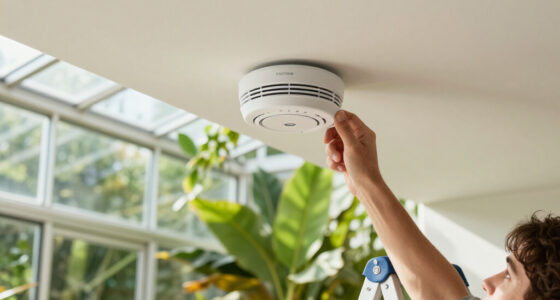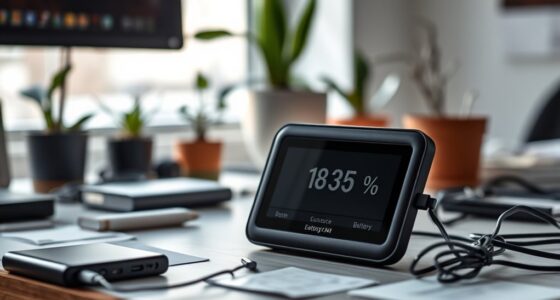

Even when outdoor air quality is good, your indoor air can still be unhealthy because of indoor pollutant sources like dust, pet dander, mold, or household chemicals. Poor ventilation can trap these pollutants inside, making indoor air quality worse than outside. Activities like cooking and cleaning also release contaminants. To maintain a healthier indoor environment, you need effective ventilation and pollutant management. If you want to know ways to improve your indoor air, keep exploring this topic.
Key Takeaways
- Indoor air quality can be poor due to indoor sources like cooking, cleaning, or household chemicals, regardless of outdoor AQI.
- Inadequate ventilation allows indoor pollutants to accumulate, making indoor air unhealthy even when outdoor air is clean.
- Building materials and indoor activities release pollutants that do not depend on outdoor air quality.
- Poor airflow or ventilation systems can trap indoor contaminants, worsening indoor air quality despite good outdoor conditions.
- Humidity and temperature control are critical, as mold and irritants can thrive indoors regardless of outdoor AQI.

Even when the outdoor Air Quality Index (AQI) shows good numbers, it doesn’t always mean your indoor air is safe. You might assume that if the air outside is clean, your home’s air quality is just as good, but that’s not always the case. Indoor air quality can differ dramatically from outdoor conditions because of various factors like indoor pollutant sources, building materials, and ventilation. Just because you’re breathing in fresh outdoor air doesn’t guarantee it’s making its way inside effectively or that it’s free of contaminants once inside.
Many homes and workplaces struggle with poor indoor air quality even when the air outside seems pristine. This gap often happens because of inadequate ventilation strategies. Without proper airflow, pollutants like dust, pet dander, mold spores, volatile organic compounds (VOCs), and household chemicals can accumulate inside, creating unhealthy environments. For example, cooking, cleaning, and even hobbies like painting or woodworking can introduce indoor pollutants that linger if your ventilation isn’t efficient. In these cases, fresh outdoor air might be blocked or limited, causing indoor air to become stale or contaminated despite the outdoor AQI being good.
Poor ventilation can lead to indoor pollution buildup, even with excellent outdoor air quality.
Improving indoor air quality isn’t just about opening windows indiscriminately; it requires thoughtful ventilation strategies. Proper ventilation involves balancing the intake of fresh air with the exhaust of stale indoor air. Mechanical ventilation systems, such as exhaust fans, air purifiers, or whole-house ventilation, can help control and filter indoor pollutants. These systems ensure that fresh air enters while contaminated air exits, reducing indoor pollutant levels regardless of the outdoor AQI. Additionally, using air filters with HEPA filters can trap airborne particles, further enhancing indoor air quality. Effective ventilation methods are essential for optimizing air exchange and keeping indoor environments healthy.
You should also be aware that environmental factors like humidity and temperature influence indoor air quality. Too much humidity can promote mold growth, while low humidity can cause respiratory irritation. Proper ventilation strategies should consider these factors to maintain a comfortable and healthy indoor environment. Regular maintenance of HVAC systems, using exhaust fans in bathrooms and kitchens, and ensuring proper airflow can considerably reduce indoor pollutant levels. Incorporating proper ventilation methods is essential for maintaining a safe indoor environment, especially when outdoor conditions are favorable. Additionally, understanding indoor pollutant sources can help you take targeted steps to improve air quality further. Recognizing that ventilation effectiveness varies depending on the home setup can also help in designing better airflow solutions.

MOOKA Air Purifier for Home Bedroom Large Room 2200 Ft², True HEPA Filter
- Large Coverage Area: Cleans up to 2200 ft² per hour
- Enhanced Pet Hair Capture: Larger air inlets for pet hair and odor
- Smart Air Quality Monitoring: Real-time PM2.5 display and auto mode
As an affiliate, we earn on qualifying purchases.
As an affiliate, we earn on qualifying purchases.
Frequently Asked Questions
How Does Indoor Air Quality Differ From Outdoor AQI?
Indoor air quality differs from outdoor AQI because ventilation systems and pollutant sources inside your space directly impact it. While outdoor AQI measures pollutants in the open, indoor air can be worse if you have poor ventilation or sources like cleaning products, smoke, or mold. You might have a good outdoor AQI, but without proper ventilation, indoor air can still be unhealthy, making it essential to control indoor pollutant sources.
What Are Common Indoor Pollutants Not Measured by Outdoor AQI?
You might not realize that indoor pollutants like VOC emissions from paints, cleaning products, and furniture aren’t tracked by outdoor AQI. Mold growth, fueled by excess humidity, also poses a hidden risk indoors. These pollutants can cause health issues even when outdoor air seems clean. To protect yourself, guarantee proper ventilation, control humidity, and choose low-VOC products to reduce indoor air pollution effectively.
Can Air Purifiers Improve Indoor Air Quality Effectively?
Imagine giving your home’s air a gentle upgrade—air purifiers can indeed improve indoor air quality effectively. Their effectiveness depends on choosing the right unit for your space and maintaining it properly. High-quality air purifiers effectively reduce pollutants, allergens, and odors, creating a healthier environment. While they aren’t a cure-all, they’re a valuable tool for indoor air improvement, especially when combined with good ventilation and regular cleaning.
How Often Should Indoor Air Quality Be Tested?
You should test your indoor air quality at least once every three to six months, especially if you notice excess humidity or poor ventilation. Regular testing helps identify issues with humidity control and ventilation needs, which can lead to mold growth or airborne pollutants. If someone in your home has allergies or respiratory issues, consider testing more frequently to make certain your indoor environment stays healthy and comfortable.
Are Certain Rooms More Prone to Poor Indoor Air Quality?
Like a modern-day Marie Antoinette, you might overlook some rooms’ air quality. Kitchen and bathrooms are more prone to poor indoor air because of ventilation habits and furniture materials that trap moisture and pollutants. Poor ventilation in these spaces causes buildup, leading to stuffiness and odors. Regularly opening windows and choosing low-emission furniture can help improve indoor air quality, making every room healthier and more comfortable.
Conclusion
So, even if the air outside looks pristine enough to eat, don’t be fooled—your indoor air could be a silent, deadly chaos of unseen pollutants. A good AQI outside isn’t a magic shield; it’s just a snapshot of the moment outside, not a guarantee for what’s lurking inside your walls. You could be breathing in a toxic soup while confidently taking a deep breath, blissfully unaware of the invisible threat that’s quietly taking over your indoor sanctuary.