TL;DR

Get garden gear delivered free with Prime
- Fast, free delivery on millions of items
- Prime Video, Amazon Music and more included
- Member-only deals all year
A report from Ideal Home recommends three steps to help UK lawns cope with forecast heavy rain and storms: aerate compacted soil, sow seed in thin areas and clear leaves and debris. The advice is practical lawn-care guidance, not a guarantee against flooding; the timing and local effects of El Niño remain uncertain.
Ideal Home has recommended three steps for UK gardeners preparing lawns for a forecast spell of heavy rain and storms: aerate compacted soil, sow seed in thin or bare areas, and clear fallen leaves and debris. The report says these measures may help water enter the soil and reduce conditions that leave grass vulnerable, but they cannot prevent flooding or guarantee a lawn will survive wet weather.
The first recommendation is to aerate compacted ground. The report cites Chris McIlroy of The Grass People, who says dry summer conditions may leave soil compacted or, in some cases, hydrophobic, meaning water runs off rather than soaking in. Aeration makes small holes in the soil, allowing more air circulation and helping relieve compaction. The article describes hollow-tine tools as one way to remove small cores of soil.
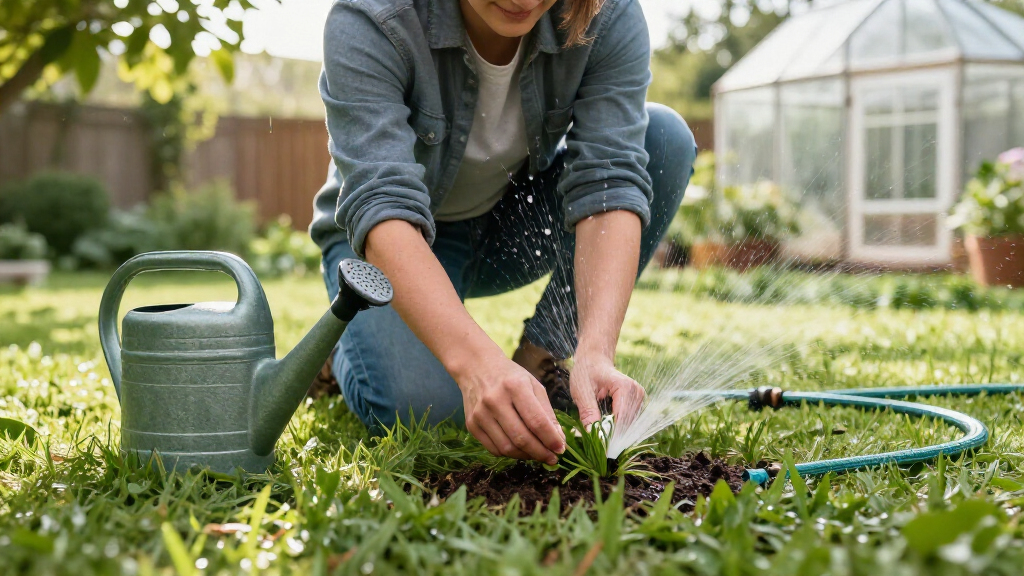
The second step is to overseed thin or bare patches, while conditions still permit new grass to establish. McIlroy says grass absorbs rainwater more effectively than bare soil, and that thicker lawns with established root systems may be better able to cope with wet conditions. The report cautions that the window for sowing seed is running short for the season; it does not give a location-specific deadline or guarantee germination.
The third recommendation is to remove fallen leaves and debris, particularly after heavy rain or strong winds. Cheryl Harper, managing director of Greensleeves Lawn Care, says wet leaves can cover grass, limit sunlight and trap moisture, creating conditions that favour moss and fungal disease. She recommends raking regularly, including every few days when needed. The article presents these actions as preparation, not a substitute for local flood guidance or specialist advice where drainage problems are severe.
How Lawn Care Can Limit Wet-Weather Stress
The recommendations address practical problems that can compound during prolonged wet weather: water running off compacted ground, pooling over bare patches, and damp leaf cover that blocks light. Acting before or between storms may help maintain grass cover and reduce some avoidable stress on a lawn.
The advice is relevant to homeowners because lawn damage can persist after the rain stops, especially where water does not drain away or grass is weakened. However, aeration and overseeding are not flood-control measures. Their results depend on soil, drainage, grass type and timing, and the article does not report measured outcomes showing how much they reduce waterlogging.
Products Worth Considering

Bose TV Speaker Compact Soundbar with Bluetooth and HDMI-ARC, Black

Dyson Cyclone V10 Origin Cordless Vacuum

Levoit Eleva 300X HEPA Air Purifier for Home and Bedroom
As an affiliate, we earn on qualifying purchases.
The Report’s El Niño Forecast Basis
El Niño is a climate pattern associated with warmer-than-usual sea-surface temperatures in the tropical Pacific. The Ideal Home report links the pattern to possible weather effects and says heavy rain and storms are forecast in the UK over the coming months. It also describes a sequence of a hot summer followed by wetter autumn and winter conditions, arguing that dry, compacted lawns could be less able to absorb incoming rain.
The article’s lawn-care recommendations are attributed chiefly to two industry sources: Chris McIlroy of The Grass People and Cheryl Harper of Greensleeves Lawn Care. It does not include a detailed meteorological forecast, named forecasting agency, regional rainfall estimates or supporting data on the expected strength of the climate pattern. The recommendations should be read as garden guidance within that report, rather than as an official weather alert.
“Aerating the lawn relieves some of this compaction.”
— Chris McIlroy, The Grass People
Forecast Details Still Unspecified
The report does not identify a forecast provider or specify which UK regions are expected to receive the heaviest rain, how much rain is forecast, or the confidence level and exact timing. It also does not establish that El Niño itself will cause particular storms or that its effects will be the same across the country. The article’s description of this year’s event as particularly strong is not accompanied in the supplied material by a named source or supporting forecast data.
It is also unclear how well the recommended steps will work for individual lawns. Soil type, slope, existing drainage, grass variety and the time available for seed to establish can all affect results; the report provides no controlled comparisons or outcome measurements.
Check Local Weather Before Lawn Work
Gardeners should follow local weather forecasts and choose a suitable dry spell for lawn work, especially sowing seed, which needs conditions that allow it to establish. The report’s immediate recommendations are to aerate compacted areas, overseed thin patches if seasonal conditions permit, and rake away leaves after storms.
Further clarity on the expected weather would require updated forecasts from meteorological authorities, including regional timing and rainfall amounts. Until those details are available, the article’s steps remain general preparation advice rather than a prediction of the conditions any particular garden will face.
Key Questions
What are the three lawn-preparation steps in the report?
It recommends aerating compacted soil, sowing seed over thin or bare patches, and removing fallen leaves and other debris.
How might aeration help during wet weather?
Aeration creates small holes in compacted soil. Chris McIlroy of The Grass People says this can relieve compaction; the report says some dry soil may also repel water, causing runoff.
Why should wet leaves be cleared?
Greensleeves Lawn Care managing director Cheryl Harper says wet leaves can trap moisture against grass and block sunlight, conditions that may encourage moss and fungal disease.
Will these steps prevent lawn flooding?
No. They are described as ways to support lawn health, not as flood prevention. The report gives no evidence that the steps can prevent flooding, and local drainage and rainfall conditions remain important.
Is heavy rain forecast across all of the UK?
The supplied report refers broadly to heavy rain and storms in the coming months but does not provide regional forecasts, rainfall totals or a named forecasting source. Check current local weather information for specific conditions.
Source: idealhome.co.uk