TL;DR

Get garden gear delivered free with Prime
- Fast, free delivery on millions of items
- Prime Video, Amazon Music and more included
- Member-only deals all year
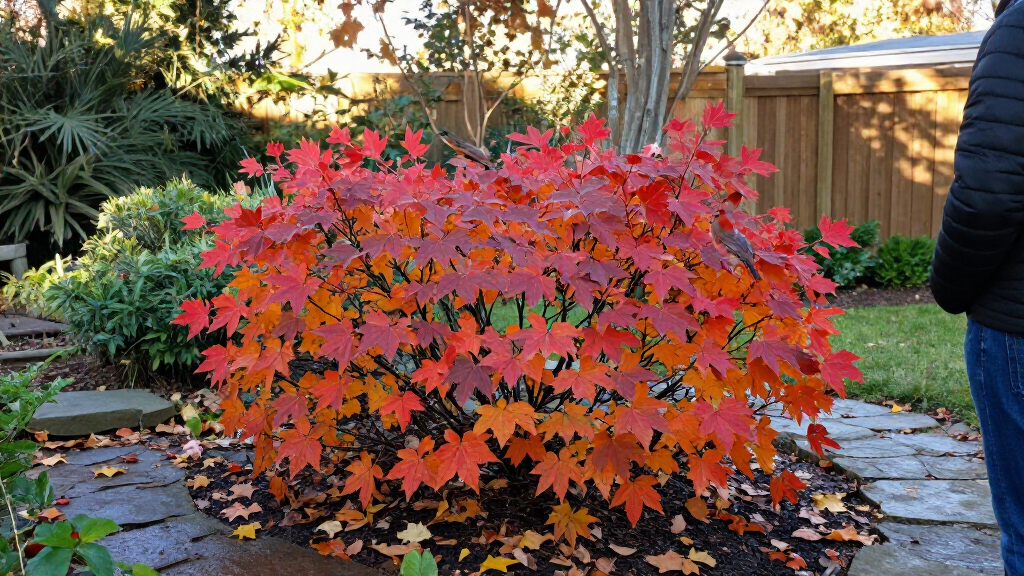
Gardening Know How has highlighted black chokeberry (Aronia melanocarpa) as a native shrub that can provide red-to-burgundy fall foliage as well as flowers and berries. The article says the berries attract birds, including cardinals, and presents the shrub as an alternative to burning bush, which is considered invasive in many states.
Gardening Know How is recommending black chokeberry (Aronia melanocarpa) as a native alternative to burning bush, citing its crimson-to-burgundy fall foliage, white flowers and dark berries that can attract birds including cardinals. The report matters to gardeners weighing a vivid autumn display against concerns that burning bush is considered invasive in many states.
The report describes black chokeberry as a shrub native to eastern North America that typically grows about 3 to 6 feet tall and wide. That scale, the article says, can suit home gardens where a larger shrub or small tree would be impractical. Suggested uses include mixed borders, native shrub plantings and wildlife-friendly landscapes.
Its appeal is not limited to autumn leaves. Gardening Know How says the shrub produces white flowers that draw insects and black berries that attract birds such as cardinals, waxwings, finches and robins. The article frames this combination of foliage, flowers and fruit as an advantage over burning bush, which it describes as mainly grown for its foliage and compact shape.
For growing conditions, the report says black chokeberry can grow in full sun to partial shade, tolerates a range of soil conditions and is generally hardy in USDA zones 3 to 8. It advises checking the requirements of a specific cultivar and its suitability for local conditions. Once established in an appropriate site, the shrub generally needs little intervention, with pruning as needed to manage its shape.
A Native Shrub With More Than Fall Color
The recommendation speaks to a practical choice for gardeners: a shrub selected for autumn color can also offer flowers for insects and fruit for birds. Black chokeberry is presented as a way to add seasonal interest while potentially supporting wildlife in a home landscape, rather than relying on a plant that the source says is invasive in many states.
That does not mean it will be right for every garden or that the report establishes a measured ecological benefit. The article offers general horticultural guidance, not a comparison trial or a guarantee that every planting will attract cardinals. Still, its combination of modest size and several seasonal features gives readers a concrete native option to investigate when planning a border or replacing a shrub.
Products Worth Considering

Bose TV Speaker Compact Soundbar with Bluetooth and HDMI-ARC, Black

Philips Hue Large Smart Light Tube, Black – White and Color Ambiance LED Color-Changing Light – 1 Pack

Philips Hue Secure Wired Video Doorbell, 2K, Black
As an affiliate, we earn on qualifying purchases.
Why Gardeners Look Beyond Burning Bush
Burning bush is popular in part for its strong autumn foliage, a quality the Gardening Know How report acknowledges. The concern it raises is that the shrub can escape cultivation and spread into natural areas in many states, where it may compete with other plants. The report does not list the states or provide specific regulatory guidance, so gardeners should check local rules and recommendations before planting or removing any shrub.
Black chokeberry is offered as a locally native alternative in the article, which identifies its native range as eastern North America. The report also mentions named cultivars, including Viking and Low Scape Mound, but does not compare their size, fruiting or performance. It recommends checking cultivar-specific requirements rather than assuming every selection shares the same traits.
““burning bush is considered invasive in many states””
— Gardening Know How
Local Suitability Still Needs Checking
The supplied report does not give a publication date, identify which states classify burning bush as invasive, or cite a state-by-state authority. It also does not provide research data comparing the two shrubs’ fall color, wildlife use or ecological effects. Its statements about bird attraction and growing conditions are general gardening guidance, not a promise of results for every site.
Gardeners should confirm local invasive-plant guidance, the suitability of a selected chokeberry cultivar, and its mature size for their location. The article says the species is generally hardy in zones 3 to 8, but climate zone alone does not establish how a plant will perform in a particular garden.
Check Cultivars Before Planting
The report does not announce a formal program, product launch or upcoming event. Its practical next step for readers is to check whether black chokeberry suits their garden and to review the needs of the specific cultivar they are considering. Local extension services or native-plant resources can help confirm suitability and local guidance on burning bush.
Before buying or replacing a shrub, gardeners can compare mature dimensions, light and soil conditions, and expected fruiting. Those checks will help determine whether black chokeberry can provide the fall display and wildlife features described in the report at a particular site.
Key Questions
What shrub does the report recommend instead of burning bush?
Gardening Know How recommends black chokeberry (Aronia melanocarpa), a shrub it identifies as native to eastern North America.
Does black chokeberry attract cardinals?
The report says its black berries attract birds, listing cardinals along with waxwings, finches and robins. It does not guarantee that cardinals will visit every planting.
What fall color does black chokeberry have?
The article describes its autumn foliage as crimson red to burgundy.
Where can black chokeberry grow?
The report says it grows in full sun to partial shade, tolerates a range of soils and is generally hardy in USDA zones 3 to 8. It advises checking local conditions and cultivar-specific requirements.
Is burning bush invasive everywhere?
The source says burning bush is considered invasive in many states, not everywhere. It does not name the states, so gardeners should consult local guidance before making decisions about planting or removal.
Source: gardeningknowhow.com