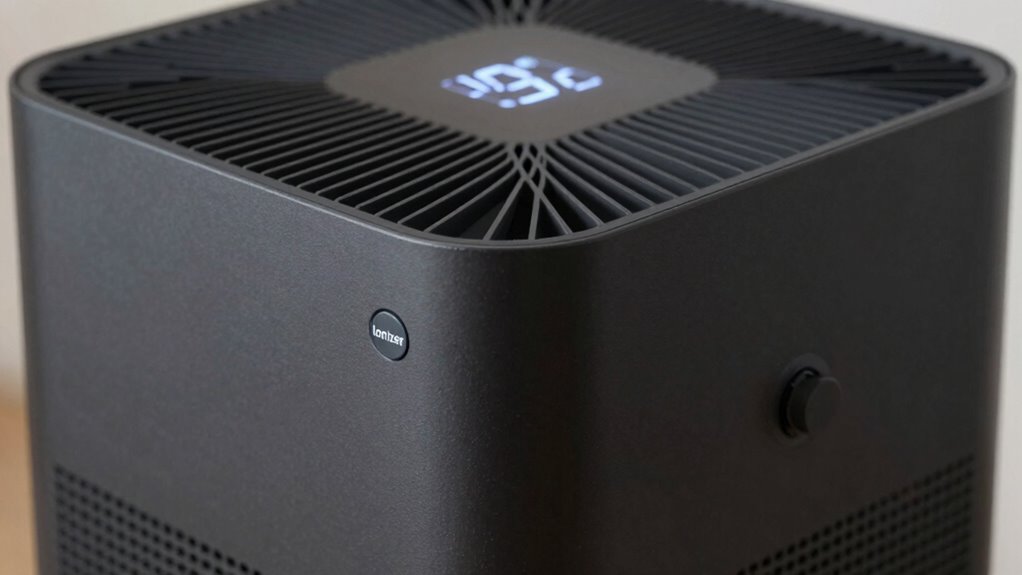
To disable the ionizer safely, first turn off your purifier using the control panel and locate the ionizer or fan settings. Use the designated button or menu option labeled for disabling or turning off the ionizer—avoid unplugging or tampering with internal parts. Always follow the manufacturer’s instructions for your specific model to guarantee safety and maintain the device’s performance. If you’re interested in detailed steps, there’s more to take into account for proper safety measures.
Key Takeaways
- Turn off the purifier using the designated control panel or button to safely disable the ionizer.
- Follow the manufacturer’s instructions to disable the ionizer without tampering with internal components.
- Use safety features like ozone sensors or automatic shut-off functions to ensure safe operation.
- Avoid unplugging the device abruptly; instead, properly deactivate the ionizer through settings.
- Regularly check that safety features are active and functioning after disabling the ionizer.
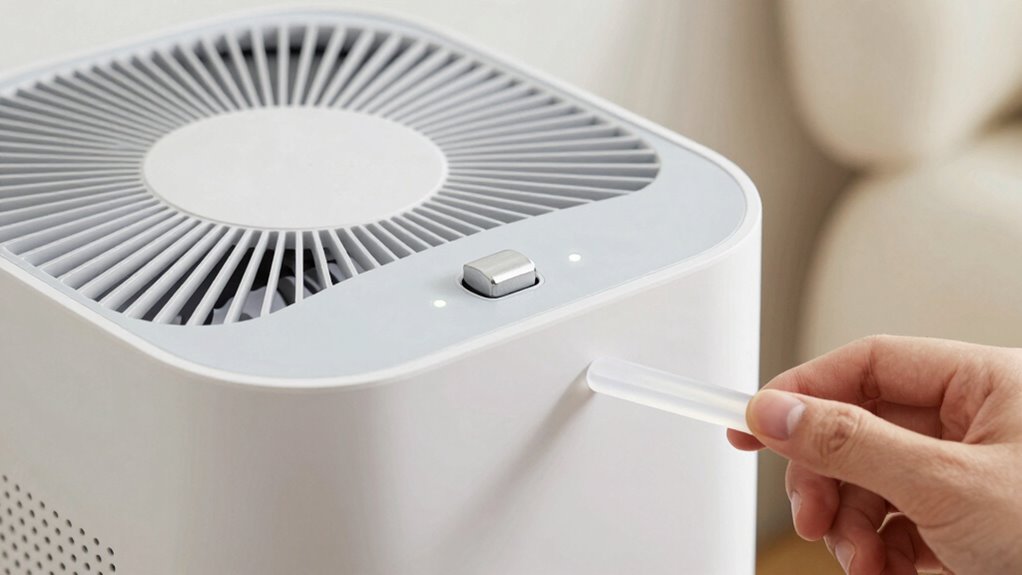
Purifier ionizers are popular devices for improving indoor air quality, but understanding their safety is essential before use. Many people are concerned about air ionizer risks, especially since these devices generate charged particles that can sometimes lead to unintended health effects. While ionizers can effectively reduce airborne pollutants, they also produce ozone, a harmful gas that can irritate your respiratory system. Recognizing these risks is vital to assure safe operation.
Fortunately, most modern air purifiers come equipped with purifier safety features designed to mitigate potential hazards. These features might include ozone sensors, automatic shut-off mechanisms, or low-emission settings that prevent the device from producing excessive ozone. Before powering up your purifier, it’s important to review the user manual and familiarize yourself with these safety features. Doing so helps you understand how to operate the device safely and avoid unnecessary exposure to ozone or other byproducts.
If your purifier has an ionizer and you’re concerned about air ionizer risks, the safest approach is to disable the ionizer function when it’s not needed. Many units have a dedicated button or setting that allows you to turn off the ionizer without turning off the entire device. This way, you can benefit from the filtration capabilities of the purifier while minimizing potential risks associated with charged particles and ozone production. Keep in mind that some models may automatically disable the ionizer when certain safety thresholds are exceeded, thanks to built-in sensors.
When disabling the ionizer, assure that you do it correctly by following the manufacturer’s instructions. Simply pressing the designated button or navigating through the device’s control panel usually suffices. Avoid unplugging the device abruptly or tampering with internal components, as this could compromise safety features or void the warranty. If you’re unsure about the proper procedure, consult the user manual or contact customer support. Properly disabling the ionizer guarantees you’re not exposed to unnecessary air ionizer risks, especially in enclosed spaces or for individuals with respiratory sensitivities.
Additionally, understanding filtration systems can help you choose the most suitable device for your needs, ensuring safer and more effective air cleaning. Lastly, always monitor your purifier when in use. Even if the ionizer is turned off, other safety features may help prevent overexposure to pollutants or ozone. Regular maintenance, such as cleaning filters, also plays a crucial role in assuring the device functions safely and efficiently. Staying informed about the specific safety features of your purifier and knowing how to disable the ionizer safely allows you to enjoy cleaner air without compromising your health or safety.
Frequently Asked Questions
Can Disabling the Ionizer Affect Air Purifier Performance?
Disabling the ionizer can slightly reduce your air purifier’s efficiency, especially in removing airborne particles. However, it doesn’t harm the device if done correctly, and it guarantees ionizer safety by preventing potential ozone emissions. You might notice a decrease in air freshness, but overall performance remains effective. Always follow manufacturer instructions when disabling the ionizer to maintain ideal air quality without compromising the device’s longevity.
Are There Health Risks if I Leave the Ionizer On?
Leaving the ionizer on is like playing with fire; it can pose health risks, especially for those with allergies or respiratory issues. Ionizer safety is vital because it releases charged particles that may irritate your lungs or worsen asthma. While some studies suggest minimal risk, it’s best to disable the ionizer if you’re concerned about health implications. Always follow your purifier’s guidelines to keep your air clean and safe.
How Often Should I Disable the Ionizer for Maintenance?
You should disable the ionizer for maintenance every few months, depending on usage and air quality. Regular ionizer maintenance helps keep it functioning efficiently and reduces potential health risks. Check your purifier’s manual for specific disabling frequency recommendations. When disabling, turn off the unit, unplug it, and clean or replace filters as needed. Doing this routinely guarantees your purifier operates safely and effectively, minimizing any health concerns.
Will Turning off the Ionizer Improve Air Quality?
Imagine your room’s air as a clear stream, and turning off the ionizer is like stopping the ripples that can stir up pollutants. Disabling the ionizer may improve air quality if it produces ozone or unwanted ions, which can irritate your lungs. By turning off the ionizer effects, you reduce potential air contaminants, creating a healthier environment. If you’re sensitive, this simple step helps maintain cleaner, fresher air for you to breathe.
Is It Safe to Disable the Ionizer Temporarily?
Yes, it’s safe to disable the ionizer temporarily, but you should always consider ionizer safety and your device’s compatibility. Turn off the purifier using the main power button or switch, avoiding any forceful removal of parts. Check your user manual to confirm the device allows safe disconnection. Disabling the ionizer temporarily won’t harm your purifier, but always follow manufacturer instructions for safe handling and peak performance.
Conclusion
To safely disable your purifier’s ionizer, follow straightforward steps carefully. Don’t delay or doubt—deliberately disconnect the device, ensuring safety and serenity. Remember, your well-being wins when you work wisely and wary. With a little caution and commitment, you’ll conquer concerns and create a cleaner, calmer space. Protect your peace by properly turning off the ionizer, and enjoy fresh, worry-free air whenever you breathe. Stay safe, stay smart—your health depends on it!