
If moisture builds up in your laundry room, it creates a pattern of damp spots, lingering vapor, and high humidity levels. You might notice musty smells and mold growth if you don’t manage it early. Poor ventilation traps this moisture, especially in enclosed spaces, leading to persistent dampness. Regularly using exhaust fans, controlling humidity, and ensuring proper airflow can break this pattern. Keep going to discover ways to keep your laundry area dry and fresh.
Open a free Amazon Business account
Business pricing, bulk buying and tax-exempt orders.
As an affiliate, we earn on qualifying purchases.
Key Takeaways
- Persistent moisture buildup and damp spots promote mold growth, leading to musty odors in laundry rooms.
- Poor ventilation traps humid air, preventing proper drying and increasing moisture levels.
- Lack of airflow causes stagnant, damp conditions that favor mold and mildew development.
- High indoor humidity above 50% fosters persistent dampness and mustiness.
- Infrequent or ineffective moisture removal allows water vapor to condense on surfaces, causing musty smells.

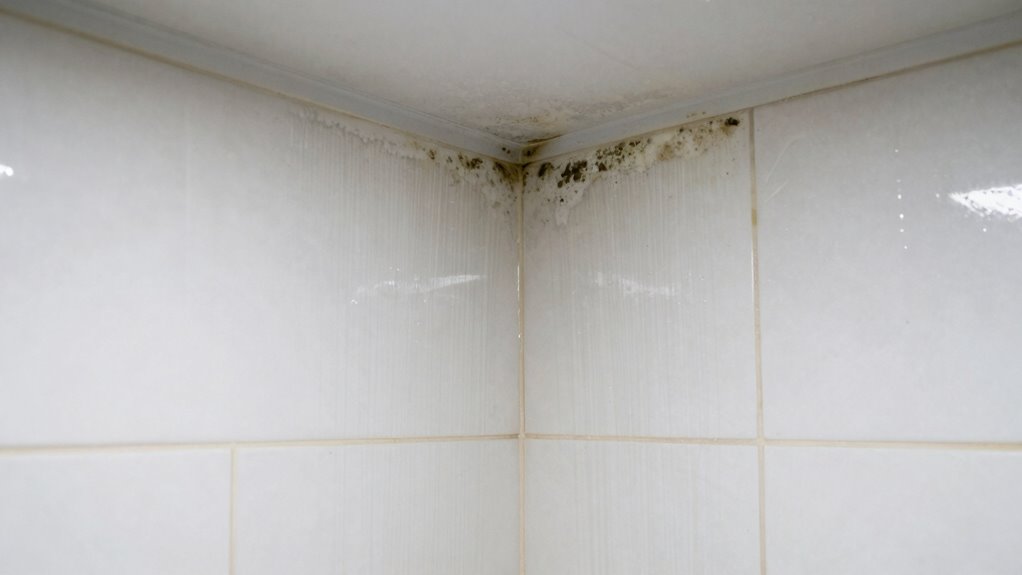
Have you ever noticed moisture buildup or damp spots in your laundry room? If so, you’re not alone. These signs often point to a moisture pattern that can lead to mustiness if left unchecked. Understanding the role of ventilation strategies and humidity control is key to stopping mold and mildew from taking hold. Your laundry room tends to be a small, enclosed space, which makes it especially prone to trapping excess moisture. When you do laundry, water vapor is released into the air, and without proper airflow, that vapor lingers. Over time, this increases humidity levels, creating an environment where mold spores can thrive.
Moisture buildup in laundry rooms can lead to mold; proper ventilation and humidity control are essential.
To combat this, you need effective ventilation strategies. Installing an exhaust fan or ensuring your existing one works properly can make a big difference. When you turn on the exhaust fan during and after laundry loads, it pulls moist air out of the room, reducing the overall humidity. If your laundry space doesn’t have a dedicated vent, consider adding a portable fan or opening windows when weather permits. These simple steps promote air circulation, preventing moisture from settling on walls, ceilings, or behind appliances. Proper ventilation doesn’t just remove damp air; it also helps dry out any residual moisture that might otherwise linger and cause damage. Additionally, ventilation effectiveness plays a crucial role in maintaining a dry environment. Regularly inspecting and maintaining your ventilation system ensures it continues to operate efficiently and effectively. Ensuring proper airflow is also essential, as stagnant air can exacerbate moisture issues. Improving air exchange can further enhance moisture control in enclosed spaces. Maintaining good air quality is fundamental to preventing dampness and mold growth.
Humidity control is equally essential. You should aim to keep indoor humidity levels between 30% and 50%. Using a hygrometer can help you monitor this easily. When humidity drifts above that range, it creates the perfect conditions for mold growth. To keep levels in check, you might consider using a dehumidifier, especially if your laundry room tends to be damp even when not in use. Additionally, drying clothes outside or in a well-ventilated area reduces moisture load inside the room. When you keep humidity under control, you minimize the chances of damp spots forming and eliminate the musty smell that often accompanies high moisture levels. Proper moisture management can significantly extend the lifespan of your appliances and prevent costly repairs.
As an affiliate, we earn on qualifying purchases.
Frequently Asked Questions
How Can I Detect Hidden Mold Caused by Moisture?
To detect hidden mold caused by moisture, look for signs like a musty smell or discoloration on walls and ceilings. Use a moisture meter to identify areas with high moisture levels, especially in hidden spots behind appliances or under flooring. You can also perform a visual inspection and consider professional mold testing if you suspect hidden mold. Prompt detection helps prevent health issues and extensive property damage.
What Are Effective Ways to Dry Laundry Quickly?
Drying laundry quickly is essential, and you’re about to master laundry hacks that can save you hours. Use high spin speeds, wring out excess water, and utilize fans or a dryer for rapid results. Effective drying techniques include hanging clothes in a well-ventilated area or placing them near a heat source. These methods will drastically cut drying time, making laundry day feel like a breeze instead of a marathon.
Can Indoor Plants Increase Laundry Room Humidity?
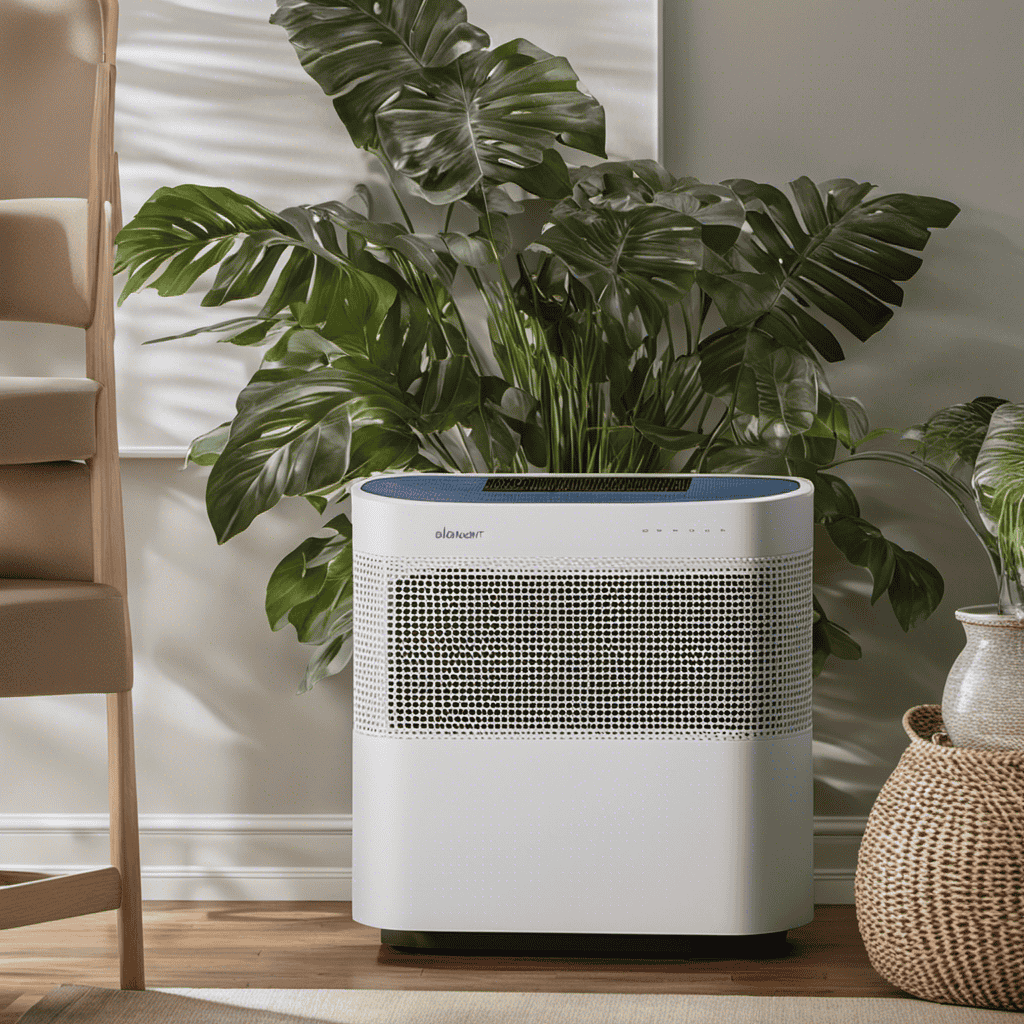
Indoor plants can increase laundry room humidity through natural evaporation, which benefits humidity regulation. Their lush foliage releases moisture into the air, creating a more comfortable environment. Plus, indoor plant benefits include improving air quality and adding aesthetic appeal. However, be mindful not to overwater them, as excess moisture can contribute to mustiness. Properly balancing humidity levels with plants can help prevent laundry room mustiness while enhancing your space.
How Often Should I Inspect for Moisture Buildup?
You should inspect your laundry room weekly to stay ahead of moisture issues. Ironically, the very act of checking can reveal hidden dampness that leads to mustiness. Focus on ventilation improvements and consider dehumidifier options to keep humidity levels in check. Regular inspections help you identify early signs of moisture buildup, preventing mold and unpleasant odors. Don’t wait until mustiness takes over—stay proactive and keep your laundry space fresh.
Are There Specific Cleaning Products to Prevent Mustiness?
To prevent mustiness, you should use eco-friendly detergents that don’t leave residues, which can trap moisture. Additionally, applying mold-resistant sprays regularly helps inhibit mold growth. Make sure to clean surfaces thoroughly and keep the laundry room well-ventilated. These steps, combined with routine inspections, reduce moisture buildup. By choosing gentle, mold-resistant products, you create an environment less prone to mustiness and mold development.
Conclusion
By understanding the moisture patterns in your laundry room, you can prevent mustiness before it starts. Think of your laundry space like a sponge—if it stays wet and damp, mold and odors will quickly take hold. Keep an eye on humidity levels, guarantee proper ventilation, and fix leaks promptly. Taking these simple steps is like giving your laundry room a fresh gust of air, helping it stay dry, fresh, and inviting every time you walk in.
Flea & tick season Picks
flea and tick prevention
As an affiliate, we earn on qualifying purchases.