
TL;DR

Get garden gear delivered free — and shop member deals
- Fast, free delivery on millions of items
- Access to Prime Big Deal Days deals on October 6–7
- Prime Video, Amazon Music and more included
The American Floral Endowment has scheduled an Oct. 20, 2026, Grow Pro webinar on using bioreactors to reduce agrochemicals in production water. Michigan State University professor Tom Fernandez is the featured speaker; the event will cover woodchip systems, microbial breakdown and regulatory compliance.
The American Floral Endowment has scheduled a Grow Pro webinar for Oct. 20, 2026, on how bioreactors can reduce agrochemicals in agricultural production water. The session will feature Dr. Tom Fernandez of Michigan State University and address water treatment methods relevant to growers managing water quality and supply.
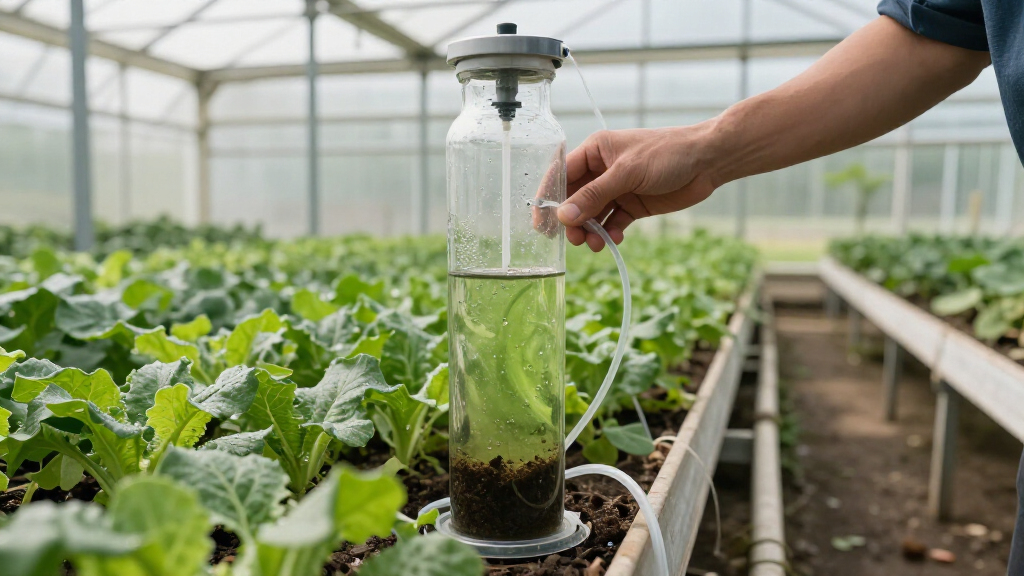
The webinar, titled “Bioreactors for Reduction of Agrochemicals in Agricultural Production Water,” is part of AFE’s ongoing Grow Pro series. According to the event description, it will cover how microbial communities break down contaminants and how woodchip-based bioreactors work. The program is also set to address regulatory compliance, ways to protect an operation, and approaches intended to improve system effectiveness and startup time.
Fernandez is a professor at Michigan State University, where he teaches Landscape Plant Identification and Nursery Management. AFE describes his research and Extension program as focusing on water quality and management for nursery production. The source also notes his interest in using RFID to support precision agriculture in container production; it does not identify that as a topic for this webinar.
AFE says participants can register through Zoom or through the Grow Pro webinar page on its website. The announcement does not state a registration deadline, fee, or expected session length. It says recordings of past Grow Pro webinars are available through AFE’s YouTube channel.
Water Treatment for Growers
Production water quality can affect growers’ ability to maintain crops and manage operating costs. AFE is presenting bioreactors as a practical, cost-effective tool for reducing agrochemicals in that water, but the announcement describes the subject of a learning session; it does not report measured results from a particular installation.
The planned focus on microbial contaminant breakdown, system startup and regulatory compliance makes the webinar relevant to growers weighing water treatment options. Its value to an individual operation will depend on factors the announcement does not specify, including the contaminants present, site conditions, system design and applicable rules. The session may help attendees understand those considerations, but no performance guarantee is stated.
AFE’s Grow Pro Program
The event is one installment in AFE’s Grow Pro webinar series, which the organization describes as ongoing. The source says the series page includes information about future webinars and that recordings of earlier sessions can be viewed on AFE’s YouTube channel.
The announcement frames the webinar against growers’ concerns about water security and keeping accessible water clean and safe. It provides a scheduled date and a topic outline, but no further timeline or details about prior bioreactor demonstrations tied to this event.
“Bioreactors for Reduction of Agrochemicals in Agricultural Production Water”
— American Floral Endowment event description
Details Awaiting Confirmation
The source announces the session but does not provide its start time, duration, cost or registration deadline. It also does not say whether attendees will receive continuing education credit or whether the webinar will be recorded for later viewing.
No specific contaminant removal rates, project case studies or operating costs are included in the announcement. Although AFE says the session will discuss regulatory compliance and system effectiveness, the applicable regulations and the expected performance of any system remain unspecified.
Registration and Webinar Date
Interested growers can check AFE’s Grow Pro page or register through Zoom for the event scheduled on Tuesday, Oct. 20, 2026. Those sources are the stated routes for registration and for information about other sessions in the series.
The next confirmed milestone in the announcement is the webinar itself. AFE’s description says past sessions are available on its YouTube channel, but it does not confirm whether this session will be posted afterward. Attendees seeking details such as the start time or recording availability will need to consult the event listing as it is updated.
Key Questions
When is the bioreactor webinar?
AFE has scheduled it for Tuesday, Oct. 20, 2026. The announcement does not list a start time or duration.Who is speaking?
The featured speaker is Dr. Tom Fernandez, a Michigan State University professor whose research and Extension program focuses on water quality and management for nursery production.What will the session cover?
Topics listed include microbial contaminant breakdown, woodchip-based bioreactors, regulatory compliance, protecting an operation, and strategies to improve system effectiveness and startup time.How can people register?
AFE says participants can register through Zoom or through the Grow Pro webinar page on its website.Does the announcement give removal rates or costs?
No. It describes the session topics and calls bioreactors a practical, cost-effective tool, but provides no specific removal data, project costs or performance results.Source: rss
Fall Picks
fall essentials
As an affiliate, we earn on qualifying purchases.