

The Living Building Challenge’s Health and Happiness Petal guides you to design spaces that actively boost well-being through sustainable, biophilic design and community features. It emphasizes choosing non-toxic materials, maximizing natural light, and promoting natural airflow. Incorporate green elements like plants and water features to improve mood and air quality. Focus on creating inviting, calming environments that support social interaction and physical activity. Continue exploring to discover how these principles can transform your space into a health-promoting environment.
Listen free for 30 days with Audible
Thousands of audiobooks and originals — cancel anytime.
As an affiliate, we earn on qualifying purchases.
Key Takeaways
- Prioritize occupant well-being through design strategies that promote comfort, calmness, and positive experiences.
- Use non-toxic, low-VOC, sustainably sourced materials to ensure indoor environmental quality.
- Incorporate natural light, ventilation, plants, and water features to enhance air quality and mood.
- Foster social cohesion by creating communal spaces and inviting gathering areas for community interaction.
- Integrate biophilic design principles and movement-friendly layouts to support physical and mental health.
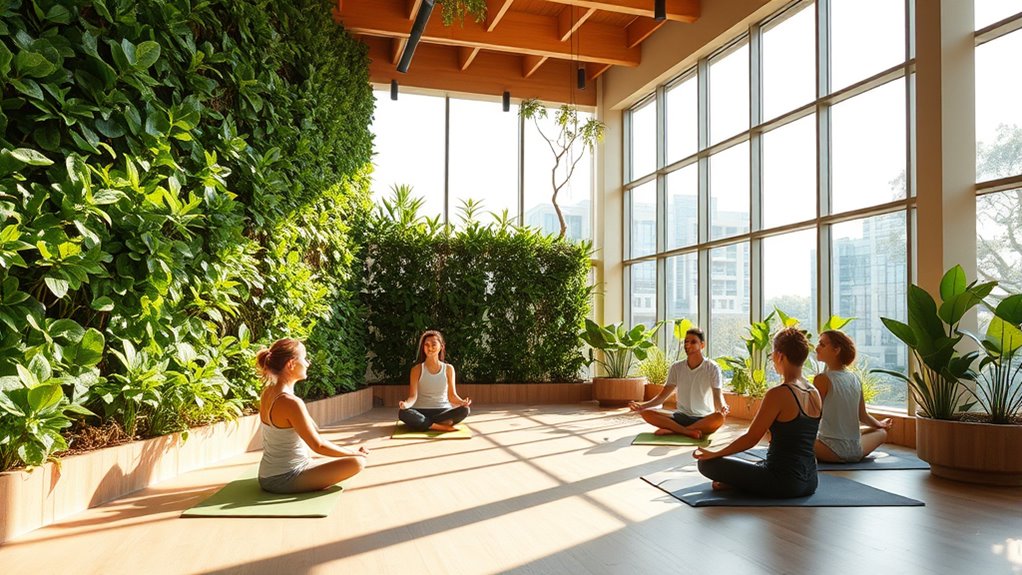
Have you ever wondered if buildings could be truly sustainable? The Living Building Challenge pushes that idea further, demanding structures that not only minimize environmental impact but also promote health and happiness. One key aspect of this challenge is the Health and Happiness Petal, which emphasizes the importance of creating spaces that nurture well-being. Achieving this requires a focus on sustainable design, where every element considers its impact on human health and comfort. You need to think beyond just energy efficiency; it’s about designing buildings that foster positive experiences and support mental and physical wellness.
Design buildings that prioritize health and happiness through sustainable, human-centric strategies for well-being and comfort.
To meet the Health and Happiness Petal, you’re encouraged to integrate wellness strategies into the building’s core. These strategies involve selecting materials that are non-toxic and free of harmful chemicals, ensuring good indoor air quality, and optimizing natural light and ventilation. You must prioritize occupant comfort, which means designing spaces that feel inviting, calming, and conducive to productivity. Incorporating views of nature, using biophilic design principles, can considerably boost happiness levels. Natural elements like plants, water features, and daylight not only improve air quality but also foster a connection to the outdoors, which is essential for mental well-being. Additionally, understanding the role of indoor environmental quality is crucial in creating spaces that support health and happiness.
Sustainable design plays a central role here because it aligns environmental responsibility with human health. For example, choosing sustainably sourced, low-VOC (volatile organic compound) materials reduces indoor pollutants that can cause health issues. Ventilation systems should be carefully planned to guarantee fresh air circulation without wasting energy. Additionally, the design process involves creating spaces that support physical activity—like incorporating stairs instead of elevators or designing layouts that encourage movement. These features help promote a healthier lifestyle for occupants, reinforcing the connection between a building’s design and personal well-being.
Another important aspect is community engagement and social well-being. The challenge encourages buildings that foster community interaction and social cohesion, which are essential components of happiness. Open communal spaces, shared gardens, and inviting gathering areas can help cultivate a sense of belonging. When your building incorporates these elements, you’re not just creating a physical space—you’re nurturing a healthy, vibrant community.
Ultimately, the Living Building Challenge’s Health and Happiness Petal asks you to view buildings not only as shelters but as environments that actively support your physical and emotional health. This involves thoughtful integration of wellness strategies into sustainable design, ensuring that the spaces you create are both environmentally responsible and enriching for everyone who uses them. It’s about designing buildings that uplift the body and mind, making health and happiness a fundamental part of their purpose.
non-toxic indoor plants for air quality
As an affiliate, we earn on qualifying purchases.
As an affiliate, we earn on qualifying purchases.
Frequently Asked Questions
How Do Petal Requirements Influence Building Design Beyond Health and Happiness?
Petal requirements influence your building design by encouraging you to prioritize interior aesthetics and lighting strategies that foster well-being. You’ll choose natural light, improve air quality, and incorporate biophilic elements, making spaces more inviting. These focus areas not only boost health and happiness but also enhance energy efficiency and user engagement. Ultimately, your design becomes more sustainable and appealing, positively impacting occupants’ comfort and productivity.
Are There Specific Materials Prioritized for Health and Happiness Petal Compliance?
You prioritize natural materials like wood and stone to meet health and happiness petal requirements, reducing toxic chemicals and promoting well-being. You incorporate biophilic design elements, such as natural light, plants, and views of nature, to create a calming environment. These choices support occupant health, enhance happiness, and align with sustainable goals, making your building more inviting, restorative, and eco-friendly.
How Is Occupant Feedback Integrated Into the Petal Assessment Process?
You incorporate occupant feedback into the petal assessment process by conducting regular occupant surveys to gather insights on comfort and wellbeing. These surveys create feedback loops, allowing you to identify issues and track improvements over time. You actively use this data to refine building design, materials, and systems, guaranteeing the space promotes health and happiness. This ongoing engagement ensures the building continually meets occupant needs and aligns with the Living Building Challenge standards.
What Are the Common Challenges in Meeting Health and Happiness Petal Standards?
You might face challenges ensuring good indoor air quality and ample natural lighting, which are vital for meeting health and happiness standards. It can be tough to balance energy efficiency with fresh air exchange and to design spaces that maximize natural light without causing glare or heat gain. Additionally, finding cost-effective solutions and maintaining occupant comfort can complicate meeting these standards, but prioritizing indoor air and lighting greatly boosts occupant well-being.
How Do Petal Requirements Vary Across Different Climate Zones?
Like a chameleon adapting to its surroundings, you notice that petal requirements shift with climate zones. In warmer regions, you focus on cooling strategies and natural ventilation, aligning with regional standards. In colder climates, you emphasize insulation and thermal comfort. Climate adaptation shapes your approach, ensuring the standards for health and happiness remain relevant and effective, no matter where you build. Your design becomes a reflection of nature’s harmony and regional resilience.
Conclusion
So, you’ve mastered the petal requirements for health and happiness—what’s next? Maybe you’ll build a paradise where pets frolic in toxin-free gardens, and everyone’s grinning from ear to ear. Or perhaps you’ll realize that chasing perfection might be like herding cats—impossible, yet endlessly entertaining. Either way, remember, the Living Building Challenge isn’t just a checklist; it’s a wild, noble quest to make the world better—one petal at a time. Good luck!
NFL season / tailgating Picks
team gear
As an affiliate, we earn on qualifying purchases.