

You’ll know maintenance is solving the wrong problem if issues keep reappearing after repairs, or failures happen soon after fixing them. When your efforts focus only on surface problems without addressing root causes like design flaws or systemic weaknesses, you’re stuck in a cycle of temporary fixes. Reliance on reactive, data-limited actions also signals inadequate strategy. To break this pattern, focus on identifying the true causes, which can lead to more lasting solutions—discover how to do this effectively.

Get garden gear delivered free with Prime
- Fast, free delivery on millions of items
- Prime Video, Amazon Music and more included
- Member-only deals all year
Key Takeaways
- Recurring failures occur after repairs, indicating underlying issues remain unaddressed.
- Maintenance focuses on quick fixes rather than identifying systemic or root causes.
- Similar problems keep reappearing despite ongoing repairs.
- Data shows repairs are not improving overall system reliability or performance.
- Lack of preventative measures suggests issues are symptom-focused rather than root cause-driven.
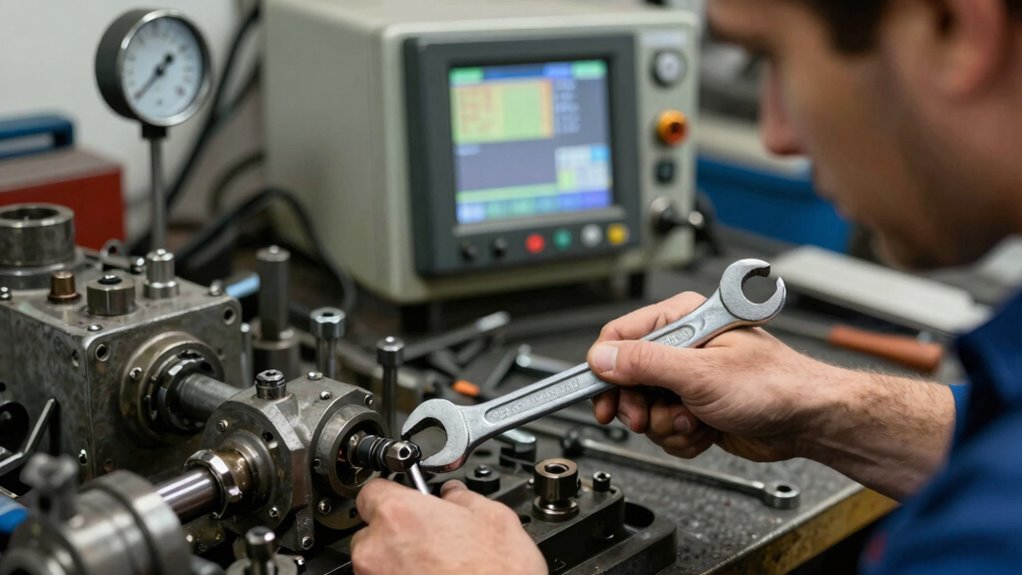
Have you ever wondered if your maintenance efforts are actually addressing the root cause of a problem or just treating the symptoms? It’s a common dilemma in many maintenance routines. Sometimes, it’s tempting to fix what’s visibly broken or temporarily solve issues to keep operations running. But if you don’t dig deeper, you risk repeatedly encountering the same problems, wasting time, money, and resources. That’s where root cause analysis comes into play. It helps you identify the core issue behind recurring failures instead of merely addressing surface-level symptoms. When you focus on the root cause, your maintenance becomes more effective, and you prevent future breakdowns rather than just reacting to them.
One clear sign you might be solving the wrong problem is when failures keep happening in the same area or component, even after repairs. It indicates that your team might be addressing the immediate failure without understanding why it occurred in the first place. If you notice that repairs aren’t lasting or that the same equipment keeps breaking down shortly after maintenance, it’s time to step back and evaluate whether you’re doing proper root cause analysis. By uncovering the fundamental cause—be it a design flaw, improper operation, or inadequate lubrication—you can implement targeted preventive measures that reduce the likelihood of future failures. These preventive measures not only fix the current issue but also strengthen your system against similar problems down the line. Recognizing systemic issues and their underlying causes is essential for sustainable maintenance. Incorporating systemic analysis can help you see the bigger picture and prioritize the most impactful fixes.
Another sign is if your maintenance efforts are reactive rather than proactive. Constant firefighting suggests you’re just patching issues temporarily. Instead, you should aim to develop a maintenance strategy based on data and analysis. When you analyze failure patterns and identify systemic weaknesses, you can implement preventive measures that address the real problems. This approach shifts your focus from fixing broken parts to improving overall system reliability, saving you from endless cycles of repairs. If your maintenance plan doesn’t involve these strategic steps, you’re likely solving the wrong problems or missing the chance to prevent them altogether. Utilizing digital tools for data collection and analysis can streamline this process, making it easier to identify and address core issues. In addition, adopting predictive maintenance techniques can help anticipate failures before they happen, further enhancing your preventive efforts. Addressing systemic weaknesses proactively can make a significant difference. Additionally, utilizing digital tools for data collection and analysis can streamline this process, making it easier to identify and address core issues. In the end, effective maintenance isn’t just about fixing what’s broken; it’s about understanding why it broke and stopping it from happening again. When you adopt this mindset, you’ll see a significant reduction in recurring problems and a more reliable operation overall.
root cause analysis tools for maintenance
As an affiliate, we earn on qualifying purchases.
As an affiliate, we earn on qualifying purchases.
Frequently Asked Questions
How Can I Identify if Maintenance Is Addressing Root Causes?
You can tell if maintenance is addressing root causes by examining whether preventive checks and equipment calibration are consistently performed and effective. If breakdowns persist despite these measures, it suggests the problem isn’t being solved at its root. Look for recurring issues that aren’t resolved through surface fixes. Regularly review maintenance data to see if the core problem remains unaddressed, indicating the need for a deeper investigation.
What Are Signs That Maintenance Efforts Are Ineffective?
You’ll notice maintenance efforts are ineffective if equipment keeps breaking down despite preventive measures. If reactive maintenance dominates, issues arise only after failures occur, leading to prolonged downtime and higher costs. When you see recurring problems, it’s a sign that your focus might be on fixing symptoms rather than addressing root causes. An imbalance favoring reactive maintenance over preventive strategies indicates your maintenance is not solving the underlying issues, wasting resources and reducing reliability.
How Do I Differentiate Between Symptoms and Underlying Issues?
You can’t rely on surface-level symptoms alone, or you’ll end up chasing shadows. When you misdiagnose symptoms, you treat superficial fixes that never resolve the root causes. To differentiate, ask yourself if the fix addresses only the immediate issue or the underlying problem. If repairs don’t prevent recurrence, you’re likely focusing on symptoms misdiagnosis, and it’s time to dig deeper into the core issues rather than just surface-level fixes.
What Role Does Data Analysis Play in Diagnosing Problems?
Data analysis plays a vital role in diagnosing problems by providing insights through predictive analytics and data visualization. You can identify patterns, trends, and anomalies that point to root causes rather than just symptoms. Predictive analytics forecasts potential failures, while data visualization makes complex data easier to interpret. This combination helps you focus your maintenance efforts effectively, ensuring you’re addressing the real issues instead of just surface symptoms.
How Often Should Maintenance Strategies Be Reviewed for Accuracy?
You should review your maintenance strategies at least annually, like checking the compass on a ship steering through unpredictable waters. Regular reviews ensure your predictive maintenance efforts stay aligned with equipment reliability needs. As technology advances, so should your approach. Keep an eye on performance data, adapt strategies accordingly, and guarantee your maintenance plan isn’t just a set-it-and-forget-it task but a dynamic tool guiding your equipment’s health and longevity.
Conclusion
So, next time you’re fixing what seems obvious, pause and ask yourself—are you really addressing the root issue or just a symptom? Sometimes, the real problem hides beneath the surface, waiting to cause bigger trouble. If you don’t dig deeper now, you might find yourself back here, solving the same problem all over again. Are you sure you’re fixing the right thing, or could this be just the beginning of a bigger challenge?
Halloween Picks
halloween
As an affiliate, we earn on qualifying purchases.