
Many parents overthink the ideal humidity level for their baby’s nursery, stressing over pinpoint accuracy. In reality, maintaining a humidity between 40% and 60% is sufficient to keep your baby comfortable and safe. Regularly using a reliable monitor helps you catch fluctuations early, so you can make simple adjustments with a humidifier or fan. Staying calm and consistent is key—if you keep these tips in mind, you’ll create a cozy environment. Keep going to discover more helpful strategies.

Get garden gear delivered free with Prime
- Fast, free delivery on millions of items
- Prime Video, Amazon Music and more included
- Member-only deals all year
Key Takeaways
- Parents often overthink the ideal humidity level, but maintaining 40-60% generally ensures a safe, comfortable environment.
- Concerns about constant fluctuations are common, but consistent monitoring helps manage humidity effectively.
- Many worry about choosing perfect equipment; however, reliable monitors and adjustments are key.
- Overanalyzing minor deviations can cause unnecessary stress; focus on overall balance and regular checks.
- Trusting simple, practical strategies often outweighs obsessing over precise humidity levels.
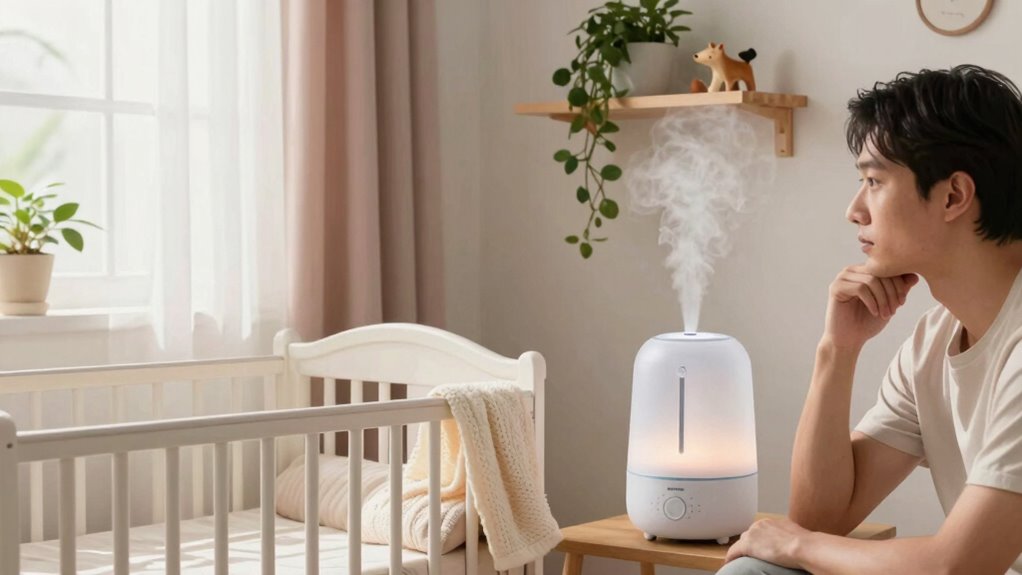
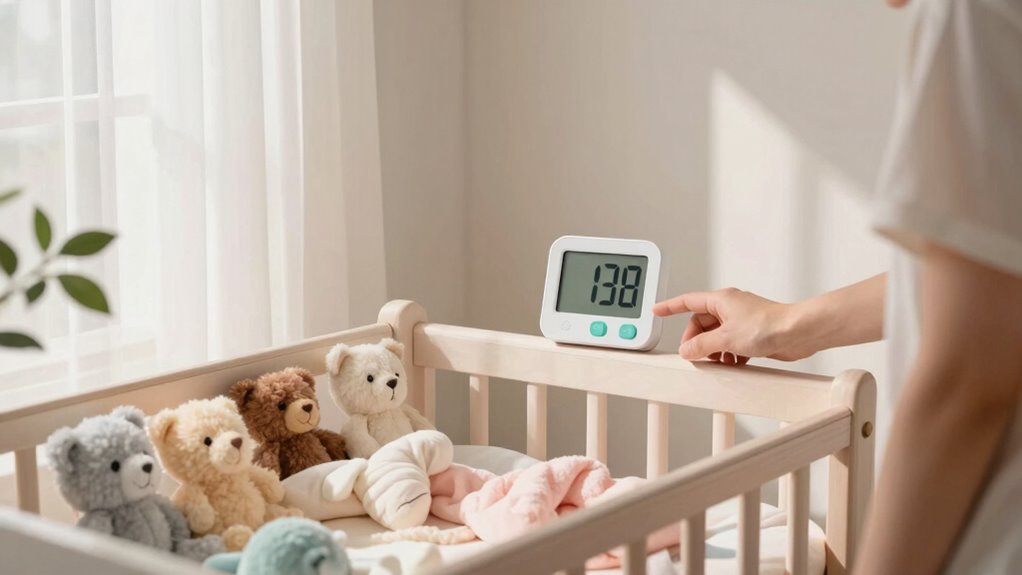
Have you ever wondered if your nursery’s humidity levels are just right for your little one? It’s a common concern among new parents, who want to create the safest, most comfortable environment possible. The truth is, maintaining the perfect humidity isn’t as complicated as it seems, but it does require paying close attention. Many parents fixate on this issue because they want to avoid the problems that come with too dry or too humid air, like dry skin, congestion, or mold growth. That’s why investing in a good humidity monitor can make all the difference. These devices give you real-time readings, so you can adjust your environment as needed, instead of guessing or relying on outdated methods.
Monitoring nursery humidity ensures a safe, comfortable environment for your baby’s health and well-being.
When it comes to selecting bedding and clothing, breathable fabrics become essential. They help regulate your baby’s body temperature and prevent overheating, which is especially important in rooms with fluctuating humidity levels. Cotton, bamboo, and other natural fibers allow air to circulate, reducing the risk of sweat buildup and skin irritation. Using breathable fabrics in your nursery creates a more forgiving environment, even if humidity levels shift unexpectedly. It’s about creating a balance—keeping the air comfortable and ensuring your baby’s skin stays healthy. Additionally, understanding the importance of biodiversity in natural environments can inspire more sustainable choices in nursery materials and cleaning products, promoting a healthier space overall. Being aware of humidity levels and how they influence indoor air quality can further help you maintain a safe environment for your little one. Incorporating air circulation strategies can also improve overall air quality and comfort. Regularly ventilating the nursery by opening windows or using fans can help manage humidity and promote better air quality.
A good understanding of indoor air quality can help you make more informed decisions about your nursery environment. Many parents overthink the specific numbers on humidity levels, but the key is moderation. Ideally, you want the humidity to stay between 40% and 60%. If it dips below, your baby might experience dry skin or nasal congestion; if it climbs too high, mold and dust mites could become a problem. Humidity monitors help you keep an eye on these fluctuations, alerting you when adjustments are necessary. Sometimes, a simple humidifier or dehumidifier can bring things back into balance, but only if you’re aware of the current levels. That’s why relying on a reliable humidity monitor is so critical—they remove guesswork and help you respond swiftly.
Ultimately, the “nursery humidity question” often leads parents to overthink rather than overreact. By focusing on breathable fabrics for bedding and clothing and using a quality humidity monitor, you can create a safe, comfortable space for your little one. Remember, it’s about consistency and awareness rather than perfection. Keep an eye on the readings, adjust as needed, and trust your instincts. Your baby’s comfort and health depend on these small but important steps, and with the right tools and choices, you can make the nursery a cozy, safe haven.
As an affiliate, we earn on qualifying purchases.
Frequently Asked Questions
Can High Humidity Cause Mold in the Nursery?
Yes, high humidity can cause mold in the nursery. To prevent mold, you should focus on mold prevention by maintaining ideal humidity levels. Regular humidity monitoring helps you keep the environment safe and comfortable for your baby. Use a dehumidifier if needed, and ensure proper ventilation. Keeping humidity between 40-60% minimizes mold growth, making your nursery healthier and more secure for your little one.
How Often Should I Check Nursery Humidity Levels?
You should check nursery humidity levels at least once a day to maintain a healthy sleep environment. Use a reliable hygrometer to monitor the moisture, making sure it stays between 40-60%. Regular checks help you adjust humidity levels, protecting nursery decor and your baby’s comfort. Keeping an eye on this prevents issues like mold growth and ensures your little one’s sleep environment remains safe and cozy.
Are Humidifiers Safe for Babies?
You’ll be happy to know that humidifiers can be safe for babies if you follow proper humidifier maintenance. About 90% of parents worry about safety, but choosing a baby-safe humidifier reduces risks like mold or bacteria. Make sure to clean it regularly and use distilled water. When maintained correctly, a humidifier can help ease congestion and dry skin, making your baby more comfortable and safe during sleep.
What’s the Ideal Humidity Range for a Nursery?
The ideal humidity range for a nursery is between 40% and 60%, creating a comfortable baby sleep environment. You should aim for this range to support healthy breathing and prevent dryness that can disturb sleep. When decorating the nursery, choose materials that don’t trap moisture and guarantee good ventilation. Maintaining proper humidity helps your baby sleep soundly and keeps their skin healthy, making your nursery a cozy, safe space.
Can Low Humidity Affect My Baby’s Respiratory Health?
Low humidity can definitely affect your baby’s respiratory health. It can cause airway irritation, making your little one uncomfortable and more prone to coughing. Plus, dry air increases the risk of respiratory infections, since it dries out mucous membranes that normally trap germs. To keep your baby healthy, maintain proper humidity levels in the nursery, ideally between 40-60%, and consider using a humidifier if the air feels dry.
Conclusion
So, next time you’re obsessing over the perfect nursery humidity, remember—sometimes, the biggest worries turn out to be the least important. You could spend hours adjusting the humidity levels, only to realize your baby’s comfort isn’t about the perfect number but the love you pour into creating a cozy space. Ironically, in all your fuss about the ideal environment, it’s your care and attention that truly make the nursery a haven.
Fall yard work Picks
leaf blowers
As an affiliate, we earn on qualifying purchases.