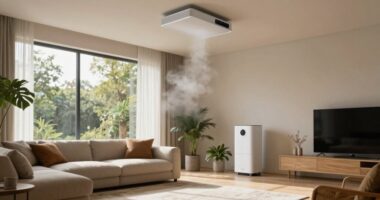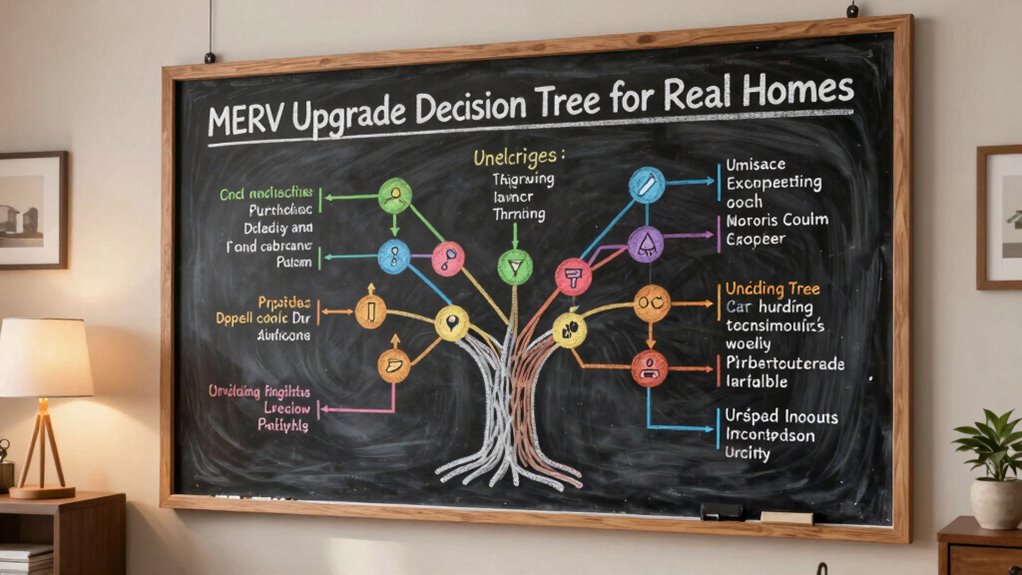

When considering a MERV upgrade for your home, first assess your indoor air quality needs—think about allergens, pets, and health concerns. Check your HVAC system’s capacity and consult a professional to avoid airflow issues. Balance improved filtration with energy use, knowing higher MERV filters can strain your system. Regular maintenance and proper fit are essential. To find the best choice for your home and system, explore the detailed decision factors that follow.

Get garden gear delivered free — and shop member deals
- Fast, free delivery on millions of items
- Access to Prime Big Deal Days deals on October 6–7
- Prime Video, Amazon Music and more included
Key Takeaways
- Assess indoor air quality needs and allergy symptoms to determine if higher MERV filters are necessary.
- Confirm HVAC system compatibility and capacity for higher-rated filters with a professional.
- Balance improved air filtration with potential energy costs and system strain from restrictive filters.
- Ensure proper filter fit and establish a regular maintenance schedule to prevent airflow issues.
- Choose a MERV rating (8-13 or higher) based on health priorities and system limitations for optimal results.
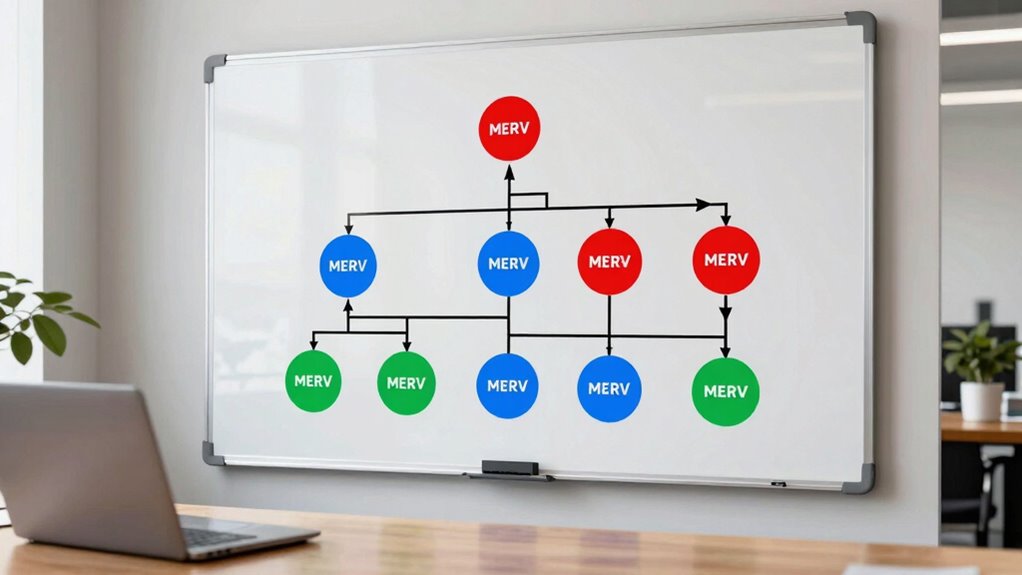
Deciding whether to upgrade your MERV filter can seem complex, but a clear decision tree simplifies the process. Your goal is to balance improving air quality with maintaining energy efficiency, and understanding how different MERV ratings impact these aspects is key. Higher MERV filters trap smaller particles and allergens, which boosts your indoor air quality. If you or someone in your household suffers from allergies, asthma, or other respiratory issues, upgrading to a higher MERV can make a noticeable difference. However, it’s important to recognize that higher-rated filters can also increase resistance to airflow, potentially putting more strain on your HVAC system and reducing energy efficiency if your system isn’t designed to handle them.
Choosing the right MERV filter balances air quality improvements with your HVAC system’s capacity and energy efficiency.
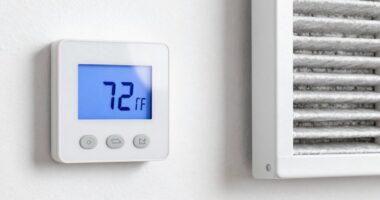
First, assess your current indoor air quality needs. If your home is prone to dust, pollen, pet dander, or mold, and you notice allergy symptoms or respiratory discomfort, a higher MERV rating might be worthwhile. On the other hand, if your air quality is generally good and you’re not experiencing issues, sticking with your current filter or choosing a mid-range MERV might be sufficient. Next, consider your HVAC system’s specifications. Some units are not built to handle filters rated above MERV 13 without risking reduced airflow, increased energy consumption, or damage. Check your manufacturer’s recommendations or consult an HVAC professional to determine the maximum MERV rating your system can support while maintaining *essential* energy efficiency.
Energy efficiency is *vital* because a filter that’s too restrictive can cause your system to work harder, increasing energy costs and reducing lifespan. If upgrading to a higher MERV filter, *verify* your system’s blower motor can handle the added resistance. Otherwise, you might end up saving your air quality at the expense of higher energy bills. Additionally, consider the importance of air filtration effectiveness—higher MERV filters generally provide better removal of smaller particles, which can significantly improve indoor air quality. It’s also helpful to understand that filter maintenance plays a crucial role in ensuring consistent performance and preventing airflow issues. Regularly monitoring your filter’s condition and replacing it when necessary can prevent airflow restrictions, which are common with higher MERV ratings.
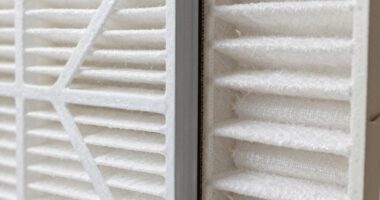
Furthermore, choosing a filter with a proper fit can help maximize airflow and filtration efficiency, reducing the likelihood of airflow restrictions. Also, consider how often you’re willing to replace your filter. Higher MERV filters tend to clog faster, requiring more frequent changes, which can add to maintenance costs but ultimately improve overall indoor air quality.
Finally, weigh your priorities: if you’re mainly concerned with air quality, opt for a MERV 13 or higher, provided your system supports it. If energy efficiency and system longevity are more important, a MERV 8 to 11 might be best. The decision tree involves balancing these factors carefully, *making sure* your home remains both healthy and energy-efficient. By understanding your home’s specific needs and your HVAC system’s capabilities, you can confidently decide whether a MERV upgrade makes sense for you.
As an affiliate, we earn on qualifying purchases.
Frequently Asked Questions
How Often Should I Change My MERV Filter After Upgrading?
After upgrading your MERV filter, you should change it every 60 to 90 days, depending on your household’s air quality and usage. Regularly checking the filter’s condition helps maintain the ideal air filter lifespan and indoor air quality. Follow maintenance tips like inspecting the filter monthly and replacing it sooner if it looks dirty or clogged. Proper upkeep ensures your HVAC system runs efficiently and keeps your home’s air fresh.
Are Higher MERV Ratings Suitable for Allergy-Sensitive Households?
If you’re allergy-sensitive, higher MERV ratings can be a game-changer. For example, a family with severe dust allergies upgraded to a MERV 13 filter, noticing significant relief by effectively removing common allergens. Higher MERV ratings excel at allergen removal, trapping tiny particles like pollen and pet dander. However, make sure your HVAC system can handle the increased airflow resistance to avoid efficiency issues.
Can a MERV Upgrade Improve Indoor Air Quality Immediately?
Yes, a MERV upgrade can improve indoor air quality immediately, especially if your HVAC system is compatible with higher MERV filters. You’ll notice cleaner air faster, but consider air purifier compatibility to boost filtration further. Keep noise level considerations in mind, as higher MERV filters might increase system noise. Choosing the right filter guarantees quick improvement without sacrificing comfort, making your home healthier right away.
What Are the Costs Associated With Upgrading to a Higher MERV Filter?
Upgrading to a higher MERV filter involves costs related to filtration materials and installation. Generally, higher MERV filters are more expensive due to advanced filtration materials that trap smaller particles. You might also face cost implications for compatible HVAC systems, as some systems need adjustments or upgrades to handle increased airflow resistance. While the upfront expense can be higher, the improved air quality often justifies the investment over time.
Will a Higher MERV Filter Affect HVAC System Efficiency?
A higher MERV filter can impact your HVAC system’s efficiency because it may reduce airflow if not compatible. If the filter isn’t compatible, your system has to work harder, increasing energy consumption. To avoid this, check your system’s filter compatibility before upgrading. Properly matched filters help maintain ideal airflow, ensuring your HVAC runs efficiently without unnecessary energy use or strain on the system.
Conclusion
So, next time you’re faced with upgrading your MERV filter, remember this decision tree. It’s almost like the universe nudging you in the right direction—perhaps a sign that cleaner air is just a filter away. Trust your instincts, follow the steps, and you might just find that the perfect filter was waiting for you all along. Sometimes, the best upgrades come when you least expect them, and your home’s air quality is no exception.
Evergreen bestsellers Picks
bestsellers
As an affiliate, we earn on qualifying purchases.