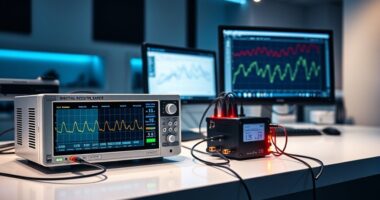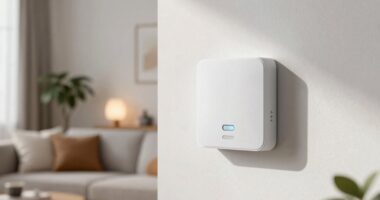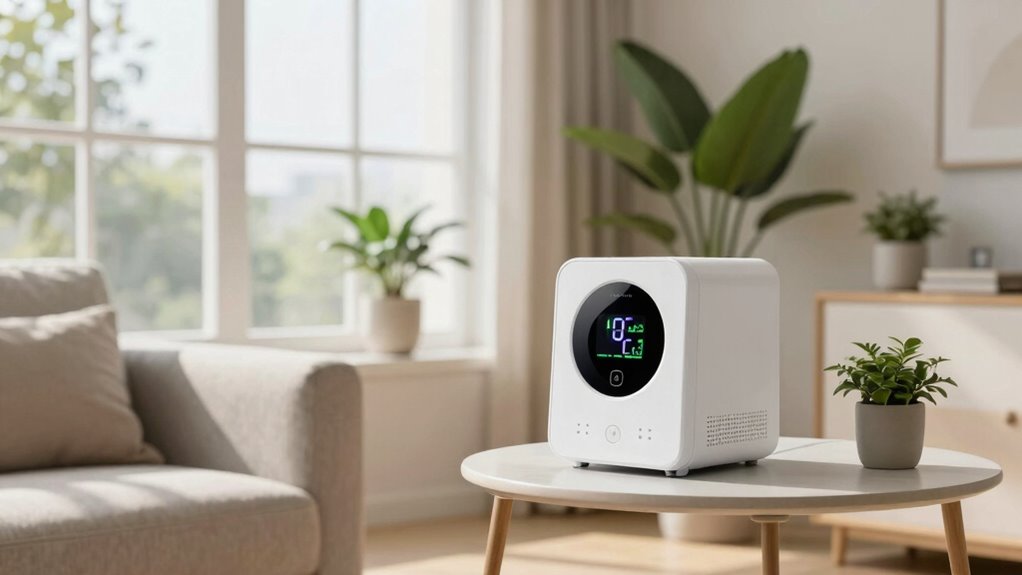

Establishing a one-week indoor air baseline helps you understand your home’s air quality by tracking humidity, pollutants, odors, and airflow often affected by everyday activities. Monitoring these key indicators guarantees you spot issues early and compare results against health standards. Using this data, you can improve ventilation and reduce pollutants effectively. Regularly maintaining this baseline allows you to create a healthier environment long-term. Keep going to discover practical ways to optimize your indoor air quality even further.

Get garden gear delivered free with Prime
- Fast, free delivery on millions of items
- Prime Video, Amazon Music and more included
- Member-only deals all year
Key Takeaways
- Establish a one-week monitoring period to identify typical indoor air quality patterns and fluctuations.
- Track key indicators like humidity, pollutants, odors, and airflow to detect potential issues.
- Compare collected data against health authority standards to ensure indoor safety.
- Use activity-related data to pinpoint sources of pollution and optimize ventilation strategies.
- Maintain ongoing assessments beyond the baseline to sustain a healthy indoor environment.
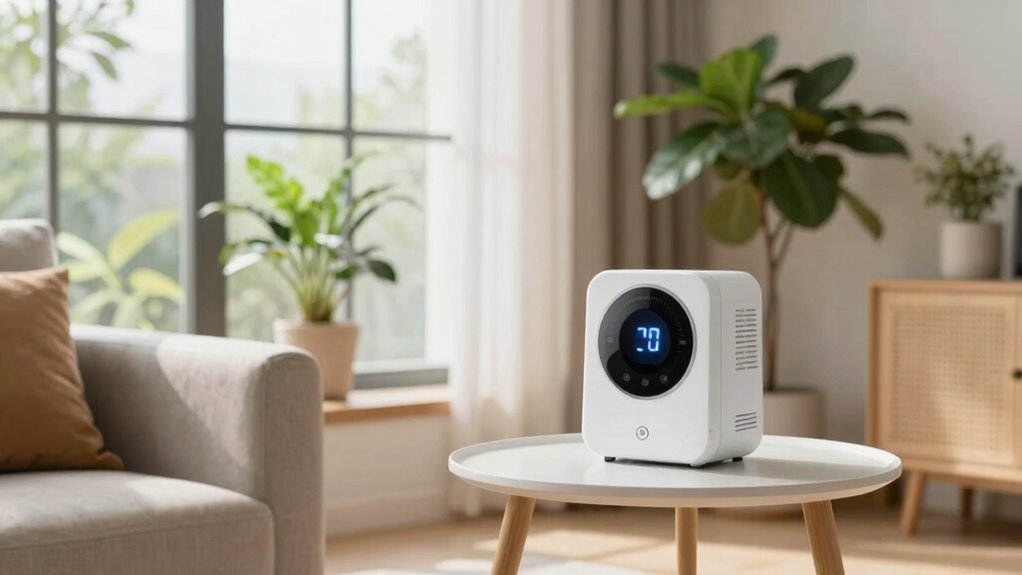
Have you ever wondered what your indoor air quality truly is? It’s easy to overlook, but understanding it can greatly impact your health and comfort. Establishing a one-week indoor air baseline gives you a clear picture of your home’s air quality, helping you identify issues and take targeted actions. This process involves monitoring key indicators like humidity, pollutants, and airflow, so you can see how your indoor environment measures up against air quality standards set by health authorities. These standards serve as a benchmark, ensuring that your air isn’t just passable but safe to breathe. Once you know where your air quality stands, you can explore effective ventilation techniques to improve it. Proper ventilation isn’t just about opening windows; it’s about creating a balanced system that brings in fresh air while removing stale, polluted air. Simple methods like exhaust fans, air purifiers with HEPA filters, and controlled mechanical ventilation can make a considerable difference. During your one-week assessment, pay attention to how often you ventilate and what changes produce noticeable improvements. For example, airing out the house after cooking or cleaning can reduce airborne particles and odors, but consistent strategies like upgraded ventilation systems provide ongoing benefits. Tracking your indoor conditions over seven days helps you recognize patterns—such as increased pollutants during certain activities or times—and adjust your ventilation techniques accordingly. This baseline isn’t just about identifying problems; it’s about creating a sustainable, healthier environment. By understanding your indoor air quality, you empower yourself to make smarter decisions, whether that’s sealing leaks to prevent outdoor pollutants from entering or adding air purification devices where needed. Keeping an eye on humidity levels is equally important because excess moisture fosters mold growth, which can compromise air quality and health. Your one-week monitoring process should include measuring humidity, checking for signs of mold, dust, or odors, and noting the effectiveness of your current ventilation methods. Additionally, understanding indoor air quality standards can help you set realistic goals for improvement. Regularly updating your knowledge about indoor air pollutants is essential because new research continually sheds light on previously overlooked contaminants. Recognizing the sources of indoor pollution can help you identify and eliminate specific contaminants. Recognizing the impact of outdoor air quality on your indoor environment can also guide you in taking appropriate measures to protect your home. Once you have this data, you can implement targeted improvements—such as upgrading filters or adjusting ventilation schedules—to meet or exceed air quality standards. Remember, maintaining good indoor air quality isn’t a one-time task; it’s an ongoing effort that requires regular attention. Starting with a one-week baseline gives you the foundation to create a healthier, more comfortable home environment. By combining an understanding of air quality standards with effective ventilation techniques, you take control of your indoor air quality and ensure it supports your well-being day after day.
HEPA air purifier for indoor air quality
As an affiliate, we earn on qualifying purchases.
As an affiliate, we earn on qualifying purchases.
Frequently Asked Questions
How Often Should I Retake Indoor Air Quality Measurements?
You should retake indoor air quality measurements every six months to guarantee you’re meeting air quality standards. Regular testing helps identify pollution sources that may fluctuate over time, especially if you notice symptoms or changes in your environment. Keep an eye on potential pollution sources like new furniture or appliances, and retake measurements sooner if you suspect increased pollutants. Consistent monitoring helps maintain a healthy indoor environment.
Can I Perform the Test Myself or Need a Professional?
Did you know that over 85% of homeowners successfully perform DIY testing for indoor air quality? You can definitely do the test yourself with reliable kits, saving money and time. However, for complex issues or accurate readings, a professional assessment is recommended. Professionals bring expertise and advanced equipment, ensuring thorough results. So, start with DIY testing, and consider professional help if you notice persistent problems or need detailed analysis.
What Specific Pollutants Should I Be Most Concerned About?
You should be most concerned about VOC levels and particulate matter in your indoor air. High VOC levels, from paints, cleaning products, or furniture, can cause health issues like headaches or respiratory problems. Particulate matter, like dust or smoke, can aggravate allergies and asthma. Regular testing helps you identify these pollutants and take action to improve air quality. Keep an eye on these key pollutants for a healthier home environment.
How Does Indoor Air Quality Impact Overall Health?
Like Pandora’s box, poor indoor air quality can reveal hidden health issues. When you practice air purification and adopt effective ventilation strategies, you reduce pollutants and allergens, protecting your overall health. Clean air helps prevent respiratory problems, allergies, and fatigue, boosting your immune system and mental clarity. You’re the key to creating a healthier environment—by consciously managing indoor air, you safeguard your well-being and that of your loved ones.
Are There Seasonal Variations in Indoor Air Quality Levels?
Yes, there are seasonal fluctuations in indoor air quality levels. You’ll notice pollutant patterns change throughout the year, with increased indoor allergens and mold during humid months and higher pollution from heating sources in winter. These seasonal variations can impact your health, so it’s essential to monitor indoor air quality regularly. Adjusting ventilation and using air purifiers during specific seasons can help maintain healthier indoor environments year-round.
Conclusion
By establishing a one-week indoor air baseline, you gain a clear picture of your home’s invisible environment. It’s like tuning a musical instrument—you can’t improve what you don’t measure. Think of it as protecting your family’s health while enjoying fresh, safe air, instead of unknowingly breathing in hidden hazards. Taking this simple step turns an unseen threat into an easily manageable part of your routine—making your home not just comfortable, but truly healthy.
Fall yard work Picks
leaf blowers
As an affiliate, we earn on qualifying purchases.